
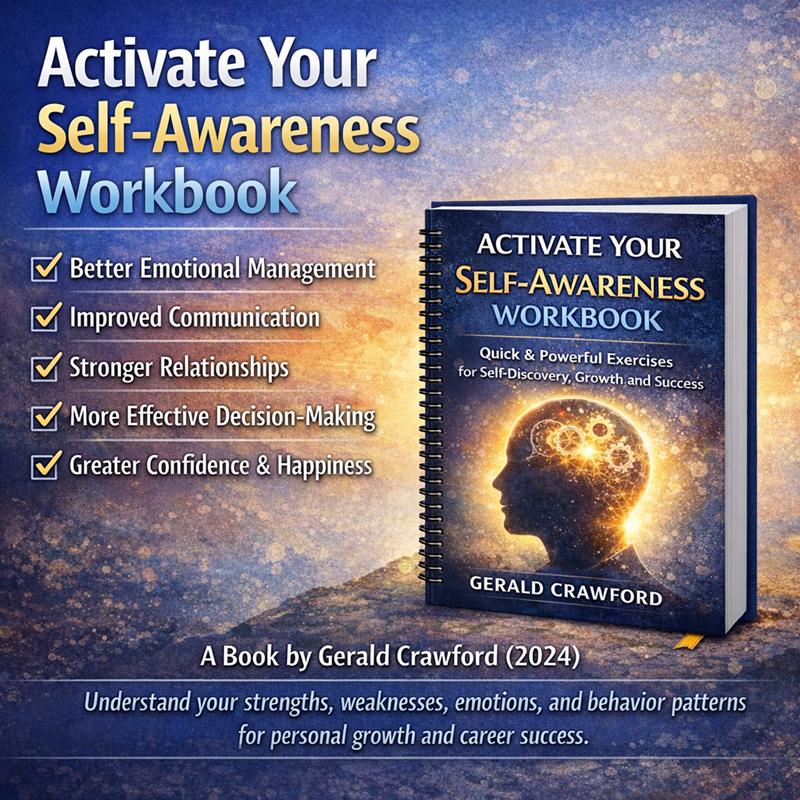
Activating self-awareness leads to better emotional management, improved communication, stronger relationships, more effective decision-making, increased confidence, greater personal happiness, and enhanced career success by helping you understand your strengths, weaknesses, emotions, and patterns of behavior.

Category: Case Study (Page 2 of 8)

Case Study 212: Healing the 3 Generation Wealth Pattern in Family’s with Self-awareness – Real World Building Legacy and Generational Wealth

Case Study 212

Healing the 3-Generation Wealth Pattern with Self-Awareness

A Real-World Model for Building Legacy & Generational Wealth


Understanding the 3-Generation Wealth Reality

Across cultures, a common pattern exists:
  • Generation 1 – The Builder (Sacrifice & Survival)
  • Generation 2 – The Manager (Pressure & Preservation)
  • Generation 3 – The Consumer (Comfort & Confusion)

Research in family business studies consistently shows that wealth erosion is rarely about poor investment strategy. It is about:

  • Emotional disconnection
  • Lack of financial education
  • Undefined family identity
  • Absence of shared purpose

The missing ingredient? Self-awareness.


Real-World Case: The Dlamini Family (Johannesburg, South Africa)

Generation 1 – The Builder (Grandfather)

  • Built a logistics company from nothing.
  • Worked 16-hour days.
  • Operated from survival mindset.
  • Rarely discussed finances openly.

Hidden Belief:
“If I lose money, we lose everything.”


Generation 2 – The Preserver (Son)

  • Inherited the company.
  • Well educated but emotionally distant from father.
  • Felt burdened by expectations.
  • Avoided discussing succession planning.

Hidden Belief:
“I must not fail.”


Generation 3 – The Beneficiary (Grandchildren)

  • Private schooling.
  • Access to luxury lifestyle.
  • No structured financial literacy training.
  • Social comparison pressure.

Hidden Belief:
“Money will always be there.”


The Breaking Point

At age 27, the eldest grandson accumulated significant personal debt despite family wealth.

The business also began declining due to:

  • Poor communication.
  • No succession clarity.
  • Lack of innovation.

The family sought intervention — not financial restructuring first — but psychological restructuring.


The Self-Awareness Intervention Model


Phase 1: Personal Money Story Awareness

Each family member completed:
  • Money timeline exercise
  • Emotional trigger mapping
  • Wealth identity profiling

Breakthrough Discoveries:

  • Gen 1 operated from trauma of childhood poverty.
  • Gen 2 equated wealth with pressure and approval.
  • Gen 3 equated wealth with lifestyle identity.

The family recognized that they were not fighting about money — they were fighting about fear and identity.


Phase 2: Intergenerational Dialogue & Transparency

Facilitated sessions focused on:

  • Sharing sacrifice stories.
  • Clarifying expectations.
  • Defining roles.
  • Transparent financial education.

For the first time:

  • The grandfather explained how many times he almost went bankrupt.
  • The son admitted burnout.
  • The grandson admitted insecurity and lack of direction.

Emotional walls dissolved.


Phase 3: Structural Realignment

Practical actions implemented:
  1. Formal succession plan.
  2. Creation of a family constitution.
  3. Mandatory financial literacy certification before access to trust funds.
  4. Independent board advisors added to company.
  5. Quarterly family governance meetings.

Phase 4: Purpose & Legacy Alignment

The family defined:

Legacy Statement:
“We build wealth to create opportunity, dignity, and impact beyond ourselves.”

They launched:

  • A youth entrepreneurship foundation.
  • A mentorship program within their company.
  • A next-generation innovation lab.

The grandson started a tech logistics division — modernizing the business.


Measurable Results (5-Year Outcome)

  • Business revenue increased by 34%.
  • Personal debt of Gen 3 eliminated.
  • Formal governance structure stabilized assets.
  • Family conflict significantly reduced.
  • Philanthropic foundation operational.
  • Clear succession plan documented.

The Core Insight

Wealth without self-awareness breeds entitlement.
Wealth with self-awareness builds legacy.

Self-awareness enables:

  • Emotional maturity
  • Responsible stewardship
  • Identity formation
  • Vision beyond consumption

The Real-World Generational Wealth Formula

  1. Heal inherited fear.
  2. Develop financial literacy intentionally.
  3. Create governance before crisis.
  4. Tie wealth to purpose, not lifestyle.
  5. Build identity before inheritance access.

Final Reflection

Money transfers assets.
Self-awareness transfers wisdom.

Generational wealth is not built by numbers alone — it is built by conscious leadership across generations.

18 Month Program – Successfully Generational Wealth Saved, Re-shaped, and Re-directed of R400 million in the Dlamini Family with a Self-awareness plan.

Case Study 00171 – 18 Dec 2025 – 30 Questions a Hypnotherapist might ask to Customize a Healing Program to Awakening your Self-Awareness.

Customizing a healing program to increase self-awareness, a hypnotherapist might ask you a series of questions to understand your needs and create a personalized plan.

Here are 30 potential questions they might ask:

1. What motivated you to seek hypnotherapy, Gerald?

2. What are your goals for our sessions together?

3. How do you currently handle stress and difficult emotions?

4. Can you describe a typical day in your life, including your daily habits and routines?

5. How do you think your childhood experiences have shaped your current perspective and behaviors?

6. What are some negative self-thoughts or patterns that you’d like to change?

7. How do you feel about your body and physical health?

8. Are there any specific relationships in your life that you’d like to improve or work on?

9. What are some things that bring you joy and make you feel fulfilled?

10. Can you describe your current sleep patterns and how you feel upon waking?

11. How do you handle challenges or setbacks, and what coping mechanisms do you use?

12. Are there any past traumas or experiences that you feel are still impacting your life?

13. How do you prioritize self-care and make time for activities that nourish your mind, body, and spirit?

14. What are your values and priorities in life, and are they aligning with your current actions and decisions?

15. Can you describe your creative expression and how you bring new ideas into your life?

16. How do you feel about your emotional expression, and are there any emotions that you tend to suppress oravoid?

17. Are there any addictive patterns or behaviors in your life that you’d like to change?

18. Can you describe your relationship with food and how you use it to cope with emotions or stress?

19. How do you feel about your spiritual practice, and are there any spiritual principles or values that guide your life?

20. Are there any physical health issues or concerns that you’d like to address through hypnotherapy?

21. Can you describe your current mindset and attitude towards life, and are there any pessimistic or negative thought patterns that you’d like to shift?

22. How do you handle change or unexpected events, and are you able to adapt easily to new situations?

23. What are some self-care practices that you’ve tried in the past, and what worked or didn’t work for you?

24. Can you describe your support system, including friends, family, or a therapist, and how you reach out for help when you need it?

25. Are there any creative pursuits or hobbies that you’ve been wanting to explore, but haven’t had the time or courage to try?

26. How do you feel about your personal boundaries, and are there any areas where you feel like you’re overextending or people-pleasing?

27. Can you describe your relationship with technology, and are there any ways that you feel like it’s impacting your mental or emotional well-being?

28. Are there any specific fears or phobias that you’d like to work on overcoming?

29. How do you feel about your self-worth and self-identity, and are there any areas where you feel like you’re struggling to find confidence or self-acceptance?

30. What does your ideal future look like, and what steps can you take to start moving in that direction?

These questions can help a hypnotherapist understand your unique needs, challenges, and goals, and create a personalized healing program to support your awakening and growth.

« Older posts Newer posts »

Step-up and get your seat on my VIP Activate Your Self-awareness Mentorship Program for 2026

X
Back a Buddy Show your Support