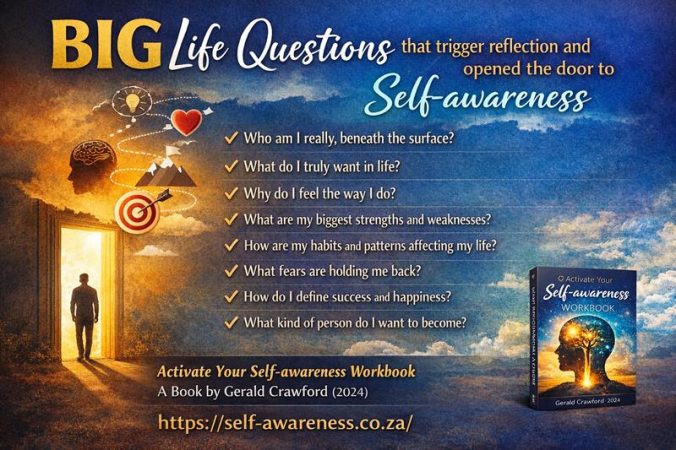
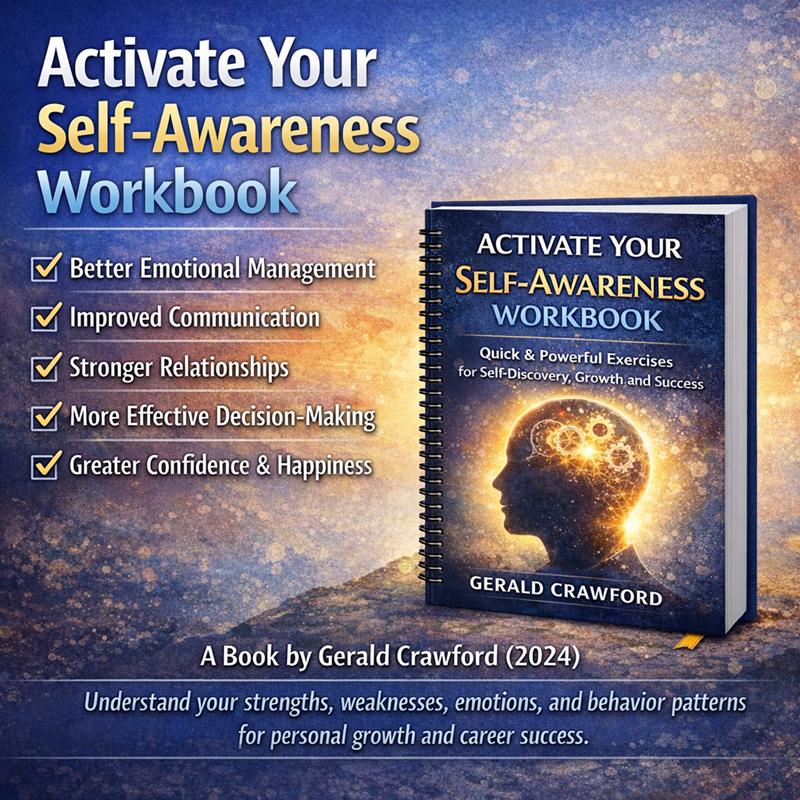
Activating self-awareness leads to better emotional management, improved communication, stronger relationships, more effective decision-making, increased confidence, greater personal happiness, and enhanced career success by helping you understand your strengths, weaknesses, emotions, and patterns of behavior.

Tag: Emotional Intelligence (Page 1 of 2)

BIG Life Questions that Trigger Reflection and Opened the Door to Self-awareness

Questions That Change How You See Yourself


IDENTITY & SELF

  • Who am I… beyond my roles and responsibilities?
  • What parts of myself do I hide from others?
  • Am I being my true self—or who I think I should be?
  • What am I pretending not to know about myself?

THOUGHTS & MINDSET

  • What thoughts do I repeat daily?
  • Are these thoughts helping me—or limiting me?
  • Where did these beliefs come from?
  • If I questioned my thinking, what might I discover?

EMOTIONS & INNER WORLD

  • What am I really feeling right now?
  • What emotion do I avoid the most?
  • What is this feeling trying to teach me?
  • When do I feel most overwhelmed—and why?

PATTERNS & BEHAVIOUR

  • What patterns keep repeating in my life?
  • Where am I stuck—and what am I not seeing?
  • What habits are shaping my current reality?
  • What am I doing that I know is not serving me?

SELF-HONESTY & AWARENESS

  • Where am I not being honest with myself?
  • What am I avoiding facing?
  • What truth about myself am I afraid to accept?
  • What would change if I became fully aware of myself?

RELATIONSHIPS

  • How do I show up in my relationships?
  • Do I react—or respond?
  • What do my relationships reveal about me?
  • Am I communicating clearly—or emotionally reacting?

FEAR & LIMITING BELIEFS

  • What am I afraid of—and why?
  • What belief is holding me back the most?
  • Is this belief true—or just familiar?
  • What would I do if I wasn’t afraid?

GROWTH & CHANGE

  • What part of me is ready to grow?
  • What do I need to let go of to move forward?
  • What is life trying to teach me right now?
  • What would growth look like for me today?

PURPOSE & DIRECTION

  • What gives my life meaning?
  • What kind of person do I want to become?
  • Am I living in alignment with my values?
  • What truly matters to me?

THE DEEPEST QUESTIONS

  • If I fully understood myself… what would change?
  • What would my life look like if I lived consciously?
  • Who am I becoming through my current choices?
  • What is one truth I am ready to face today?

FINAL REFLECTION

“The quality of your life is shaped by the quality of the questions you are willing to ask yourself.”

Develop Emotional Intelligence

Learn to recognize, understand, and manage your own emotions, and practice recognizing and understanding the emotions of others.

Developing emotional intelligence (EI) is a valuable investment in your personal and professional growth. EI refers to the ability to recognize and understand emotions in yourself and others, and to use this awareness to guide thought and behavior. Here are some tips to help you develop emotional intelligence:

Self-Awareness:

1. Recognize your emotions: Take time to identify and label your emotions, and understand how they impact your thoughts and behaviors.

2. Understand your values and motivations: Reflect on your values and motivations, and how they influence your emotions and behaviors.

3. Practice self-reflection: Regularly reflect on your experiences, thoughts, and emotions to gain insight into your emotional patterns and areas for improvement.

Self-Regulation:

1. Develop emotional resilience: Learn to manage stress, anxiety, and other negative emotions in a healthy way, such as through exercise, meditation, or deep breathing.

2. Practice self-control: Develop self-control by setting boundaries, prioritizing tasks, and avoiding impulsive behaviors.

3. Cultivate a positive mindset: Focus on positive emotions, such as gratitude, compassion, and joy, to shift your emotional state and build resilience.

Motivation:

1. Set goals and priorities: Set clear goals and priorities to motivate yourself and focus your efforts.

2. Find meaning and purpose: Discover your passions and values, and align them with your goals and activities.

3. Develop a growth mindset: View challenges and setbacks as opportunities for growth and learning, rather than threats to your ego.

Empathy:

1. Practice active listening: Listen attentively to others, asking open-ended questions and seeking to understand their perspectives.

2. Develop perspective-taking: Try to see things from others’ points of view, and acknowledge their emotions and experiences.

3. Show compassion and understanding: Respond with empathy and kindness, validating others’ feelings and offering support.

Social Skills:

1. Communicate effectively: Develop clear, respectful, and assertive communication skills to build strong relationships.

2. Build strong relationships: Nurture relationships by showing interest, empathy, and support for others.

3. Manage conflict: Learn to navigate conflicts in a constructive way, by staying calm, listening actively, and seeking mutually beneficial solutions.

To develop emotional intelligence, you can try the following exercises:

1. Emotion journaling: Write down your emotions and thoughts throughout the day to gain insight into your emotional patterns.

2. Mindfulness meditation: Practice mindfulness meditation to increase your self-awareness and calm your mind.

3. Role-playing: Practice social skills, such as communication and conflict resolution, through role-playing exercises.

4. Seek feedback: Ask for feedback from trusted friends, family, or colleagues to gain new insights into your emotional intelligence.

By developing emotional intelligence, you’ll become more effective in your personal and professional relationships, and better equipped to navigate life’s challenges with confidence and resilience.

« Older posts

Step-up and get your seat on my VIP Activate Your Self-awareness Mentorship Program for 2026

X
Back a Buddy Show your Support