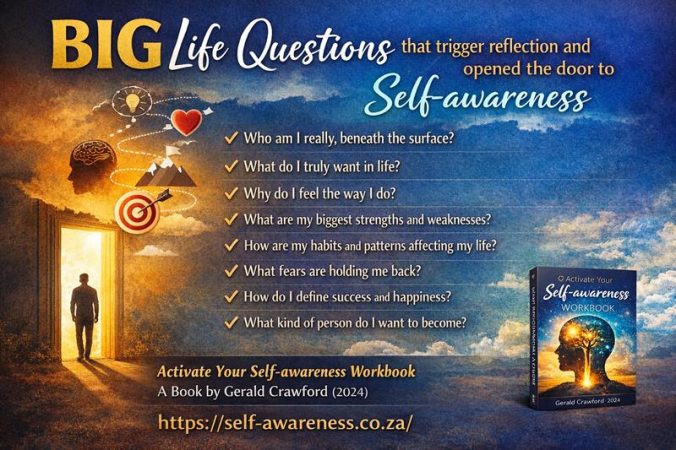
Activating self-awareness leads to better emotional management, improved communication, stronger relationships, more effective decision-making, increased confidence, greater personal happiness, and enhanced career success by helping you understand your strengths, weaknesses, emotions, and patterns of behavior.

Tag: emotional management (Page 1 of 2)

BIG Life Questions that Trigger Reflection and Opened the Door to Self-awareness

Questions That Change How You See Yourself


IDENTITY & SELF

  • Who am I… beyond my roles and responsibilities?
  • What parts of myself do I hide from others?
  • Am I being my true self—or who I think I should be?
  • What am I pretending not to know about myself?

THOUGHTS & MINDSET

  • What thoughts do I repeat daily?
  • Are these thoughts helping me—or limiting me?
  • Where did these beliefs come from?
  • If I questioned my thinking, what might I discover?

EMOTIONS & INNER WORLD

  • What am I really feeling right now?
  • What emotion do I avoid the most?
  • What is this feeling trying to teach me?
  • When do I feel most overwhelmed—and why?

PATTERNS & BEHAVIOUR

  • What patterns keep repeating in my life?
  • Where am I stuck—and what am I not seeing?
  • What habits are shaping my current reality?
  • What am I doing that I know is not serving me?

SELF-HONESTY & AWARENESS

  • Where am I not being honest with myself?
  • What am I avoiding facing?
  • What truth about myself am I afraid to accept?
  • What would change if I became fully aware of myself?

RELATIONSHIPS

  • How do I show up in my relationships?
  • Do I react—or respond?
  • What do my relationships reveal about me?
  • Am I communicating clearly—or emotionally reacting?

FEAR & LIMITING BELIEFS

  • What am I afraid of—and why?
  • What belief is holding me back the most?
  • Is this belief true—or just familiar?
  • What would I do if I wasn’t afraid?

GROWTH & CHANGE

  • What part of me is ready to grow?
  • What do I need to let go of to move forward?
  • What is life trying to teach me right now?
  • What would growth look like for me today?

PURPOSE & DIRECTION

  • What gives my life meaning?
  • What kind of person do I want to become?
  • Am I living in alignment with my values?
  • What truly matters to me?

THE DEEPEST QUESTIONS

  • If I fully understood myself… what would change?
  • What would my life look like if I lived consciously?
  • Who am I becoming through my current choices?
  • What is one truth I am ready to face today?

FINAL REFLECTION

“The quality of your life is shaped by the quality of the questions you are willing to ask yourself.”

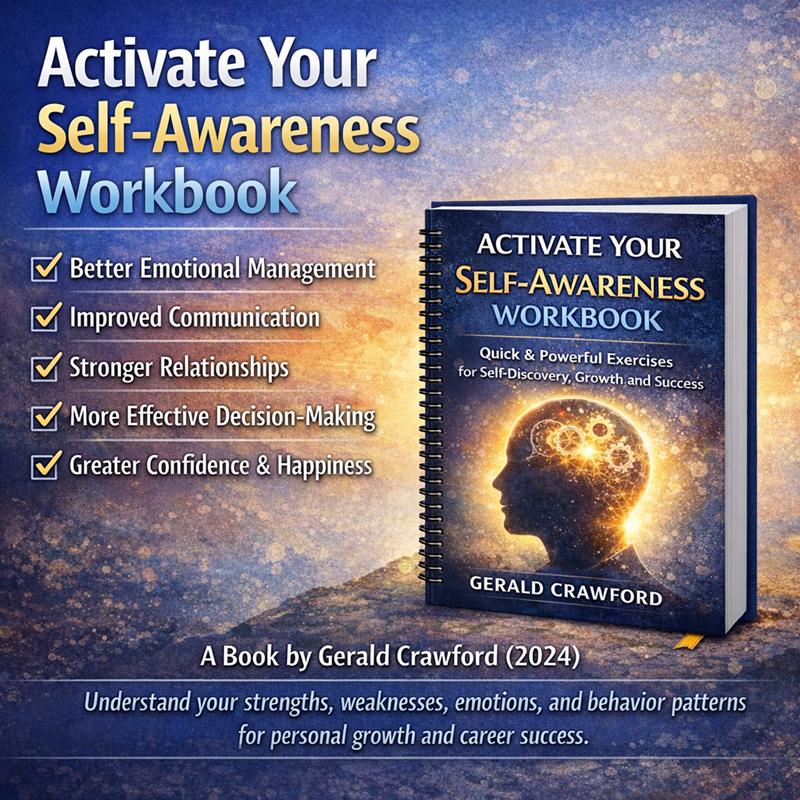
Improve your Emotional Management with Self-awareness.

Emotional management begins with self-awareness. You cannot regulate what you do not recognize. When you become aware of your thoughts, emotional triggers, and internal patterns, you gain the power to respond instead of react.

Here is a clear and practical framework you can use personally or teach in your Emotional Intelligence work:


Recognize Before You React

Most emotional damage happens in the first 90 seconds of reaction.

Practice:

  • Pause.

  • Name the emotion: “I feel frustrated.”

  • Identify the trigger: “I feel ignored.”

Research inspired by emotional intelligence frameworks popularized by Daniel Goleman shows that labeling emotions reduces their intensity.

Key Question:
What am I really feeling beneath this reaction?


Understand the Root, Not Just the Reaction

Every strong emotion carries a story:

  • Anger often hides hurt.

  • Control often hides fear.

  • Withdrawal often hides rejection.

Self-awareness exercise:

  • What belief is driving this emotion?

  • Is this about today — or something older?

Patterns often repeat until they are consciously examined.


Shift from Reaction to Response

Self-aware individuals:

  • Slow down decisions when emotional.

  • Avoid sending messages while triggered.

  • Ask clarifying questions instead of assuming.

Instead of:

“You never listen!”

Try:

“I feel unheard when I’m interrupted.”

This shifts from blame to ownership.


Build Emotional Regulation Habits

Self-awareness must become daily practice.

Daily tools:

  • 5 minutes of mindful breathing

  • Journaling emotional triggers

  • Body scanning (Where do I feel this emotion physically?)

  • Gratitude reflection

The nervous system calms when awareness replaces suppression.


Develop Emotional Accountability

Emotional maturity means:

  • Owning your reactions

  • Apologizing when necessary

  • Repairing quickly

  • Learning from patterns

Self-awareness transforms emotional chaos into emotional leadership.


Emotional Management Formula

Awareness → Pause → Reflection → Choice → Growth

Without awareness, emotions control you.
With awareness, you lead yourself.

« Older posts

Step-up and get your seat on my VIP Activate Your Self-awareness Mentorship Program for 2026

X
Back a Buddy Show your Support