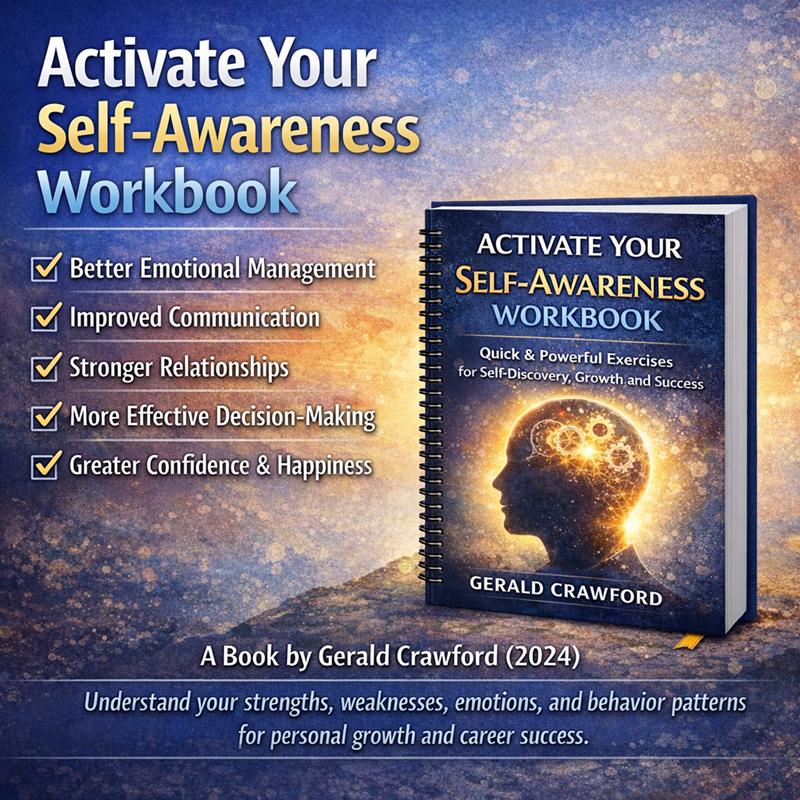
Activating self-awareness leads to better emotional management, improved communication, stronger relationships, more effective decision-making, increased confidence, greater personal happiness, and enhanced career success by helping you understand your strengths, weaknesses, emotions, and patterns of behavior.

Category: Activating Self-awareness (Page 9 of 22)

Chapter 5: Workbook Questions and Answers – Cultivating Self-Love and Self-Acceptance

Here are 10 workbook questions and answers for students about cultivating self-love and self-acceptance:

Q1: What is self-love, and why is it important to cultivate it?

A1: Self-love refers to the practice of accepting, appreciating, and caring for oneself. It is essential to cultivate self-love because it allows you to develop a positive self-image, build confidence, and improve your overall well-being.

Q2: How can you practice self-care and self-compassion to cultivate self-love?

A2: You can practice self-care and self-compassion by engaging in activities that nourish your mind, body, and spirit, such as exercise, meditation, and spending time in nature. Additionally, treating yourself with kindness, understanding, and patience can help you develop a more loving and accepting relationship with yourself.

Q3: What are some common barriers to self-love, and how can you overcome them?

A3: Common barriers to self-love include negative self-talk, self-criticism, and unrealistic expectations. You can overcome these barriers by practicing self-awareness, challenging negative thoughts, and cultivating a growth mindset.

Q4: How can you develop a positive self-image and build confidence?

A4: You can develop a positive self-image and build confidence by focusing on your strengths, accomplishments, and positive qualities. Additionally, practicing self-care, setting realistic goals, and celebrating your successes can help you build confidence and develop a more positive self-image.

Q5: What is the importance of self-acceptance, and how can you cultivate it?

A5: Self-acceptance is essential because it allows you to acknowledge and accept yourself as you are, without judgment or criticism. You can cultivate self-acceptance by practicing mindfulness, letting go of negative self-talk, and focusing on your strengths and positive qualities.

Q6: How can you practice self-forgiveness and let go of self-criticism?

A6: You can practice self-forgiveness and let go of self-criticism by acknowledging your mistakes, taking responsibility for your actions, and treating yourself with kindness and understanding. Additionally, reframing negative self-talk and focusing on your strengths and positive qualities can help you develop a more compassionate and forgiving relationship with yourself.

Q7: What is the role of self-awareness in cultivating self-love and self-acceptance?

A7: Self-awareness is essential in cultivating self-love and self-acceptance because it allows you to understand your thoughts, feelings, and behaviors. By developing self-awareness, you can identify areas for personal growth, challenge negative patterns, and cultivate a more positive and loving relationship with yourself.

Q8: How can you cultivate self-love and self-acceptance in your daily life?

A8: You can cultivate self-love and self-acceptance in your daily life by practicing self-care, setting realistic goals, and treating yourself with kindness and compassion. Additionally, surrounding yourself with positive and supportive people, and engaging in activities that bring you joy and fulfillment, can help you cultivate a more loving and accepting relationship with yourself.

Q9: What are some common challenges to cultivating self-love and self-acceptance, and how can you overcome them?

A9: Common challenges to cultivating self-love and self-acceptance include negative self-talk, self-doubt, and external pressures. You can overcome these challenges by developing self-awareness, challenging negative thoughts, and cultivating a growth mindset. Additionally, practicing self-care, seeking support from others, and focusing on your strengths and positive qualities can help you build resilience and cultivate a more loving and accepting relationship with yourself.

Q10: How can you integrate self-love and self-acceptance into your relationships with others?

A10: You can integrate self-love and self-acceptance into your relationships with others by communicating your needs and boundaries, practicing empathy and understanding, and treating others with kindness and compassion. Additionally, surrounding yourself with positive and supportive people, and setting healthy boundaries, can help you cultivate more loving and accepting relationships with others.

Chapter 4: Workbook Questions and Answers – Recognizing Your Thoughts and Emotions

Here are 10 workbook questions and answers for students about recognizing your thoughts and emotions:

Q1: What is the importance of recognizing your thoughts and emotions, and how can it impact your well-being?

A1: Recognizing your thoughts and emotions is important because it allows you to understand yourself better, manage your emotions, and make informed decisions. This can impact your well-being by reducing stress, improving relationships, and increasing overall happiness.

Q2: How can you become more aware of your thoughts and emotions, and what are some common obstacles to awareness?

A2: You can become more aware of your thoughts and emotions by practicing mindfulness, meditation, and self-reflection. Common obstacles to awareness include distractions, self-criticism, and emotional avoidance. By recognizing these obstacles, you can develop strategies to overcome them and increase your self-awareness.

Q3: What is the difference between thoughts and emotions, and how do they interact with each other?

A3: Thoughts are mental constructs that can be rational or irrational, while emotions are physical and psychological responses to situations. Thoughts and emotions interact with each other in that thoughts can trigger emotions, and emotions can influence thoughts. Understanding this interaction can help you better manage your thoughts and emotions.

Q4: How can you identify and challenge negative thought patterns, and what are some common cognitive distortions?

A4: You can identify and challenge negative thought patterns by becoming more aware of your thoughts, identifying patterns, and reframing negative thoughts in a more positive or realistic light. Common cognitive distortions include all-or-nothing thinking, catastrophizing, and overgeneralizing. By recognizing these distortions, you can challenge them and develop more balanced and realistic thinking.

Q5: What is the role of self-compassion in recognizing and managing your thoughts and emotions?

A5: Self-compassion plays a crucial role in recognizing and managing your thoughts and emotions because it allows you to treat yourself with kindness, understanding, and acceptance. This can help you develop a more positive and supportive relationship with yourself, and reduce self-criticism and emotional distress.

Q6: How can you use journaling or writing to process and understand your thoughts and emotions?

A6: You can use journaling or writing to process and understand your thoughts and emotions by writing down your thoughts, feelings, and insights. This can help you clarify your emotions, identify patterns, and develop a greater understanding of yourself. By reflecting on your writings, you can also identify areas for personal growth and development.

Q7: What is the importance of recognizing and honoring your emotional boundaries, and how can you set healthy boundaries?

A7: Recognizing and honoring your emotional boundaries is important because it allows you to protect your emotional well-being, maintain healthy relationships, and prioritize your needs. You can set healthy boundaries by communicating your needs and limits clearly, being assertive, and prioritizing self-care and self-compassion.

Q8: How can you develop emotional intelligence, and what are some key skills involved?

A8: You can develop emotional intelligence by practicing self-awareness, self-regulation, motivation, empathy, and social skills. Key skills involved include recognizing and understanding your emotions, managing your emotions, and developing effective relationships with others. By developing emotional intelligence, you can improve your personal and professional relationships, and increase your overall well-being.

Q9: What is the role of mindfulness in recognizing and managing your thoughts and emotions, and how can you practice mindfulness?

A9: Mindfulness plays a crucial role in recognizing and managing your thoughts and emotions because it allows you to cultivate a non-judgmental awareness of your experiences. You can practice mindfulness by paying attention to your thoughts, feelings, and sensations, and by engaging in mindfulness meditation, deep breathing, or other mindfulness practices.

Q10: How can you integrate your understanding of your thoughts and emotions into your daily life, and what are some common challenges to integration?

A10: You can integrate your understanding of your thoughts and emotions into your daily life by applying your insights to your relationships, work, and personal growth. Common challenges to integration include old habits, self-doubt, and external pressures. By recognizing these challenges, you can develop strategies to overcome them and live a more authentic, mindful, and emotionally intelligent life.

« Older posts Newer posts »

Step-up and get your seat on my VIP Activate Your Self-awareness Mentorship Program for 2026

X
Back a Buddy Show your Support