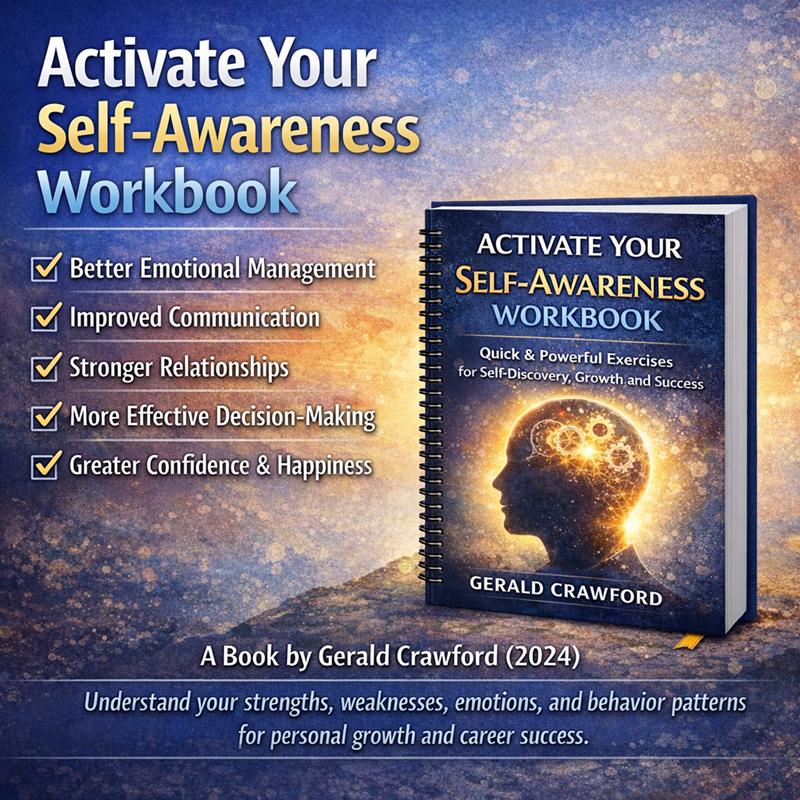
Activating self-awareness leads to better emotional management, improved communication, stronger relationships, more effective decision-making, increased confidence, greater personal happiness, and enhanced career success by helping you understand your strengths, weaknesses, emotions, and patterns of behavior.

Category: Activating Self-awareness (Page 10 of 22)

Chapter 2: Workbook Questions and Answers – Connecting with Your Inner Self

Here are 10 workbook questions and answers for students about connecting with your inner self:

Q1: What is the importance of connecting with your inner self, and how can it benefit your life?

A1: Connecting with your inner self is important because it allows you to develop a deeper understanding of your thoughts, feelings, and desires. This can lead to greater self-awareness, self-acceptance, and self-love, which can benefit your life by improving your relationships, increasing your confidence, and helping you make better decisions.

Q2: How can you create a daily practice to connect with your inner self?

A2: You can create a daily practice to connect with your inner self by setting aside time each day for self-reflection, meditation, or journaling. This can help you tune into your thoughts, feelings, and intuition, and develop a greater sense of self-awareness and self-connection.

Q3: What are some common ways to quiet the mind and connect with your inner self?

A3: Some common ways to quiet the mind and connect with your inner self include meditation, deep breathing, progressive muscle relaxation, and mindfulness. These practices can help calm your mind, reduce distractions, and allow you to tune into your inner voice and intuition.

Q4: How can you use your intuition to make decisions and navigate challenges?

A4: You can use your intuition to make decisions and navigate challenges by tuning into your gut feelings, trusting your instincts, and listening to your inner voice. This can help you make more informed decisions, avoid potential pitfalls, and stay on track with your goals and aspirations.

Q5: What is the role of self-compassion in connecting with your inner self?

A5: Self-compassion plays a vital role in connecting with your inner self because it allows you to treat yourself with kindness, understanding, and acceptance. This can help you develop a more positive and loving relationship with yourself, and cultivate a greater sense of self-awareness, self-acceptance, and self-love.

Q6: How can you develop a greater sense of self-awareness and self-acceptance?

A6: You can develop a greater sense of self-awareness and self-acceptance by practicing self-reflection, self-inquiry, and self-compassion. This can involve journaling, meditation, and seeking feedback from trusted friends and mentors. By cultivating self-awareness and self-acceptance, you can develop a more positive and loving relationship with yourself.

Q7: What is the importance of boundaries in connecting with your inner self?

A7: Boundaries are important in connecting with your inner self because they allow you to establish a sense of separation and distinction between yourself and others. This can help you protect your time, energy, and emotional well-being, and cultivate a greater sense of self-awareness, self-acceptance, and self-love.

Q8: How can you use journaling to connect with your inner self and process your emotions?

A8: You can use journaling to connect with your inner self and process your emotions by writing down your thoughts, feelings, and insights. This can help you clarify your values, goals, and aspirations, and develop a greater sense of self-awareness, self-acceptance, and self-love.

Q9: What is the role of mindfulness in connecting with your inner self?

A9: Mindfulness plays a vital role in connecting with your inner self because it allows you to cultivate a sense of presence, awareness, and acceptance in the present moment. This can help you tune into your thoughts, feelings, and intuition, and develop a greater sense of self-awareness, self-acceptance, and self-love.

Q10: How can you integrate your inner self into your daily life and relationships?

A10: You can integrate your inner self into your daily life and relationships by being more mindful, authentic, and honest with yourself and others. This can involve setting boundaries, expressing your needs and desires, and being more present and engaged in your interactions with others. By integrating your inner self into your daily life, you can develop more meaningful and fulfilling relationships, and live a more authentic and purposeful life.

Chapter 1: Workbook Questions and Answers – Awakening to Self-Awareness

Here are 10 workbook questions and answers for students about awakening to self-awareness:

Q1: What is self-awareness, and why is it important for personal growth?

A1: Self-awareness is the ability to have a conscious understanding of one’s own thoughts, feelings, and behaviors. It is important for personal growth because it allows individuals to recognize their strengths and weaknesses, make informed decisions, and develop a sense of purpose and direction.

Q2: What are some common barriers to self-awareness, and how can they be overcome?

A2: Common barriers to self-awareness include denial, fear, and distractions. These barriers can be overcome by practicing mindfulness, seeking feedback from others, and being willing to confront and learn from one’s mistakes.

Q3: How can self-awareness be developed through mindfulness and meditation?

A3: Mindfulness and meditation can help develop self-awareness by allowing individuals to focus on the present moment, observe their thoughts and emotions, and cultivate a non-judgmental awareness of themselves. Regular mindfulness and meditation practice can help individuals become more aware of their values, intentions, and behaviors.

Q4: What is the role of introspection in developing self-awareness?

A4: Introspection is the process of examining one’s own thoughts, feelings, and behaviors. It plays a crucial role in developing self-awareness by allowing individuals to reflect on their experiences, identify patterns and habits, and gain insights into their motivations and desires.

Q5: How can self-awareness help individuals develop healthier relationships?

A5: Self-awareness can help individuals develop healthier relationships by allowing them to understand their own needs, boundaries, and emotional triggers. It can also help them communicate more effectively, empathize with others, and develop more authentic and meaningful connections.

Q6: What is the connection between self-awareness and emotional intelligence?

A6: Self-awareness is a key component of emotional intelligence, which refers to the ability to recognize and understand emotions in oneself and others. Developing self-awareness can help individuals become more aware of their emotional patterns, manage their emotions more effectively, and develop more empathetic and compassionate relationships.

Q7: How can self-awareness help individuals overcome negative self-talk and self-doubt?

A7: Self-awareness can help individuals overcome negative self-talk and self-doubt by allowing them to recognize and challenge their negative thought patterns, cultivate a more compassionate and supportive inner dialogue, and develop a more realistic and positive self-image.

Q8: What is the role of self-reflection in maintaining self-awareness?

A8: Self-reflection is the process of regularly examining one’s own thoughts, feelings, and behaviors to maintain self-awareness. It involves setting aside time to reflect on one’s experiences, identifying areas for improvement, and making adjustments to one’s behaviors and attitudes.

Q9: How can self-awareness help individuals develop a growth mindset and become more resilient?

A9: Self-awareness can help individuals develop a growth mindset by allowing them to recognize their strengths and weaknesses, take risks, and learn from their mistakes. It can also help them become more resilient by developing coping strategies, managing stress, and maintaining a positive and hopeful outlook in the face of challenges.

Q10: What are some strategies for integrating self-awareness into daily life?

A10: Strategies for integrating self-awareness into daily life include practicing mindfulness and meditation, setting aside time for self-reflection, seeking feedback from others, and being more aware of one’s thoughts, feelings, and behaviors in the present moment. Additionally, individuals can cultivate self-awareness by being more intentional and mindful in their daily activities, and by seeking out new experiences and challenges that promote personal growth and learning.

« Older posts Newer posts »

Step-up and get your seat on my VIP Activate Your Self-awareness Mentorship Program for 2026

X
Back a Buddy Show your Support