Case Study 401: Applying Activate Your Self-awareness Workbook in a Teaching and Education Model
Gerald Crawford (2024)
Student Overview
Name: Liam K. (Pseudonym)
Age: 16
Context: High School Student
Primary Challenges: Lack of focus, low motivation, poor emotional regulation, academic inconsistency
Liam was described by his teachers as intelligent but disengaged. He struggled to stay focused, often procrastinated, and reacted emotionally to academic pressure.
Presenting Problems
- Difficulty concentrating in class
- Low motivation toward schoolwork
- Emotional reactions to feedback and failure
- Inconsistent academic performance
- Negative self-beliefs about ability
Liam shared:
“I try sometimes, but I just lose focus or feel like it’s pointless.”
Educational Model Framework
This case applied Activate Your Self-awareness Workbook within a 4-phase teaching and education model:
1. Awareness (Self-Observation)
- Helping students identify thoughts, emotions, and behaviours
- Increasing awareness of learning patterns and habits
2. Understanding (Emotional & Cognitive Insight)
- Exploring how emotions affect learning
- Identifying beliefs about ability and success
3. Regulation (Emotional & Behavioural Control)
- Teaching strategies to manage emotions and focus
- Developing discipline and consistency
4. Application (Academic Integration)
- Applying awareness to study habits and classroom behaviour
- Building self-directed learning skills
Intervention Process
Phase 1: Awareness Activation
Liam began tracking his daily behaviour and focus levels.
Tools Used:
- Simple daily reflection sheets
- Focus tracking during study sessions
- Emotional check-ins before and after class
Breakthrough:
“I didn’t realize how easily I get distracted until I started noticing it.”
Phase 2: Understanding Learning Patterns
Liam explored how his emotions and beliefs affected his performance.
Discoveries:
- Fear of failure led to avoidance
- Belief: “I’m not good at school”
- Frustration triggered disengagement
Insight:
“I give up before I really try because I think I’ll fail.”
Phase 3: Emotional & Behavioural Regulation
Liam learned strategies to manage focus and emotions.
Practices:
- Breaking tasks into smaller steps
- Pausing and resetting when frustrated
- Using positive self-talk
Shift:
“I can actually get back on track when I lose focus.”
Phase 4: Academic Application
Liam applied self-awareness to his studies.
Actions:
- Setting daily academic goals
- Monitoring progress and focus
- Reflecting on performance
Outcome:
“I feel more in control of how I study and learn.”
Transformation Timeline
Week 1–2: Awareness
Liam recognized distraction and emotional patterns.
Week 3–4: Understanding
He identified beliefs and emotions affecting learning.
Week 5–6: Regulation
He developed tools to manage focus and frustration.
Week 7–8: Application
He applied awareness to improve academic performance.
Outcomes & Results
Academic Improvements
- Increased focus and engagement
- More consistent study habits
- Improved performance in key subjects
Emotional Growth
- Better management of frustration and stress
- Increased confidence in learning ability
Behavioural Changes
- Reduced procrastination
- Greater accountability and discipline
Personal Development
- Stronger self-awareness
- More positive self-beliefs
Student Reflection
“I used to think I just couldn’t focus. Now I know how my mind works—and I can actually change it.”
Key Insight
When students understand how their thoughts and emotions influence learning, they gain the power to improve both performance and confidence.
Conclusion
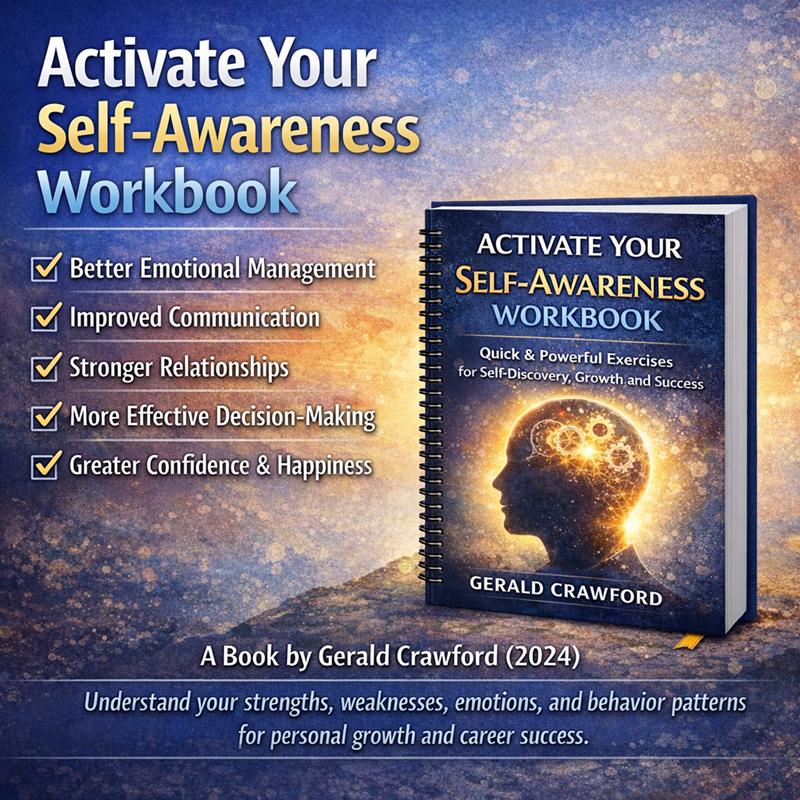
This case study demonstrates how Activate Your Self-awareness Workbook can be effectively integrated into an educational model to support both academic success and personal development.
By developing self-awareness, Liam transitioned from disengagement and self-doubt to focus, confidence, and intentional learning.
Application
This model is highly effective for:
- Schools and educational institutions
- Student coaching and mentoring programs
- Academic performance improvement strategies
- Emotional intelligence development in education
Final Thought:
Education is not just about gaining knowledge—it’s about understanding yourself as a learner.



Leave a Reply