Case Study 502: Applying Activate Your Self-awareness Workbook in a Healing Therapy Model with Hypnotherapy
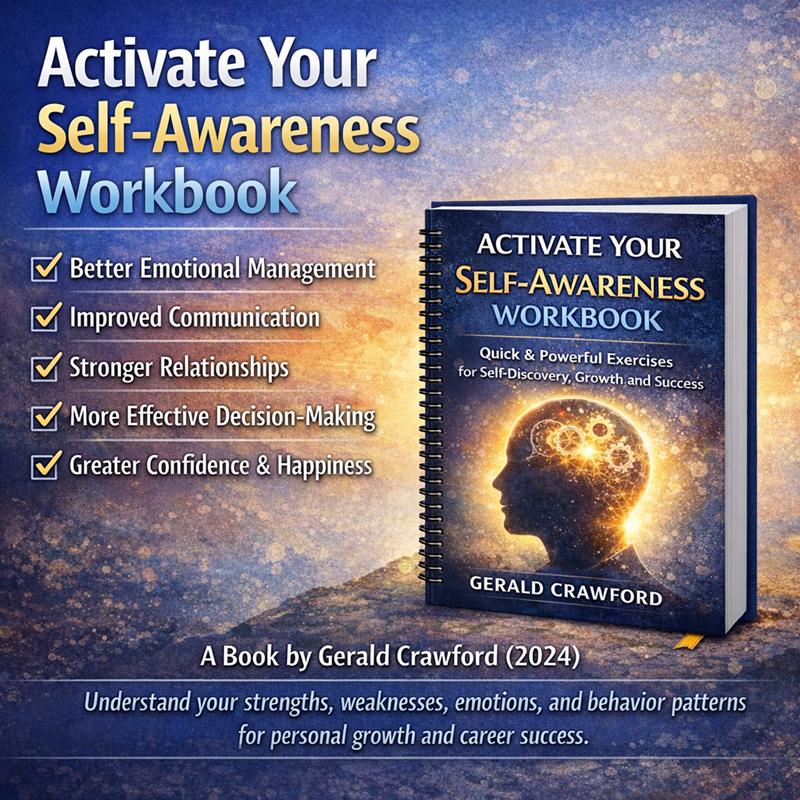
Gerald Crawford (2024)
Client Overview
Name: Mark D. (Pseudonym)
Age: 47
Profession: Sales Director
Primary Challenges: Anger triggers, stress, strained relationships, lack of emotional control, internal frustration
Mark described himself as “high-performing but short-tempered,” often reacting impulsively and later regretting his behaviour.
Presenting Problems
- Frequent anger outbursts
- Low frustration tolerance
- Reactive communication style
- Relationship strain (family and colleagues)
- Underlying stress and emotional pressure
Mark shared:
“I don’t want to react the way I do—but it just happens before I can stop it.”
Therapeutic Model Framework
This case integrates Activate Your Self-awareness Workbook with Hypnotherapy into a 5-phase healing model:
1. Conscious Awareness (Trigger Identification)
- Recognizing emotional triggers and behavioural patterns
- Increasing awareness of reaction cycles
2. Subconscious Exploration (Root Cause Access)
- Identifying early emotional imprints
- Understanding subconscious associations with anger
3. Emotional Release (Hypnotic Processing)
- Releasing stored frustration and unresolved emotions
- Processing past experiences safely
4. Subconscious Reprogramming (Calm Response Installation)
- Embedding calm, controlled responses
- Replacing reactive patterns with intentional behaviour
5. Integration (Conscious Reinforcement)
- Practicing awareness in real-life situations
- Strengthening emotional regulation habits
Intervention Process
Phase 1: Self-Awareness Activation
Mark began identifying his triggers and reactions.
Tools Used:
- Trigger journaling
- Daily reflection exercises
- Behaviour tracking
Breakthrough:
“I noticed my anger isn’t random—it follows a pattern.”
Phase 2: Hypnotherapy – Subconscious Exploration
Through hypnotherapy, Mark accessed deeper emotional roots.
Discoveries:
- Suppressed frustration from past experiences
- Learned behaviour: anger as a form of control
- Belief: “If I don’t react strongly, I won’t be heard”
Insight:
“This isn’t just about now—it’s something I learned long ago.”
Phase 3: Emotional Release
Mark released stored emotional tension through guided sessions.
Process:
- Revisiting key emotional memories
- Releasing anger, frustration, and pressure
Shift:
“I felt a weight lift off me—I didn’t realize how much I was holding in.”
Phase 4: Subconscious Reprogramming
New behavioural patterns were installed during hypnosis.
Old Patterns:
- Immediate emotional reaction
- Anger as default response
New Patterns Installed:
- Pause before reacting
- Calm, controlled communication
- Emotional awareness before action
Phase 5: Integration & Behavioural Change
Mark applied awareness and new responses daily.
Actions:
- Practicing pause techniques
- Conscious communication
- Reflecting after emotional situations
Outcome:
“Now I can feel the trigger—but I don’t have to act on it.”
Transformation Timeline
Week 1–2: Awareness
Mark identified triggers and reaction patterns.
Week 3–4: Subconscious Exploration
He uncovered root causes of anger responses.
Week 5–6: Emotional Release
He released stored frustration and emotional tension.
Week 7–8: Reprogramming
He developed new calm response patterns.
Week 9–10: Integration
He consistently applied emotional control in daily life.
Outcomes & Results
Emotional Transformation
- Reduced anger intensity and frequency
- Increased emotional awareness
Behavioural Changes
- Improved impulse control
- More intentional communication
Relationship Impact
- Stronger, healthier interactions
- Reduced conflict in personal and professional life
Mental State
- Increased calm and clarity
- Reduced internal tension
Client Reflection
“I still feel emotions—but now I understand them. I don’t feel controlled by them anymore.”
Key Insight
Anger is often a surface emotion—self-awareness and subconscious work reveal and transform what lies beneath it.
Conclusion
This case study highlights how integrating Activate Your Self-awareness Workbook with hypnotherapy can effectively transform reactive emotional patterns such as anger.
By combining conscious awareness with subconscious reprogramming, Mark shifted from impulsive reactions to calm, intentional responses—creating lasting change in both his internal state and external relationships.
Application
This integrated model is effective for:
- Anger and emotional regulation challenges
- Relationship and communication improvement
- Stress and pressure management
- Coaching and hypnotherapy practices
Final Thought:
When you understand the root of your emotions and reprogram your responses, you move from reacting to life to responding with awareness and control.



Leave a Reply