Case Study 203: Experiencing More Peace and Calm Through Self-Awareness
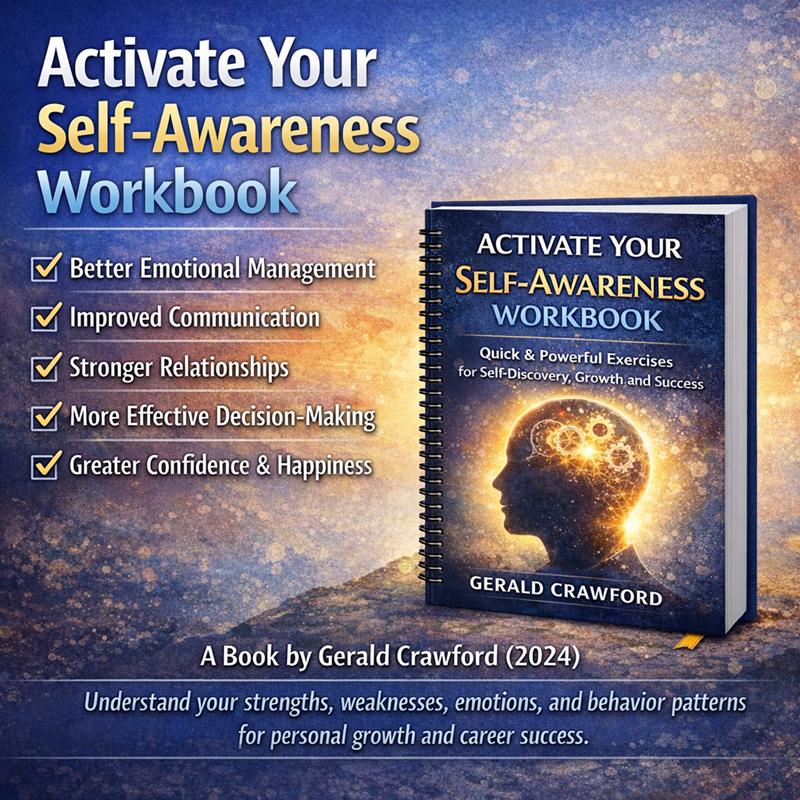
Activate Your Self-awareness Workbook – Gerald Crawford (2024)
Client Overview
Name: Thandi K. (Pseudonym)
Age: 29
Profession: Marketing Specialist
Primary Challenges: Emotional overwhelm, people-pleasing, burnout, anxiety, difficulty setting boundaries
Thandi described herself as someone who was “always there for others,” yet constantly drained and disconnected from herself.
Presenting Problems
- Chronic emotional exhaustion
- Difficulty saying “no”
- Anxiety linked to others’ expectations
- Feeling unappreciated and overwhelmed
- Lack of personal time and inner calm
Thandi shared:
“I give so much to everyone else, but I feel like I’m losing myself.”
Root Cause Exploration
Through guided self-awareness practices, the following patterns emerged:
- People-Pleasing Behaviour: Seeking approval and avoiding conflict
- Weak Boundaries: Difficulty prioritizing personal needs
- External Validation Dependence: Self-worth tied to others’ opinions
- Emotional Overload: Absorbing others’ emotions without processing her own
- Self-Neglect: Ignoring personal needs and well-being
Intervention Approach
Using the framework from Activate Your Self-awareness Workbook, Thandi followed a structured self-development process:
1. Self-Awareness Journaling
- Identifying emotions, triggers, and behaviour patterns
- Tracking situations where she felt overwhelmed
2. Boundary Awareness
- Recognizing when her limits were crossed
- Learning to pause before automatically agreeing
3. Emotional Ownership
- Differentiating between her emotions and others’
- Practicing self-validation
4. Behavioural Shifts
- Saying “no” with clarity and confidence
- Prioritizing personal time and energy
5. Self-Compassion Practices
- Releasing guilt associated with setting boundaries
- Developing a kinder internal dialogue
Transformation Process
Week 1–2: Awareness of Patterns
Thandi began noticing how often she said “yes” out of obligation.
“I didn’t realize how automatic it was—I wasn’t even thinking about my own needs.”
Week 3–4: Emotional Clarity
She identified feelings of resentment and exhaustion beneath her behaviour.
“I was giving, but I wasn’t okay inside.”
Week 5–6: Boundary Implementation
Thandi started setting small boundaries and expressing her needs.
“The first time I said ‘no,’ I felt guilty—but also relieved.”
Week 7–8: Inner Calm & Balance
She began experiencing more peace and emotional stability.
“I feel lighter. I have space to breathe and be myself again.”
Outcomes & Results
Emotional Changes
- Reduced anxiety and emotional overwhelm
- Increased sense of calm and inner balance
Behavioural Growth
- Ability to set and maintain healthy boundaries
- More intentional decision-making
Self-Worth & Confidence
- Stronger sense of self
- Reduced dependence on external validation
Lifestyle Improvements
- Better energy management
- More personal time and self-care
Client Reflection
“I thought being there for others meant losing myself. Now I understand that taking care of myself allows me to show up with peace and authenticity.”
Key Insight
True peace comes from honoring your own needs, not just meeting the expectations of others.
Conclusion
Thandi’s journey demonstrates how self-awareness can transform patterns of people-pleasing and emotional exhaustion into a life of balance, clarity, and calm. By understanding her emotions, behaviours, and boundaries, she reclaimed her energy and inner peace.
Application
This case study can be used for:
- Coaching programs focused on boundaries and self-worth
- Emotional intelligence training
- Burnout recovery frameworks
- Personal development workshops
Final Thought:
When you stop abandoning yourself to please others and begin listening to your inner voice, peace naturally follows.



Leave a Reply