Case Study 201: Experiencing More Peace and Calm Through Self-Awareness
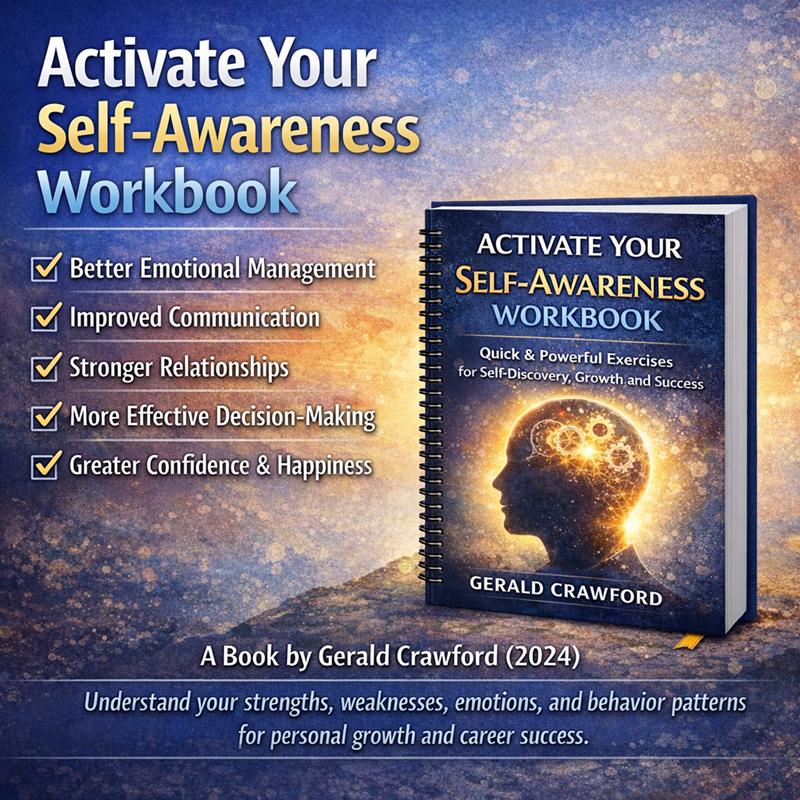
Activate Your Self-awareness Workbook – Gerald Crawford (2024)
Client Overview
Name: Sarah M. (Pseudonym)
Age: 38
Profession: Corporate Project Manager
Primary Challenges: Chronic stress, anxiety, overthinking, emotional reactivity, difficulty switching off after work
Sarah described her life as “constantly switched on.” Despite professional success, she experienced ongoing mental fatigue, emotional overwhelm, and a lack of inner peace.
Presenting Problems
- Persistent stress and anxiety
- Difficulty relaxing or being present
- Overthinking and mental exhaustion
- Reactive emotional responses
- Poor work-life balance
Sarah reported:
“Even when everything is going well, I feel uneasy—like I can’t fully relax.”
Root Cause Exploration
Through guided reflection and self-awareness practices, the following patterns were identified:
- Internal Pressure: A deep belief that she must always perform and achieve
- Unconscious Habits: Living on autopilot without emotional check-ins
- Emotional Suppression: Avoiding uncomfortable emotions, leading to buildup
- Mental Overactivity: Constant thinking, planning, and worrying
- Lack of Presence: Rarely engaging fully in the present moment
Intervention Approach
Using principles from Activate Your Self-awareness Workbook, Sarah engaged in a structured self-awareness process:
1. Daily Emotional Check-Ins
- Identifying and naming emotions
- Tracking triggers and responses
2. Awareness of Thought Patterns
- Recognizing overthinking loops
- Challenging limiting beliefs
3. Mindfulness & Presence Practices
- 5–10 minutes of daily stillness
- Practicing conscious breathing
4. Behavioural Awareness
- Noticing reactive patterns
- Choosing intentional responses
5. Reflection Journaling
- Daily morning and evening reflections
- Weekly pattern recognition
Transformation Process
Week 1–2: Awareness Begins
Sarah became aware of how often her mind was racing.
“I didn’t realize how busy my thoughts were until I started paying attention.”
Week 3–4: Emotional Understanding
She began identifying emotions rather than suppressing them.
“I noticed I wasn’t just stressed—I was anxious and afraid of failing.”
Week 5–6: Conscious Shifts
Sarah started pausing before reacting and choosing calmer responses.
“I caught myself before reacting—and that changed everything.”
Week 7–8: Inner Calm Emerges
She reported moments of stillness and peace.
“For the first time in years, I felt calm without needing everything to be perfect.”
Outcomes & Results
Emotional Improvements
- Reduced anxiety and stress levels
- Increased emotional stability
- Greater sense of inner calm
Mental Clarity
- Less overthinking
- Improved focus and decision-making
Behavioural Changes
- More intentional responses
- Healthier daily routines
Lifestyle Impact
- Better work-life balance
- Increased presence in daily life
Client Reflection
“Self-awareness didn’t remove my responsibilities—it changed how I experience them. I’m calmer, more present, and finally feel at peace within myself.”
Key Insight
Peace and calm are not created by controlling external circumstances, but by understanding and managing your internal world.
Conclusion
This case study demonstrates that developing self-awareness allows individuals to move from a state of constant mental noise and emotional reactivity to one of clarity, calm, and conscious living.
Through consistent reflection and awareness practices, Sarah shifted from living on autopilot to living with intention—unlocking a deeper sense of peace that was always within her.
Application
This case study can be used for:
- Coaching and therapy frameworks
- Workshop examples
- Book or workbook integration
- Client transformation storytelling
Final Thought:
When you become aware of your thoughts, emotions, and patterns, you no longer chase peace—you begin to live it.



Leave a Reply