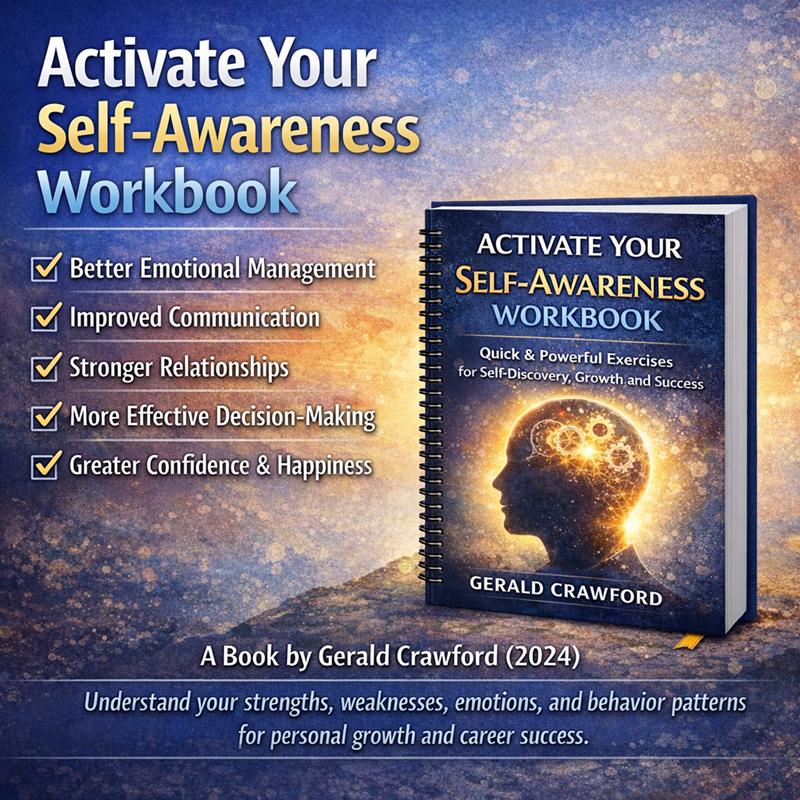
Activating self-awareness leads to better emotional management, improved communication, stronger relationships, more effective decision-making, increased confidence, greater personal happiness, and enhanced career success by helping you understand your strengths, weaknesses, emotions, and patterns of behavior.

Category: Recognizing Your Thoughts and Emotions (Page 2 of 2)

Recognizing Your Thoughts and Emotions – Practicing mindfulness and self-reflection to recognize thought patterns and emotions

Practicing mindfulness and self-reflection is a powerful way to recognize your thought patterns and emotions. By becoming more aware of your thoughts and emotions, you can gain a deeper understanding of yourself and make positive changes in your life.

What is Mindfulness?

Mindfulness is the practice of being present in the moment, paying attention to your thoughts, feelings, and sensations without judgment. It’s about cultivating awareness of your inner experience, and learning to observe your thoughts and emotions without getting caught up in them.

Benefits of Mindfulness

Mindfulness has many benefits, including:

1. Reduced stress and anxiety: Mindfulness can help you calm your mind and body, reducing stress and anxiety.

2. Improved emotional regulation: Mindfulness can help you become more aware of your emotions, and learn to manage them in a healthier way.

3. Increased self-awareness: Mindfulness can help you develop a greater understanding of yourself, including your values, goals, and motivations.

4. Improved relationships: Mindfulness can help you become more empathetic and compassionate, leading to stronger, more meaningful relationships.

5. Increased productivity: Mindfulness can help you stay focused and present, leading to greater productivity and efficiency.

How to Practice Mindfulness

Here are some tips for practicing mindfulness:

1. Start small: Begin with short periods of mindfulness practice, such as 5-10 minutes a day, and gradually increase as you become more comfortable with the practice.

2. Focus on your breath: Bring your attention to your breath, noticing the sensation of the air moving in and out of your body.

3. Use a mindful posture: Sit comfortably with your back straight, feet planted firmly on the ground, and hands placed gently on your lap.

4. Notice your thoughts and emotions: Allow yourself to become aware of your thoughts and emotions, without judgment or attachment.

5. Practice mindfulness in daily activities: Bring mindfulness into your daily activities, such as eating, walking, or showering, by paying attention to your senses and the present moment.

Self-Reflection

Self-reflection is the process of examining your own thoughts, feelings, and behaviors, in order to gain a deeper understanding of yourself. It’s an essential tool for personal growth and development, and can help you:

1. Identify patterns and habits: Become more aware of your thought patterns, emotional tendencies, and behavioral habits.

2. Develop self-awareness: Gain a deeper understanding of your values, goals, and motivations.

3. Make positive changes: Use self-reflection to identify areas for improvement, and make positive changes in your life.

How to Practice Self-Reflection

Here are some tips for practicing self-reflection:

1. Schedule time for self-reflection: Set aside time each day or week to reflect on your thoughts, feelings, and experiences.

2. Use a journal: Write down your thoughts, feelings, and insights, in order to process and reflect on your experiences.

3. Ask yourself questions: Ask yourself questions like “What am I grateful for?” “What am I proud of?” “What can I improve on?”

4. Practice self-compassion: Treat yourself with kindness and compassion, just as you would a close friend.

5. Seek feedback from others: Ask for feedback from trusted friends, family, or mentors, in order to gain new insights and perspectives.

Recognizing Thought Patterns and Emotions

By practicing mindfulness and self-reflection, you can become more aware of your thought patterns and emotions. Here are some common thought patterns and emotions to look out for:

1. Negative self-talk: Pay attention to critical or negative self-talk, and challenge these thoughts by reframing them in a more positive and realistic way.

2. Anxiety and worry: Notice when you are feeling anxious or worried, and take steps to calm your mind and body, such as deep breathing or physical exercise.

3. Emotional reactivity: Become aware of your emotional responses to situations, and take time to reflect on your feelings before reacting.

4. Limiting beliefs: Identify any limiting beliefs or thought patterns that may be holding you back, and challenge these thoughts by seeking out new information and perspectives.

5. Gratitude and appreciation: Cultivate a sense of gratitude and appreciation for the good things in your life, and focus on the present moment.

I hope this helps. Remember, practicing mindfulness and self-reflection is a journey, and it may take time and patience to develop greater awareness and understanding of yourself. But with consistent practice, you can gain a deeper understanding of your thought patterns and emotions, and make positive changes in your life.

Now, I’d like to ask you some questions to help you further explore your thoughts and emotions. What are some common thought patterns or emotions that you’ve noticed in yourself? How do you think these thought patterns or emotions impact your life and relationships? What practices or techniques do you find most helpful in managing your thoughts and emotions?

Recognizing Your Thoughts and Emotions – Understanding the impact of thoughts and emotions on spiritual growth

Recognizing your thoughts and emotions is a crucial step in spiritual growth. Your thoughts and emotions have a significant impact on your spiritual journey, and understanding how to manage them can help you navigate challenges and achieve growth.

The Impact of Thoughts on Spiritual Growth

Your thoughts have the power to either support or hinder your spiritual growth. Negative thoughts can lead to feelings of doubt, fear, and anxiety, which can block your spiritual progress. On the other hand, positive thoughts can foster a sense of joy, love, and compassion, which can propel your spiritual growth.

Here are some ways in which thoughts can impact spiritual growth:

1. Focus and intention: Your thoughts can help you focus your intentions and stay on track with your spiritual goals.

2. Mindset and attitude: Your thoughts can shape your mindset and attitude towards spiritual growth, influencing your willingness to learn and grow.

3. Emotional responses: Your thoughts can trigger emotional responses, such as fear, anger, or sadness, which can affect your spiritual well-being.

4. Self-talk and self-perception: Your thoughts can influence your self-talk and self-perception, shaping your sense of identity and self-worth.

The Impact of Emotions on Spiritual Growth

Your emotions play a significant role in your spiritual growth, as they can influence your thoughts, actions, and decisions. Emotions such as love, compassion, and gratitude can foster a sense of connection and unity, while emotions like fear, anger, and sadness can create separation and disconnection.

Here are some ways in which emotions can impact spiritual growth:

1. Energy and vibration: Your emotions can affect your energy and vibration, influencing your ability to connect with higher states of consciousness.

2. Heart-centered awareness: Your emotions can guide your heart-centered awareness, helping you navigate spiritual decisions and choices.

3. Emotional intelligence: Your emotions can help you develop emotional intelligence, allowing you to recognize and manage your emotions in a way that supports spiritual growth.

4. Spiritual practices: Your emotions can influence your spiritual practices, such as meditation, prayer, or rituals, and help you connect with your spiritual self.

Recognizing and Managing Thoughts and Emotions

To recognize and manage your thoughts and emotions, you can try the following:

1. Mindfulness and self-reflection: Practice mindfulness and self-reflection to become more aware of your thoughts and emotions.

2. Journaling and writing: Write down your thoughts and emotions to process and release them.

3. Meditation and prayer: Use meditation and prayer to calm your mind and connect with your spiritual self.

4. Grounding techniques: Use grounding techniques, such as deep breathing or walking, to center yourself and manage overwhelming emotions.

5. Seeking support: Seek support from spiritual teachers, mentors, or like-minded individuals to help you navigate your spiritual journey.

Cultivating Positive Thoughts and Emotions

To cultivate positive thoughts and emotions, you can try the following:

1. Gratitude practice: Practice gratitude by focusing on the things you are thankful for.

2. Loving-kindness meditation: Practice loving-kindness meditation to cultivate love and compassion towards yourself and others.

3. Positive affirmations: Use positive affirmations to reprogram your mind with positive thoughts and emotions.

4. Connect with nature: Connect with nature to feel a sense of awe and wonder, and to cultivate a sense of oneness with the universe.

5. Spiritual community: Connect with a spiritual community to feel supported and guided on your spiritual journey.

I hope this helps. Remember, recognizing and managing your thoughts and emotions is a journey, and it may take time and practice to develop awareness and mastery. But with patience, self-reflection, and spiritual practices, you can cultivate a positive and supportive inner environment that fosters spiritual growth and awakening.

Now, I’d like to ask you some questions to help you further explore your thoughts and emotions. What are some common thoughts and emotions that you experience on your spiritual journey? How do you think your thoughts and emotions impact your spiritual growth? What practices or techniques do you find most helpful in managing your thoughts and emotions?

Newer posts »

Step-up and get your seat on my VIP Activate Your Self-awareness Mentorship Program for 2026

X
Back a Buddy Show your Support