
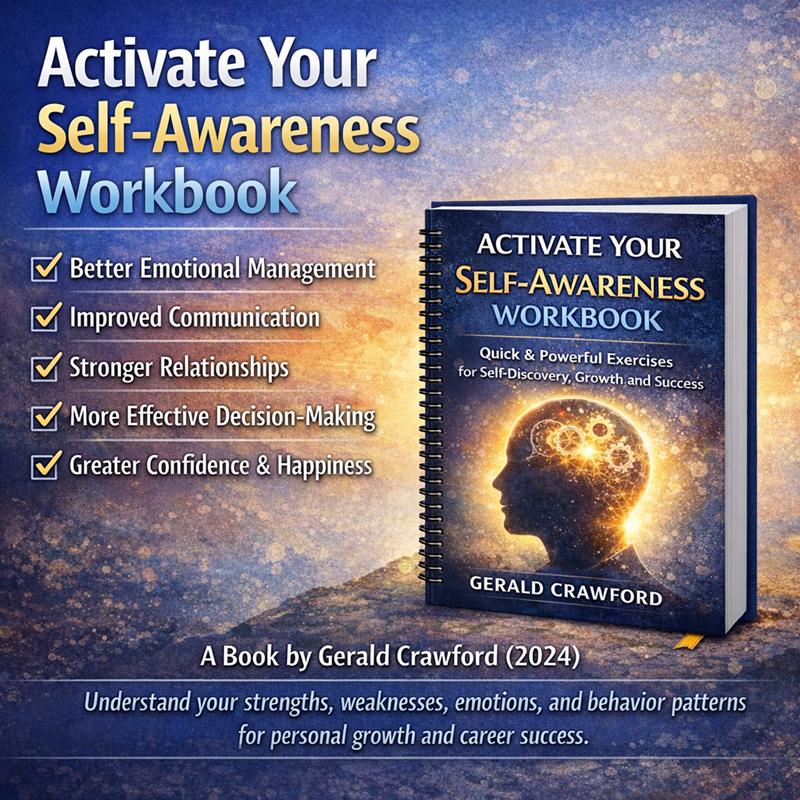
Activating self-awareness leads to better emotional management, improved communication, stronger relationships, more effective decision-making, increased confidence, greater personal happiness, and enhanced career success by helping you understand your strengths, weaknesses, emotions, and patterns of behavior.

Category: Empathy (Page 3 of 3)

Practice Mindfulness and Self-reflection

Regularly take time to reflect on your thoughts, feelings, and experiences.

Mindfulness and self-reflection are powerful practices that can help you cultivate a deeper understanding of yourself and the world around you. Here are some tips to help you get started:

Mindfulness:

1. Start small: Begin with short periods of mindfulness practice, such as 5-10 minutes a day, and gradually increase the duration as you become more comfortable with the practice.

2. Focus on your breath: Bring your attention to your breath, noticing the sensation of the air entering and leaving your nostrils. When your mind wanders, gently bring it back to your breath.

3. Pay attention to your body: Notice any sensations, feelings, or thoughts in your body without judgment. Allow yourself to settle into a state of relaxation and calm.

4. Use guided meditations: Listen to guided meditations to help you get started and stay focused.

5. Practice mindfulness in daily activities: Bring mindfulness into your daily routine by paying attention to your thoughts, feelings, and sensations while you’re eating, walking, or doing other everyday activities.

Self-Reflection:

1. Schedule time for self-reflection: Set aside a specific time each day or week to reflect on your thoughts, feelings, and experiences.

2. Ask yourself questions: Ask yourself questions like “What did I learn today?”, “What am I grateful for?”, “What can I improve on?”, and “What are my goals and aspirations?”

3. Keep a journal: Write down your thoughts, feelings, and insights to help you process and reflect on your experiences.

4. Practice self-compassion: Treat yourself with kindness, understanding, and patience, just as you would a close friend.

5. Seek feedback from others: Ask for feedback from trusted friends, family, or mentors to gain new insights and perspectives on yourself and your life.

Tips for Combining Mindfulness and Self-Reflection:

1. Start with mindfulness: Begin your self-reflection practice with a mindfulness exercise to calm your mind and focus your attention.

2. Use prompts: Use prompts or questions to guide your self-reflection, such as “What are my values and goals?”, “What am I proud of?”, or “What challenges am I facing?”

3. Explore your emotions: Pay attention to your emotions and explore their underlying causes and meanings.

4. Identify patterns and themes: Look for patterns and themes in your thoughts, feelings, and behaviors to gain a deeper understanding of yourself.

5. Take action: Use your insights and reflections to inform your actions and decisions, and make positive changes in your life.

Remember, mindfulness and self-reflection are practices that take time and patience to develop. Be gentle with yourself, and don’t be afraid to seek guidance or support when you need it.

Connection between Self-awareness and Empathy

The connection between self-awareness and empathy is profound and interdependent. Both are essential components of emotional intelligence, and they influence each other in a positive feedback loop.

Self-Awareness:

Self-awareness refers to the ability to have a clear and honest understanding of one’s own thoughts, feelings, values, and behaviors. It involves recognizing your strengths, weaknesses, emotions, and motivations, and being able to reflect on your experiences and learn from them.

Empathy:

Empathy is the ability to understand and share the feelings of others. It involves being able to put yourself in someone else’s shoes, understand their perspective, and connect with their emotions. Empathy is essential for building strong relationships, communicating effectively, and navigating complex social situations.

The Connection between Self-Awareness and Empathy:

The connection between self-awareness and empathy is rooted in the idea that you can’t truly understand others until you understand yourself. Here are some ways in which self-awareness and empathy are connected:

1. Self-reflection enables perspective-taking: When you have a good understanding of your own thoughts, feelings, and biases, you’re better able to consider alternative perspectives and empathize with others.

2. Emotional regulation facilitates empathy: Self-awareness helps you manage your own emotions, which is essential for being able to connect with and understand the emotions of others.

3. Understanding your own values and motivations informs your understanding of others: When you’re aware of your own values and motivations, you’re better able to understand and appreciate the values and motivations of others.

4. Self-awareness reduces projection and increases understanding: When you’re aware of your own thoughts and feelings, you’re less likely to project them onto others, and more likely to understand and empathize with their unique experiences and perspectives.

5. Empathy enhances self-awareness: The more you practice empathy, the more you’ll learn about yourself and others, which can increase your self-awareness and help you develop a more nuanced understanding of your own thoughts, feelings, and behaviors.

Developing Self-Awareness and Empathy:

To develop self-awareness and empathy, try the following strategies:

1. Practice mindfulness and self-reflection: Regularly take time to reflect on your thoughts, feelings, and experiences.

2. Engage in active listening: Listen carefully to others, ask open-ended questions, and seek to understand their perspectives.

3. Seek feedback and learn from others: Ask for feedback from trusted friends, family, or mentors, and be open to learning from their experiences and perspectives.

4. Develop emotional intelligence: Learn to recognize, understand, and manage your own emotions, and practice recognizing and understanding the emotions of others.

5. Cultivate a growth mindset: View challenges and setbacks as opportunities for growth and learning, and be open to new experiences and perspectives.

By developing self-awareness and empathy, you’ll become a more effective communicator, a more compassionate friend and partner, and a more thoughtful and engaged member of your community.

Newer posts »

Step-up and get your seat on my VIP Activate Your Self-awareness Mentorship Program for 2026

X
Back a Buddy Show your Support