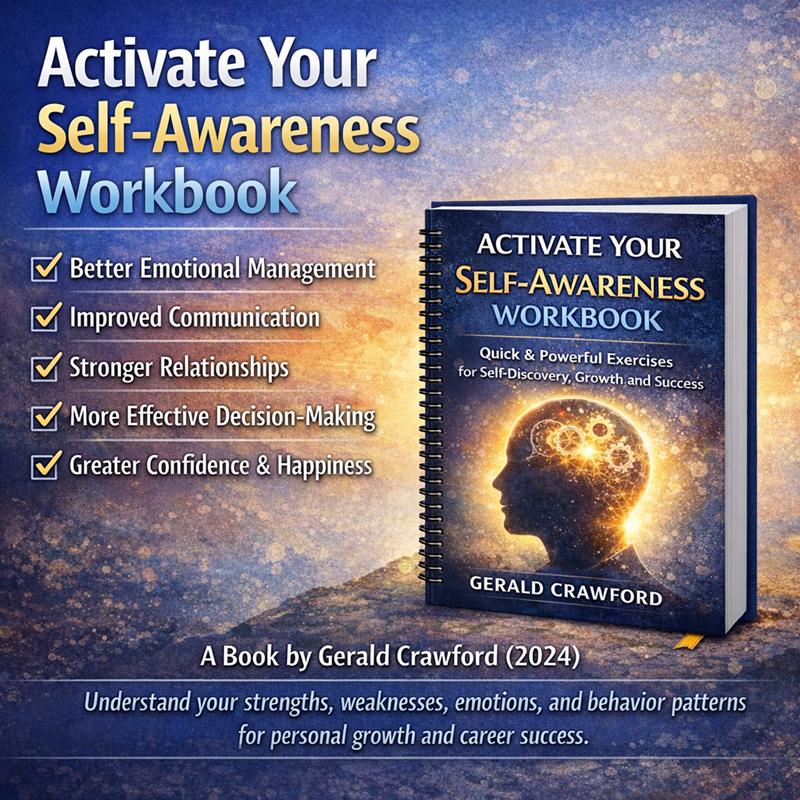
Activating self-awareness leads to better emotional management, improved communication, stronger relationships, more effective decision-making, increased confidence, greater personal happiness, and enhanced career success by helping you understand your strengths, weaknesses, emotions, and patterns of behavior.

Category: 3-Generation Wealth Pattern (Page 2 of 3)

Self-Awareness NEGATIVE 3 Generation Wealth Pattern Teaching and Education Model (SA Model)

Teaching & Education Framework

Eliminating the Negative 3-Generation Wealth Pattern


Model Purpose

The SA Teaching & Education Model is designed to:

  • Break the “Build → Maintain → Squander” cycle

  • Develop emotionally intelligent wealth creators and stewards

  • Transfer values, discipline, and identity alongside capital

  • Build prepared heirs — not dependent beneficiaries

This is an education-first legacy framework.


Core Thesis of the SA Model

The 3-generation wealth decline happens when:

  • Financial growth outpaces emotional maturity

  • Comfort replaces discipline

  • Identity becomes tied to wealth

  • Financial education is absent

Self-awareness interrupts entitlement before it becomes destruction.


The SA Model Structure

The Teaching Model operates on 4 Educational Dimensions:

  1. Self-Awareness Education

  2. Emotional Intelligence Development

  3. Financial Literacy & Stewardship

  4. Legacy Governance & Leadership


MODULE 1: Self-Awareness & Wealth Identity

Learning Objectives:

  • Understand inherited money beliefs

  • Separate self-worth from net worth

  • Identify entitlement patterns early

  • Develop internal accountability

Teaching Content:

  • Family money narratives

  • Scarcity vs abundance psychology

  • Emotional triggers around status

  • Identity without inheritance

Core Exercise:

“Who am I without the wealth?” reflection worksheet


MODULE 2: Emotional Intelligence & Character Formation

Learning Objectives:

  • Develop delayed gratification

  • Strengthen resilience

  • Build emotional regulation

  • Improve conflict navigation

Teaching Content:

  • Emotional maturity before financial access

  • Handling power responsibly

  • Family communication skills

  • Leadership humility

Core Exercise:

Delayed reward challenge simulation


MODULE 3: Financial Literacy as a Family Culture

Learning Objectives:

  • Understand assets vs liabilities

  • Learn investment principles

  • Master budgeting and capital allocation

  • Think long-term

Teaching Content:

  • Wealth creation fundamentals

  • Risk management basics

  • Compounding and generational planning

  • Consumption vs stewardship mindset

Core Exercise:

Family financial simulation (multi-generation case study)


MODULE 4: Governance, Structure & Succession

Learning Objectives:

  • Understand why wealth needs structure

  • Learn decision-making frameworks

  • Clarify leadership succession

  • Reduce family conflict risk

Teaching Content:

  • Family constitution principles

  • Trust and governance structures

  • Transparent wealth communication

  • Leadership development pipeline

Core Exercise:

Draft a family mission & governance outline


The SA Teaching Cycle

  1. Awareness
  2. Emotional Strength
  3. Financial Competence
  4. Structural Discipline
  5. Repeat & Reinforce Across Generations

This becomes a continuous educational culture.


Age-Based Implementation Strategy

Children (8–14)

  • Basic budgeting games

  • Responsibility allowances

  • Gratitude and contribution focus

Young Adults (15–25)

  • Investment fundamentals

  • Work experience requirements

  • Mentorship exposure

  • Financial decision simulations

Adult Heirs (25+)

  • Board observation roles

  • Strategic decision participation

  • Performance accountability systems

  • Leadership training


Removing the Negative Pattern

Negative Pattern SA Educational Intervention
Entitlement Responsibility training early
Silence about money Structured family financial education
Identity tied to wealth Character-first identity curriculum
Emotional immaturity EI-based leadership education
Inheritance without preparation Competency milestones before access

SA Model Educational Outcomes

Families implementing the SA Teaching Model will:

  • Reduce generational wealth loss

  • Increase emotional maturity in heirs

  • Improve family unity and communication

  • Strengthen leadership succession

  • Sustain wealth beyond 3 generations


Core Teaching Statement

Sustainable wealth is not inherited.
It is educated, cultivated, and structured.

Self-awareness transforms inheritance into stewardship.


Possible Program Formats

  • 8-Week Legacy Masterclass

  • 6-Month Family Wealth Education Program

  • Executive Wealth Stewardship Certification

  • Multi-Generational Family Retreat Curriculum

  • Legacy Leadership School for Heirs

Building Legacy & Generational Wealth with Self-Awareness removing the NEGATIVE 3 Generation Wealth Pattern

With Self-Awareness — Removing the Negative 3 Generation Pattern

Core Principle:
We don’t just transfer assets.
We transfer identity, values, discipline, and emotional maturity.

The negative 3-generation cycle (Build → Maintain → Squander) is not a financial failure — it is a self-awareness failure.


PART 1: The Real Problem Behind the 3-Generation Pattern

The pattern happens when:

  • Wealth grows faster than character.

  • Comfort grows faster than responsibility.

  • Access grows faster than maturity.

  • Inheritance replaces initiative.

Without self-awareness, wealth magnifies weaknesses.


PART 2: Why Self-Awareness Is the Missing Link

Self-awareness ensures:

  • We understand our money beliefs.

  • We identify entitlement early.

  • We manage ego and emotional spending.

  • We separate identity from net worth.

  • We teach heirs emotional maturity before financial power.

Money amplifies who you already are.
Self-awareness ensures you are strong before money becomes large.


PART 3: The 6 Pillars of Self-Aware Generational Wealth


1. Identity Before Inheritance

Ask:

  • Who are we without this money?

  • What values define this family?

  • What do we stand for beyond profit?

Families that last define identity independent of wealth.


2. Emotional Intelligence in Wealth Transfer

Teach heirs:

  • Delayed gratification

  • Accountability

  • Resilience

  • Healthy relationship with status

  • Handling criticism and pressure

Unregulated emotions destroy regulated portfolios.


3. Scarcity Memory Without Scarcity Trauma

Generation 1 had struggle.
Generation 3 often has comfort.

To remove decline:

  • Share origin stories.

  • Preserve struggle narratives.

  • Teach effort appreciation.

  • Assign responsibility early.

Comfort without awareness breeds entitlement.


4. Financial Education as a Culture

Not a once-off conversation — a lifestyle.

  • Budgeting skills

  • Investing knowledge

  • Business fundamentals

  • Asset-building mindset

  • Understanding risk

Children must see how wealth is created — not just spent.


5. Structured Governance & Accountability

Wealth without structure creates chaos.

Implement:

  • Family constitution

  • Succession planning

  • Clear leadership roles

  • Transparent financial reviews

  • Decision-making protocols

Self-awareness + structure = sustainability.


6. Contribution Over Consumption

Teach that wealth is a responsibility.

Encourage:

  • Philanthropy

  • Community engagement

  • Entrepreneurship

  • Mentorship

When heirs learn to create and contribute, they preserve.


PART 4: Removing the Negative 3-Generation Pattern

Replace This:

Old Pattern New Pattern
Struggle → Comfort → Entitlement Struggle → Awareness → Responsibility
Money as status Money as stewardship
Inheritance without preparation Inheritance with training
Silence about finances Transparent education
Ego-driven decisions Values-driven decisions

PART 5: Internal & External Navigation Model

Internal Navigation (Self-Mastery)

  • Understand emotional triggers around money.

  • Separate self-worth from net worth.

  • Develop long-term thinking.

  • Practice delayed gratification.

  • Build resilience before reward.

External Navigation (Systems & Structure)

  • Automate investments.

  • Hold family wealth meetings.

  • Teach financial responsibility progressively.

  • Assign leadership roles early.

  • Create clear succession pathways.


Workshop Reflection Questions

  1. Are we building wealth or building heirs?

  2. What emotional patterns around money exist in our family?

  3. Would the next generation survive without this inheritance?

  4. Are we transferring money faster than maturity?

  5. What legacy will outlive the bank account?


The Legacy Formula

**Generational Wealth = Financial Capital

  • Emotional Intelligence

  • Clear Identity

  • Governance Structure

  • Contribution Mindset**

Remove one — sustainability weakens.


Final Teaching Statement

Wealth does not survive by accident.
It survives when self-aware families build character as aggressively as they build capital.

« Older posts Newer posts »

Step-up and get your seat on my VIP Activate Your Self-awareness Mentorship Program for 2026

X
Back a Buddy Show your Support