Module 7 is where inner awareness becomes visible in daily life.
This module helps learners stop trying to “fix behaviour” and instead understand the emotional intelligence of habits.
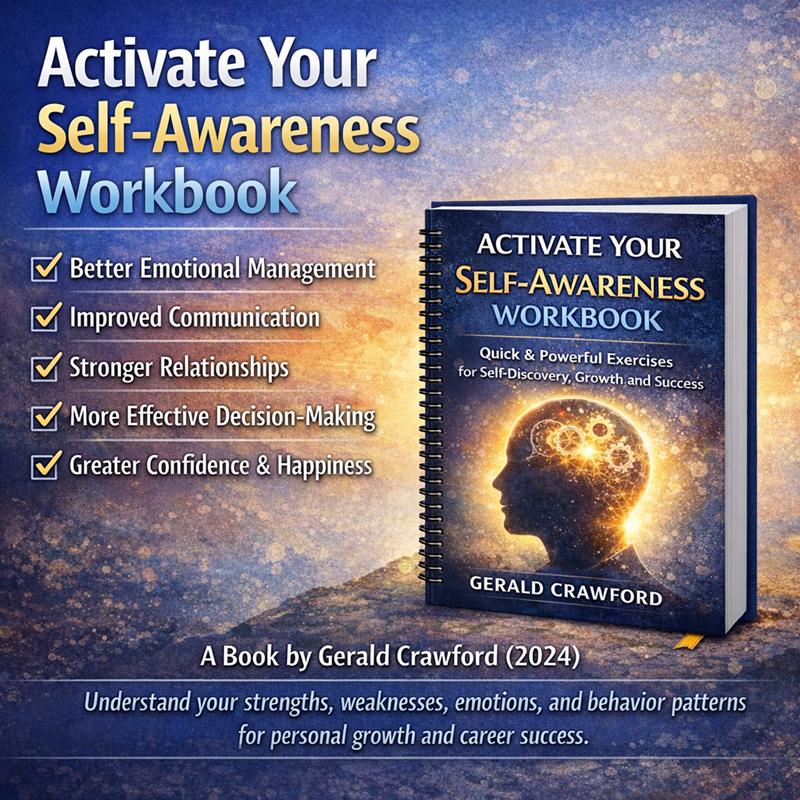
Below is Module 7 fully expanded, facilitator-ready, and aligned with Modules 1–6, grounded in the EFT Teaching & Education Model and Activate Your Self-awareness Workbook.
Self-awareness Teaching and Education Model (EFT Model)
Module 7 (7 of 14): Behaviour & Habit Awareness
Theme
What I do automatically
Purpose of Module 7
Up to now, learners have worked internally:
-
Thoughts
-
Emotions
-
Triggers
-
Identity
-
Self-relationship
Module 7 brings awareness to what happens next:
Behaviour is not random — it is a response to emotional and nervous-system states.
This module teaches that habits are attempts at regulation, not personal failures.
Learning Focus (Expanded)
1. Habit Loops: Trigger → Response → Outcome
Learners are introduced to the habit loop:
-
Trigger – emotional state, thought, or situation
-
Response – automatic behaviour
-
Outcome – temporary relief or familiar result
Examples explored:
-
Stress → scrolling → numbness
-
Anxiety → overworking → burnout
-
Loneliness → overeating → shame
-
Conflict → withdrawal → distance
Key insight:
The behaviour is not the problem — it’s the solution the nervous system learned.
2. Emotional Drivers of Behaviour
Learners explore how behaviour is driven by:
-
Avoidance of discomfort
-
Seeking safety or control
-
Desire for connection
-
Need for relief
Important teaching points:
-
Habits persist because they work short-term
-
Long-term consequences are secondary to immediate relief
-
Awareness dissolves compulsion
You don’t stop a habit by fighting it.
You outgrow it by understanding it.
EFT Focus (Expanded)
Emotional Roots of Habits
EFT is used to work with:
-
The emotion before the behaviour
-
The relief during the behaviour
-
The shame after the behaviour
This compassionate approach allows learners to:
-
Remove emotional charge
-
Reduce urgency
-
Create space for conscious choice
Key EFT principle:
When the emotional need is met directly, the habit loosens naturally.
Key Outcomes (Expanded)
By the end of Module 7, the learner:
- Understands personal habit loops
- Recognises emotional drivers behind behaviour
- Feels less shame around habits
- Gains the ability to pause before reacting
- Can interrupt unhealthy patterns with awareness
Practice Section (Facilitator-Ready)
Habit Awareness Map
Learners choose one recurring behaviour to explore.
Mapping Prompts:
-
What is the behaviour?
-
When does it usually happen?
-
What emotion or state comes before it?
-
What does the behaviour provide in the moment?
-
What happens afterward (emotionally and practically)?
-
What might this habit be trying to help me with?
Key reminder:
Curiosity weakens habits faster than willpower.
EFT Tapping – Behaviour Change (Without Force)
Setup Statement (Karate Chop):
“Even though I keep repeating this behaviour, and part of me feels frustrated or ashamed, I choose to understand what this habit has been trying to do for me and create space for a new response.”
(Repeat 3 times)
Tapping Points (Short Phrases):
-
Eyebrow: This habit
-
Side of Eye: This automatic response
-
Under Eye: It shows up for a reason
-
Under Nose: It’s trying to help me cope
-
Chin: I don’t need to fight it
-
Collarbone: I can meet the need underneath
-
Under Arm: Creating space before reacting
-
Top of Head: I choose awareness over autopilot
Integration Pause:
Invite learners to notice:
-
Is the urge softer?
-
Is there more choice?
-
Is the body calmer?
No forcing. No promises. Just space.
Facilitator Notes (Optional)
-
Avoid “good vs bad” behaviour language
-
Normalise relapse — awareness is still progress
-
Emphasise interrupting, not eliminating
-
Reinforce compassion as the change agent
Daily Integration Practice
For the next few days, learners practise:
-
Pausing when the urge arises
-
Naming the state (“I’m noticing anxiety / fatigue / restlessness”)
-
Taking one conscious breath
-
Choosing any slightly more aware response
Even a 2-second pause is transformational.
Core Message of Module 7
Your habits are not enemies —
they are messages from unmet emotional needs.



Leave a Reply