This is a deeply healing module – the point where effort softens and the inner battle begins to dissolve.
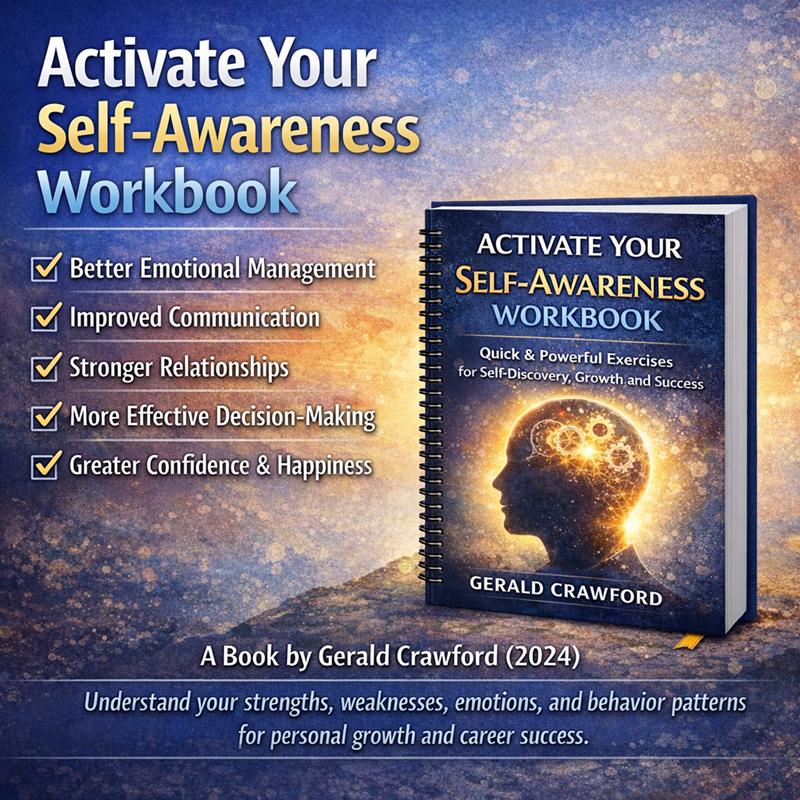
Below is Module 6 fully expanded, facilitator-ready, and seamlessly aligned with Modules 1–5, grounded in the EFT Teaching & Education Model and Activate Your Self-awareness Workbook.
Self-awareness Teaching and Education Model (EFT Model)
Module 6 (6 of 14): Self-Acceptance & Compassion
Theme
Ending the inner war
Purpose of Module 6
Up to this point, learners have:
-
Observed thoughts
-
Felt emotions
-
Understood triggers
-
Questioned identity beliefs
Now comes the essential shift:
Healing does not happen through self-correction — it happens through self-acceptance.
This module teaches learners how to stop fighting themselves and begin relating inwardly with kindness and understanding.
Learning Focus (Expanded)
1. Acceptance as Healing
Learners explore a powerful truth:
-
What we resist persists
-
What we accept softens
Acceptance is reframed as:
-
Allowing reality to be as it is right now
-
Ending inner opposition
-
Creating internal safety
Important distinction:
Acceptance does not mean approval.
It means stopping the war with what already exists.
2. Compassion Over Self-Criticism
Learners examine how self-criticism:
-
Was often learned as motivation
-
Creates shame and contraction
-
Increases anxiety and avoidance
Compassion is introduced as:
-
A nervous-system regulator
-
A source of inner safety
-
The foundation for sustainable change
You don’t become better by being harder on yourself.
You become better by feeling safe enough to grow.
EFT Focus (Expanded)
Tapping on Self-Judgment and Shame
Shame is explored as:
-
A belief of “something is wrong with me”
-
A learned emotional response
-
A major block to healing
EFT is used to:
-
Reduce shame safely
-
Soften harsh inner dialogue
-
Restore emotional connection to self
Key EFT principle:
You can tap with the part of you that judges — not against it.
Key Outcomes (Expanded)
By the end of Module 6, the learner:
- Understands acceptance as a healing force
- Experiences reduced self-criticism
- Develops compassion toward inner experience
- Feels more emotionally safe with self
- Notices less inner resistance and tension
Practice Section (Facilitator-Ready)
Self-Compassion Statements
Learners are invited to read or write statements slowly, noticing bodily responses.
Examples:
-
“I am allowed to be human.”
-
“I can be kind to myself even when I struggle.”
-
“I don’t have to be perfect to be worthy.”
-
“I am learning, not failing.”
-
“I can meet myself where I am.”
Instruction:
If a statement feels uncomfortable, that’s okay — simply notice it.
EFT Tapping – Self-Criticism & Shame
Setup Statement (Karate Chop):
“Even though I am very hard on myself, and part of me believes I need this criticism to be okay, I choose to listen with compassion and allow myself some kindness.”
(Repeat 3 times)
Tapping Points (Short Phrases):
-
Eyebrow: This harsh inner voice
-
Side of Eye: All this self-judgment
-
Under Eye: It’s been exhausting
-
Under Nose: I’ve been fighting myself
-
Chin: I don’t need to do that anymore
-
Collarbone: I choose compassion
-
Under Arm: Letting shame soften
-
Top of Head: I am allowed to be kind to myself
Integration Pause:
Invite learners to notice:
-
Is the inner tone softer?
-
Is there more warmth or openness?
-
Is the body more relaxed?
No forcing. No fixing.
Facilitator Notes (Optional)
-
Expect resistance — compassion can feel unsafe at first
-
Normalise discomfort as part of healing
-
Never push affirmations
-
Redirect self-attack into curiosity
-
Emphasise choice and pacing
Daily Integration Practice
For the next few days, learners practise:
-
Noticing self-critical thoughts
-
Placing a hand on the body
-
Saying internally:
“I see you. You’re allowed to be here.”
This alone begins rewiring the self-relationship.
Core Message of Module 6
The moment you stop fighting yourself,
healing begins.



Leave a Reply