Case Study 403: Applying Activate Your Self-awareness Workbook in a Teaching and Education Model
Gerald Crawford (2024)
Student Overview
Name: Ethan R. (Pseudonym)
Age: 17
Context: Final-Year High School Student
Primary Challenges: Exam anxiety, overthinking, inconsistent performance, pressure to succeed
Ethan was a capable student with strong potential, but his performance dropped significantly during exams due to anxiety and self-imposed pressure.
Presenting Problems
- High exam-related anxiety
- Overthinking and mental blocks during tests
- Fear of failure and disappointing others
- Inconsistent academic results
- Difficulty managing pressure
Ethan shared:
“I study hard, but when I sit in the exam, my mind goes blank.”
Educational Model Framework
This case applied Activate Your Self-awareness Workbook within a 4-phase teaching and education model:
1. Awareness (Exam Mindset Recognition)
- Identifying thoughts and emotions before and during exams
- Recognizing anxiety triggers and patterns
2. Understanding (Pressure & Belief Exploration)
- Exploring beliefs around success, failure, and expectations
- Understanding how anxiety impacts performance
3. Regulation (Emotional & Mental Control)
- Learning techniques to manage anxiety and focus
- Developing calm, controlled thinking under pressure
4. Application (Exam Performance Strategy)
- Applying awareness and regulation techniques during tests
- Building confidence through preparation and mindset
Intervention Process
Phase 1: Awareness Activation
Ethan tracked his thoughts and emotions around exams.
Tools Used:
- Pre-exam reflection exercises
- Anxiety level tracking
- Post-exam self-evaluation
Breakthrough:
“I realized my anxiety starts before the exam even begins.”
Phase 2: Understanding the Pressure
Ethan explored the root of his anxiety.
Discoveries:
- Fear of disappointing parents and teachers
- Perfectionist mindset
- Belief: “If I don’t perform well, I’ve failed”
Insight:
“I put so much pressure on myself that it actually makes things worse.”
Phase 3: Emotional & Mental Regulation
Ethan learned to manage anxiety and regain focus.
Practices:
- Breathing and grounding techniques
- Reframing negative thoughts
- Breaking exam questions into manageable steps
Shift:
“I can calm myself down and think more clearly.”
Phase 4: Exam Application
Ethan applied new strategies during exams.
Actions:
- Starting with easier questions to build confidence
- Pausing when overwhelmed
- Using positive self-talk
Outcome:
“I didn’t panic this time—I stayed focused and finished strong.”
Transformation Timeline
Week 1–2: Awareness
Ethan identified anxiety triggers and thought patterns.
Week 3–4: Understanding
He recognized beliefs driving his pressure.
Week 5–6: Regulation
He developed tools to manage anxiety and focus.
Week 7–8: Application
He applied strategies successfully in exams.
Outcomes & Results
Academic Improvements
- More consistent exam performance
- Improved ability to recall information under pressure
Emotional Growth
- Reduced exam anxiety
- Increased confidence and calmness
Behavioural Changes
- Better exam strategies
- Improved focus and time management
Personal Development
- Healthier mindset toward success and failure
- Increased self-trust
Student Reflection
“I realized it wasn’t my ability—it was my mindset. Once I understood that, everything changed.”
Key Insight
Performance improves when students learn to manage their internal state, not just their external preparation.
Conclusion
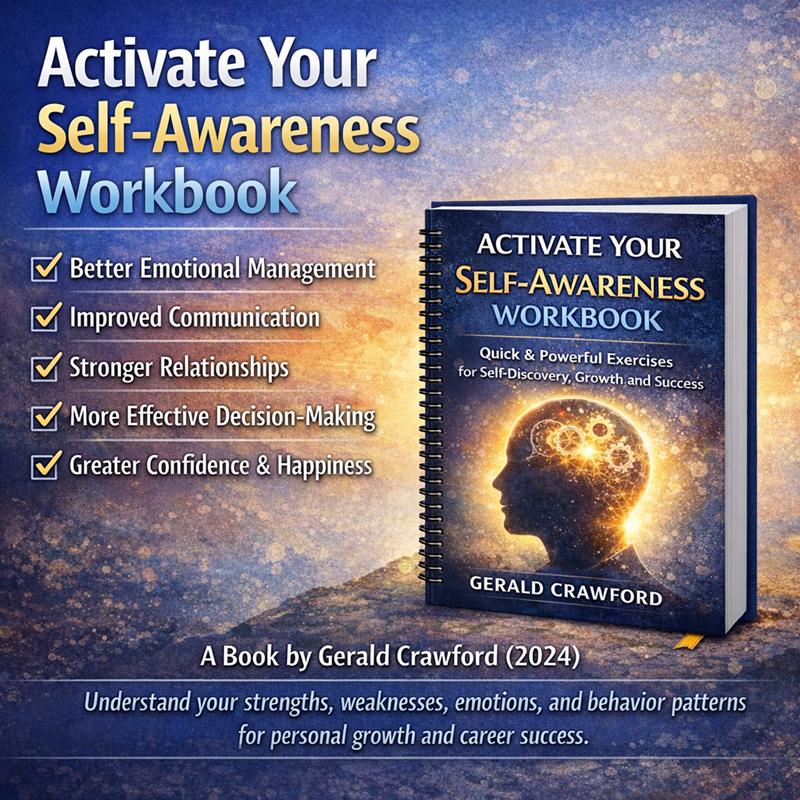
This case study highlights how Activate Your Self-awareness Workbook can be effectively applied within an educational model to address exam anxiety and performance challenges.
By developing self-awareness and emotional regulation, Ethan transformed from an anxious, overwhelmed student into a focused and confident performer.
Application
This model is highly effective for:
- Exam preparation and performance coaching
- Anxiety and stress management in students
- Academic mindset development
- Educational support programs
Final Thought:
Success in education is not just about what you know—it’s about how you manage your mind when it matters most.



Leave a Reply