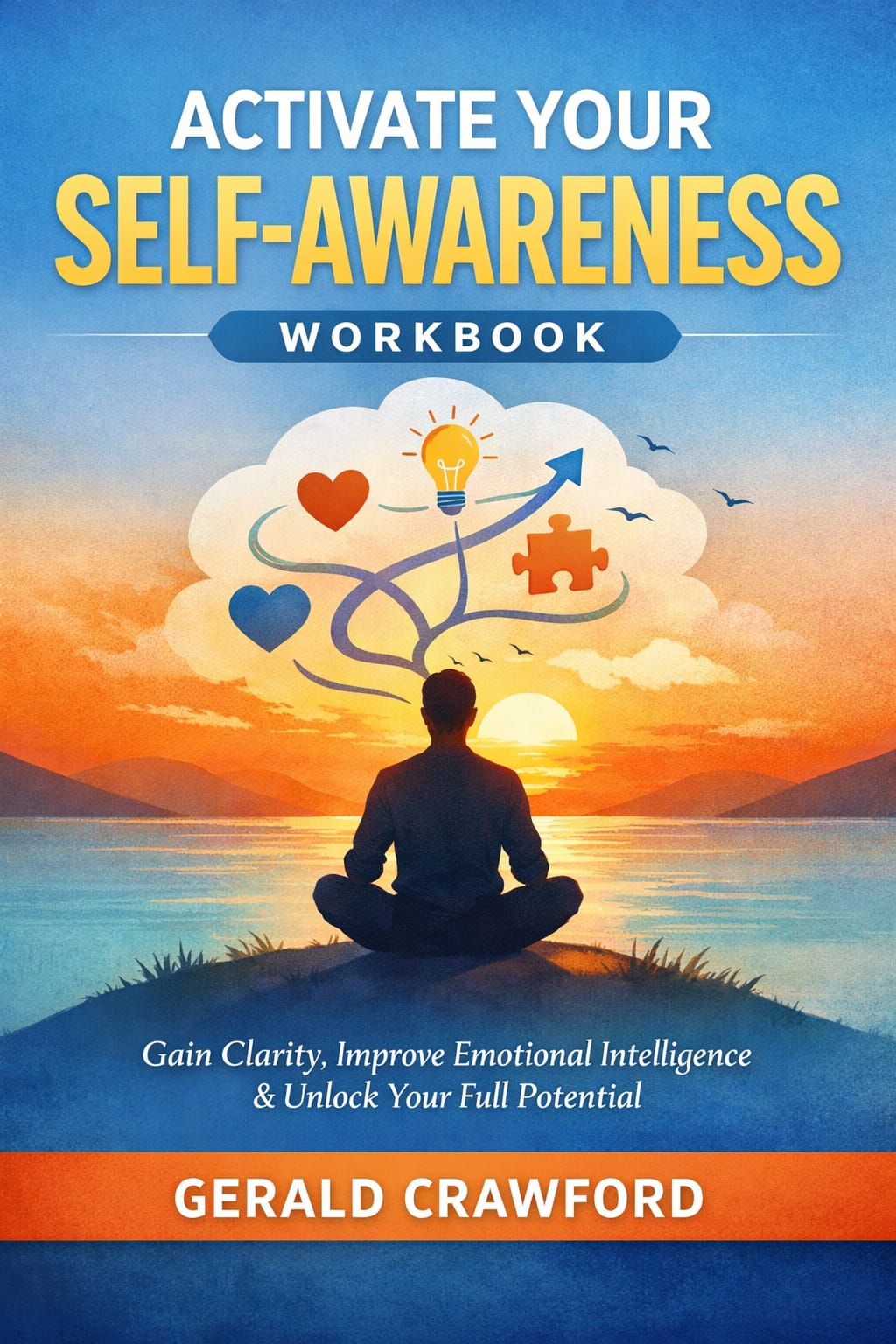
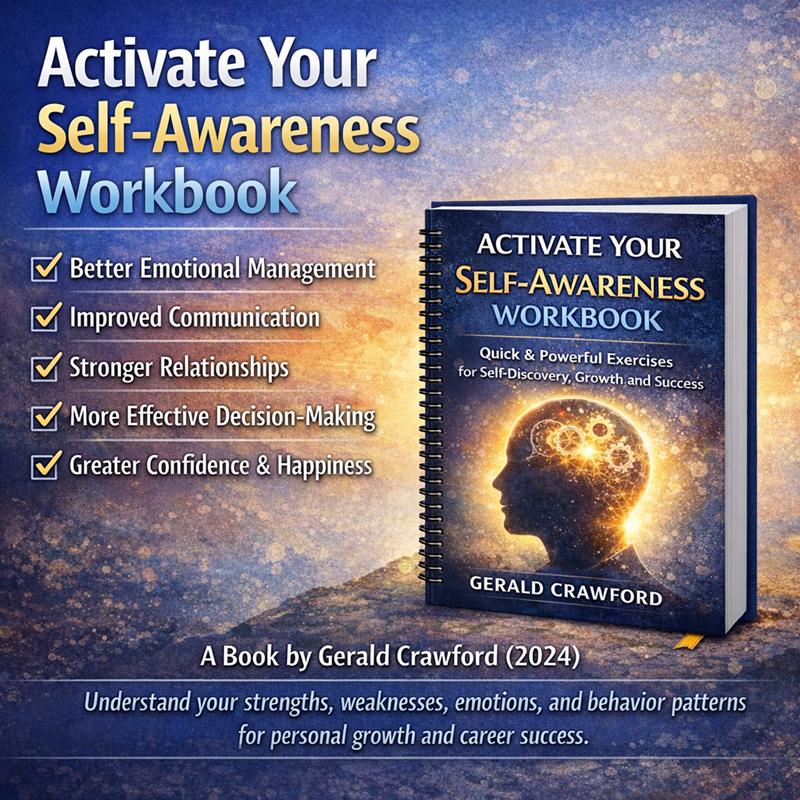
Activating self-awareness leads to better emotional management, improved communication, stronger relationships, more effective decision-making, increased confidence, greater personal happiness, and enhanced career success by helping you understand your strengths, weaknesses, emotions, and patterns of behavior.

Category: Case Study (Page 2 of 4)

Case Study 00171 – 18 Dec 2025 – 30 Questions a Hypnotherapist might ask to Customize a Healing Program to Awakening your Self-Awareness.

Customizing a healing program to increase self-awareness, a hypnotherapist might ask you a series of questions to understand your needs and create a personalized plan.

Here are 30 potential questions they might ask:

1. What motivated you to seek hypnotherapy, Gerald?

2. What are your goals for our sessions together?

3. How do you currently handle stress and difficult emotions?

4. Can you describe a typical day in your life, including your daily habits and routines?

5. How do you think your childhood experiences have shaped your current perspective and behaviors?

6. What are some negative self-thoughts or patterns that you’d like to change?

7. How do you feel about your body and physical health?

8. Are there any specific relationships in your life that you’d like to improve or work on?

9. What are some things that bring you joy and make you feel fulfilled?

10. Can you describe your current sleep patterns and how you feel upon waking?

11. How do you handle challenges or setbacks, and what coping mechanisms do you use?

12. Are there any past traumas or experiences that you feel are still impacting your life?

13. How do you prioritize self-care and make time for activities that nourish your mind, body, and spirit?

14. What are your values and priorities in life, and are they aligning with your current actions and decisions?

15. Can you describe your creative expression and how you bring new ideas into your life?

16. How do you feel about your emotional expression, and are there any emotions that you tend to suppress oravoid?

17. Are there any addictive patterns or behaviors in your life that you’d like to change?

18. Can you describe your relationship with food and how you use it to cope with emotions or stress?

19. How do you feel about your spiritual practice, and are there any spiritual principles or values that guide your life?

20. Are there any physical health issues or concerns that you’d like to address through hypnotherapy?

21. Can you describe your current mindset and attitude towards life, and are there any pessimistic or negative thought patterns that you’d like to shift?

22. How do you handle change or unexpected events, and are you able to adapt easily to new situations?

23. What are some self-care practices that you’ve tried in the past, and what worked or didn’t work for you?

24. Can you describe your support system, including friends, family, or a therapist, and how you reach out for help when you need it?

25. Are there any creative pursuits or hobbies that you’ve been wanting to explore, but haven’t had the time or courage to try?

26. How do you feel about your personal boundaries, and are there any areas where you feel like you’re overextending or people-pleasing?

27. Can you describe your relationship with technology, and are there any ways that you feel like it’s impacting your mental or emotional well-being?

28. Are there any specific fears or phobias that you’d like to work on overcoming?

29. How do you feel about your self-worth and self-identity, and are there any areas where you feel like you’re struggling to find confidence or self-acceptance?

30. What does your ideal future look like, and what steps can you take to start moving in that direction?

These questions can help a hypnotherapist understand your unique needs, challenges, and goals, and create a personalized healing program to support your awakening and growth.

Case Study 204: More Peace and Calm being experiences when living a life connected to Self-awareness

Case Study 204

More Peace and Calm Experienced When Living a Life Connected to Self-Awareness


Context

Case Study 204 focuses on an individual who reported a persistent lack of inner calm. Although their external life was relatively stable, their internal experience was characterised by constant mental activity, emotional tension, and difficulty fully relaxing.

They described:

  • A busy, overactive mind

  • Ongoing low-level anxiety or unease

  • Emotional reactivity in everyday situations

  • A sense of always being “on” or internally alert

This state had become normalised, and the individual initially believed that calm was something that would only arrive once external circumstances improved.


Initial Awareness

Through self-awareness practices, the individual began observing their internal state rather than trying to change it.

What became apparent was that:

  • Tension was present even in neutral situations

  • Emotional responses often occurred automatically

  • Thoughts frequently moved into anticipation or self-monitoring

  • The nervous system remained activated without immediate threat

These patterns had been operating largely outside conscious awareness.


Self-Awareness Practice

The focus of the work was observation without judgment.

Key elements included:

  • Noticing bodily tension as it arose

  • Observing thoughts without following or correcting them

  • Naming emotions instead of suppressing them

  • Allowing internal experiences to be present

No techniques were used to force relaxation or positivity.
The emphasis remained on seeing clearly rather than fixing.


Shift in Experience

As awareness increased, the individual noticed subtle but consistent changes:

  • Emotional reactions softened more quickly

  • Mental noise reduced without effort

  • The body began to relax naturally

  • There was more space between stimulus and response

Calm was no longer something to achieve — it appeared when resistance decreased.


Outcome

Over time, the individual experienced:

  • A stable sense of inner peace

  • Greater emotional balance

  • Reduced reactivity in relationships

  • Increased presence in daily life

  • A nervous system that could settle more easily

Peace and calm became internal states rather than conditions dependent on circumstances.


Core Insight

The most significant realisation was:

Calm is not created through control or effort.
It emerges when unconscious inner activity becomes conscious.

Self-awareness allowed the nervous system to regulate itself naturally.


Conclusion

Case Study 204 demonstrates that living a life connected to self-awareness fundamentally changes the inner experience.

By bringing habitual patterns, emotions, and reactions into awareness:

  • Inner tension reduces

  • Emotional intensity softens

  • Calm becomes accessible in everyday life

This case illustrates that peace is not something to be added, but something that remains when unconscious activity is no longer running the system.

« Older posts Newer posts »
Back a Buddy Show your Support