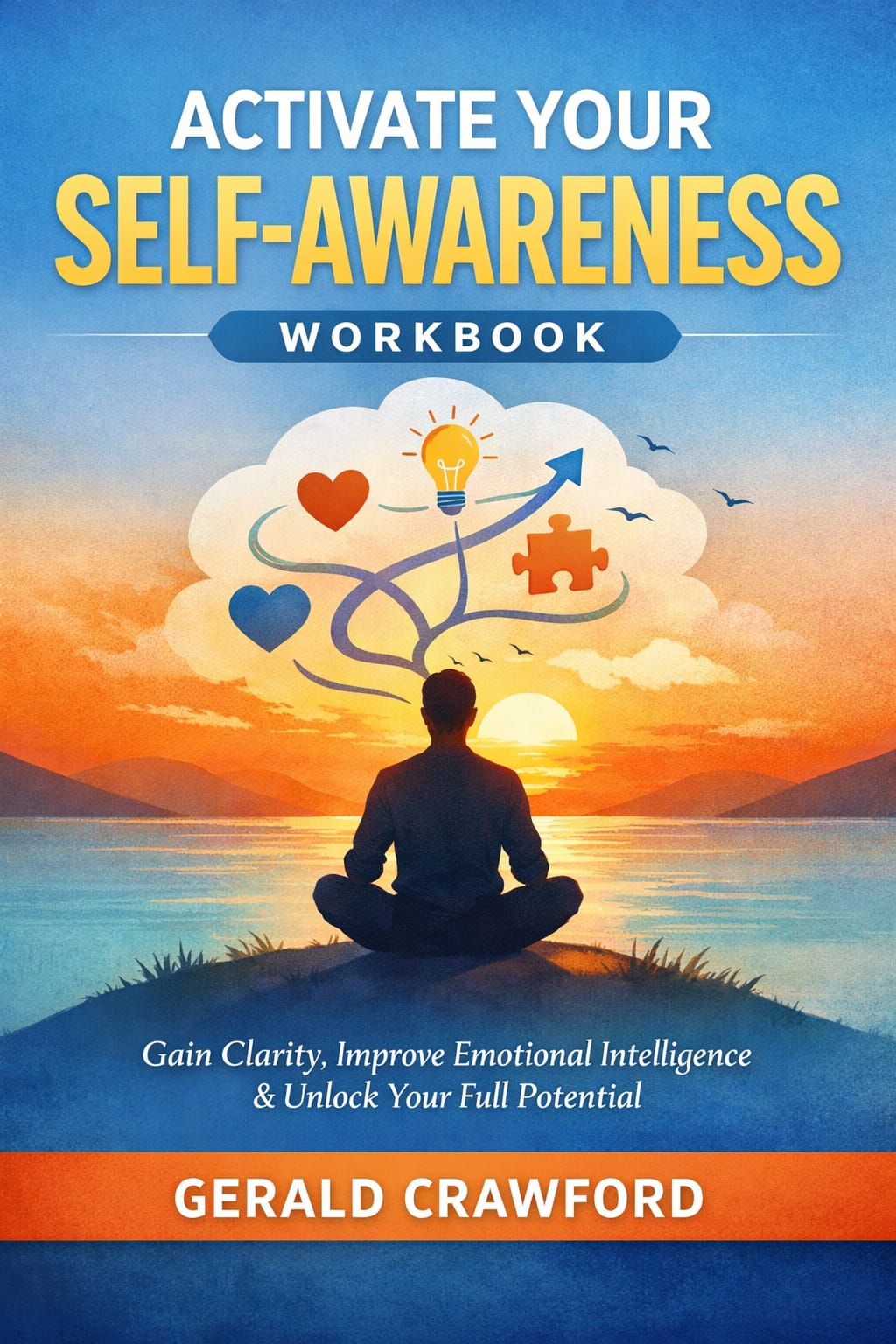
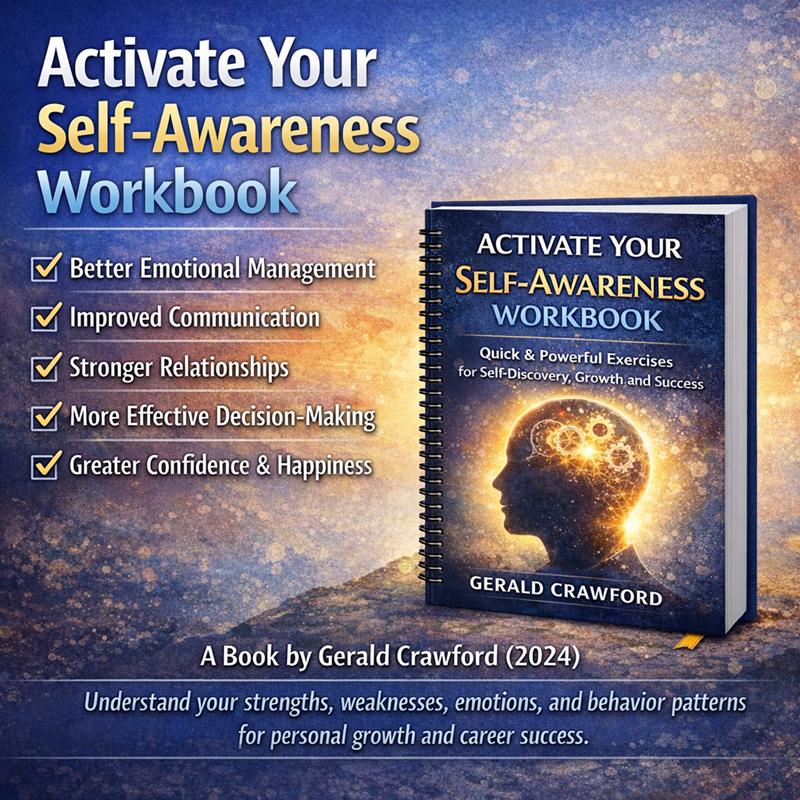
Activating self-awareness leads to better emotional management, improved communication, stronger relationships, more effective decision-making, increased confidence, greater personal happiness, and enhanced career success by helping you understand your strengths, weaknesses, emotions, and patterns of behavior.

Tag: Teaching and Education Model (Page 2 of 8)

Self-awareness Teaching and Education Model (EFT Model) – Module 12 – Stress, Nervous System & Inner Safety 12 of 14

Module 12 is where everything comes together in the body.
After clarity and direction (Module 11), learners now learn how to stay regulated while living aligned.

Below is Module 12 fully expanded, facilitator-ready, and aligned with Modules 1–11, grounded in the EFT Teaching & Education Model and Activate Your Self-awareness Workbook.


Self-awareness Teaching and Education Model (EFT Model)

Module 12 (12 of 14): Stress, Nervous System & Inner Safety

Theme

Regulating the body


Purpose of Module 12

Many people understand themselves cognitively but still feel:

  • Anxious

  • Overwhelmed

  • On edge

  • Exhausted

This module teaches a critical truth:

You cannot think your way into calm — the body must feel safe first.

Learners shift from managing stress mentally to regulating the nervous system directly.


Learning Focus (Expanded)

1. Nervous System Awareness

Learners are introduced to the nervous system as the foundation of emotional experience.

Key teaching points:

  • The nervous system prioritises safety, not logic

  • Stress is a physiological response, not a personal failure

  • Regulation precedes insight

Learners learn to recognise internal cues such as:

  • Muscle tension

  • Shallow breathing

  • Restlessness

  • Numbness or shutdown

Awareness of the body restores choice.


2. Stress Responses: Fight, Flight & Freeze

Learners explore the three primary stress responses:

  • Fight – irritation, anger, control

  • Flight – anxiety, overworking, avoidance

  • Freeze – shutdown, numbness, dissociation

Important reframes:

  • These are protective responses

  • They are automatic, not conscious

  • Each response has a purpose

Your nervous system is not broken — it is trying to keep you alive.


EFT Focus (Expanded)

Calming the Nervous System

EFT is used as a bottom-up regulation tool.

Benefits include:

  • Sending safety signals to the brain

  • Reducing cortisol and stress arousal

  • Restoring present-moment awareness

Learners are taught:

  • Short, gentle tapping rounds

  • To tap even when they don’t know why they’re stressed

  • To prioritise soothing over insight


Restoring Inner Safety

Inner safety is defined as:

  • Feeling grounded in the body

  • Feeling present in the moment

  • Feeling capable of handling what arises

Safety is not the absence of stress —
it’s the ability to return to calm.


Key Outcomes (Expanded)

By the end of Module 12, the learner:

  • Understands their stress response patterns
  • Can recognise nervous system activation early
  • Experiences reduced anxiety and overwhelm
  • Develops tools to restore calm
  • Builds long-term emotional resilience

Practice Section (Facilitator-Ready)

Body Awareness Scan

Learners are guided slowly through the body.

Steps:

  1. Sit comfortably and close the eyes (optional)

  2. Bring attention to the breath

  3. Scan from head to toe, noticing:

    • Areas of tension

    • Sensations (warm, tight, heavy, numb)

  4. Name sensations without changing them

Key instruction:

The goal is not relaxation — it is awareness with safety.


EFT Tapping – Stress & Overwhelm

Setup Statement (Karate Chop):

“Even though my body feels stressed or overwhelmed right now, and my nervous system feels activated, I choose to create safety in my body and allow myself to settle.”

(Repeat 3 times)

Tapping Points (Short Phrases):

  • Eyebrow: This stress in my body

  • Side of Eye: This nervous system activation

  • Under Eye: My body is trying to protect me

  • Under Nose: I can slow things down

  • Chin: Breathing into safety

  • Collarbone: Letting my system settle

  • Under Arm: Returning to the present

  • Top of Head: I am safe in this moment

Integration Pause:

Invite learners to notice:

  • Is breathing deeper?

  • Is there less tension?

  • Does the body feel more grounded?


Facilitator Notes (Optional)

  • Move slowly and speak calmly

  • Avoid intense emotional processing here

  • Emphasise repetition over depth

  • Normalise stress responses

  • Reinforce agency and choice


Daily Integration Practice

For the next few days, learners practise:

  • Pausing multiple times per day

  • Asking:
    “What does my nervous system need right now?”

  • Using brief EFT tapping or grounding

Consistency builds resilience.


Core Message of Module 12

When the body feels safe,
the mind can rest and the heart can open.
Self-awareness Teaching and Education Model (EFT Model) – Module 11 – Values, Meaning & Life Direction 11 of 14

Module 11 is where healing turns into direction.
After release and closure (Module 10), learners are finally clear enough to ask: “How do I want to live now?”

Below is Module 11 fully expanded, facilitator-ready, and aligned with Modules 1–10, grounded in the EFT Teaching & Education Model and Activate Your Self-awareness Workbook.


Self-awareness Teaching and Education Model (EFT Model)

Module 11 (11 of 14): Values, Meaning & Life Direction

Theme

Living aligned


Purpose of Module 11

Many people feel stuck not because they lack ability — but because they lack inner alignment.

This module helps learners move from:

  • Reacting → choosing

  • Drifting → directing

  • Pleasing → aligning

When values are clear, decisions become simpler — even when they’re difficult.


Learning Focus (Expanded)

1. Clarifying Values

Learners explore the difference between:

  • Values (how I want to live)

  • Goals (what I want to achieve)

  • Expectations (what others want from me)

Key teaching points:

  • Values are internal and stable

  • Values guide behaviour across situations

  • Misalignment creates exhaustion and resentment

Examples of core values explored:

  • Integrity

  • Freedom

  • Connection

  • Growth

  • Compassion

  • Creativity

  • Stability

  • Contribution

A value is something you live, not something you achieve.


2. Decision-Making from Awareness

Learners reflect on how decisions are often made:

  • From fear

  • From guilt

  • From habit

  • From pressure

They learn a new decision-making filter:

  • Is this aligned with my values?

  • Does this honour my energy and wellbeing?

  • Am I choosing from fear or clarity?

Important reframe:

Aligned decisions feel calmer — even when they are uncomfortable.


EFT Focus (Expanded)

Clearing Confusion & Fear of Choice

Fear often blocks clarity, not lack of information.

Common fears explored:

  • Fear of making the wrong decision

  • Fear of disappointing others

  • Fear of regret

  • Fear of responsibility

EFT is used to:

  • Calm the nervous system

  • Reduce pressure to “get it right”

  • Restore trust in inner guidance

Key EFT principle:

When fear softens, clarity emerges naturally.


Key Outcomes (Expanded)

By the end of Module 11, the learner:

  • Clarifies core personal values
  • Understands misalignment as a source of stress
  • Feels more confident in decision-making
  • Experiences greater life direction
  • Makes purpose-driven, values-based choices

Practice Section (Facilitator-Ready)

Values Clarification Exercise

Learners are guided through a reflective process.

Steps:

  1. Identify moments in life that felt meaningful or energising

  2. Ask: What value was being honoured here?

  3. Identify moments of resentment or burnout

  4. Ask: What value was being violated or ignored?

Reflection Prompts:

  • What values feel non-negotiable for me now?

  • Which values do I want my decisions to reflect?

  • Where am I currently living out of alignment?

Key instruction:

Values evolve — clarity comes from honesty, not perfection.


EFT Tapping – Uncertainty & Fear of Choice

Setup Statement (Karate Chop):

“Even though I feel uncertain or afraid about making the right choices, and part of me worries about getting it wrong, I choose to calm my system and trust my growing awareness.”

(Repeat 3 times)

Tapping Points (Short Phrases):

  • Eyebrow: This uncertainty

  • Side of Eye: This fear of choosing

  • Under Eye: What if I get it wrong?

  • Under Nose: This pressure

  • Chin: I don’t need certainty

  • Collarbone: I need alignment

  • Under Arm: I can choose from awareness

  • Top of Head: Trusting my inner guidance

Integration Pause:

Invite learners to notice:

  • Does the decision feel lighter?

  • Is there more calm or clarity?

  • Does the body feel more settled?


Facilitator Notes (Optional)

  • Emphasise values over outcomes

  • Normalise fear — clarity grows gradually

  • Discourage rushed decisions

  • Reinforce inner authority and trust

  • Avoid “right vs wrong” framing


Daily Integration Practice

For the next few days, learners practise:

  • Asking before decisions:
    “Which value does this serve?”

  • Noticing how alignment feels in the body

  • Allowing small, values-based choices to build confidence

Alignment is practised, not declared.


Core Message of Module 11

When you live aligned with your values,
your life begins to make sense again.

« Older posts Newer posts »
Back a Buddy Show your Support