
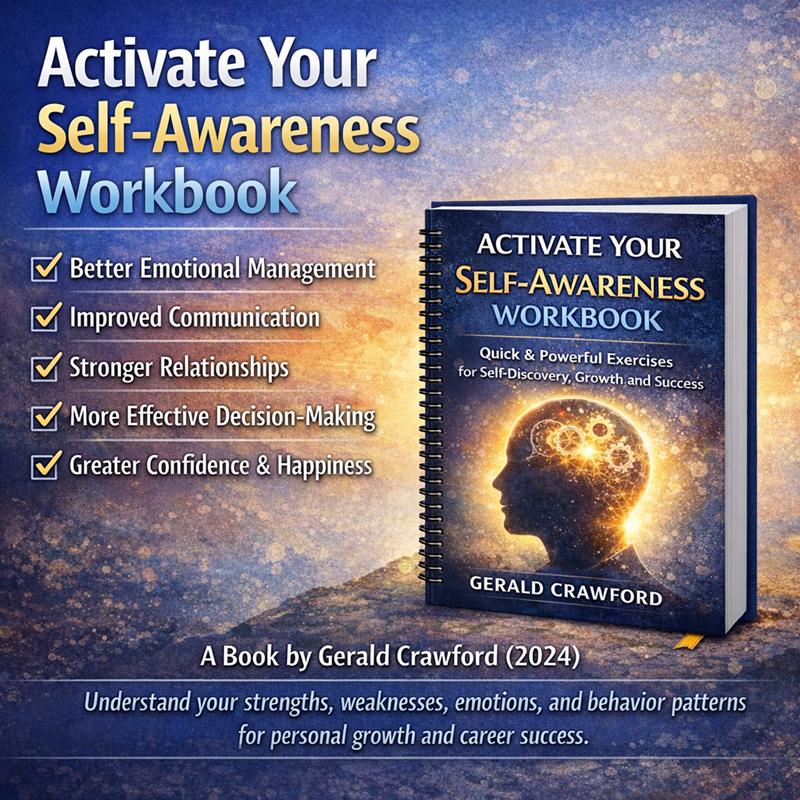
Activating self-awareness leads to better emotional management, improved communication, stronger relationships, more effective decision-making, increased confidence, greater personal happiness, and enhanced career success by helping you understand your strengths, weaknesses, emotions, and patterns of behavior.

Tag: Spiritual Growth

Sustaining Spiritual Growth and Self-Awareness – Journaling prompts for sustaining spiritual growth and self-awareness

Journaling prompts can be a powerful tool for sustaining spiritual growth and self-awareness. By reflecting on your thoughts, feelings, and experiences, you can gain a deeper understanding of yourself and the world around you, and cultivate a more intentional and meaningful approach to living a spiritual life.

Here are some journaling prompts to help you sustain spiritual growth and self-awareness:

Reflecting on Your Spiritual Journey

1. What have I learned about myself and my spiritual practice over the past year?: Reflect on the insights, wisdom, and experiences you’ve gained, and how they’ve shaped your spiritual journey.

2. What are my spiritual goals and intentions for the next year?: Write about the goals and intentions you have for your spiritual practice, and what steps you can take to achieve them.

3. What challenges have I faced on my spiritual journey, and how have I overcome them?: Reflect on the challenges you’ve faced, and how you’ve used them as opportunities for growth and learning.

4. What spiritual practices or activities have I found most helpful in deepening my connection with myself and the world?: Write about the spiritual practices or activities that have helped you cultivate a sense of connection, meaning, and purpose.

5. How have I integrated my spiritual values and principles into my daily life?: Reflect on how you’ve applied your spiritual values and principles to your relationships, work, and daily activities.

Cultivating Self-Awareness and Introspection

1. What are my thoughts, feelings, and physical sensations in this moment?: Take a few moments to tune into your inner experience, and write about what you’re noticing.

2. What are my strengths and weaknesses, and how can I use them to support my spiritual growth?: Reflect on your strengths and weaknesses, and how you can use them to cultivate greater self-awareness, self-acceptance, and self-compassion.

3. What are my values and priorities, and how do they align with my spiritual goals and intentions?: Write about your values and priorities, and how they relate to your spiritual practice and goals.

4. How can I cultivate greater self-compassion and self-forgiveness in my spiritual practice?: Reflect on how you can treat yourself with kindness, understanding, and patience, and how you can let go of self-criticism and self-judgment.

5. What are the ways I can practice mindfulness and presence in my daily life?: Write about the ways you can bring mindfulness and presence into your daily activities, such as eating, walking, or working.

Deepening Your Connection with Others and the World

1. How can I cultivate greater empathy and understanding for others?: Reflect on how you can develop a more compassionate and open-hearted approach to relationships, and how you can use active listening and empathy to deepen your connections with others.

2. What are the ways I can practice gratitude and appreciation for the world around me?: Write about the ways you can cultivate a sense of gratitude and appreciation for the natural world, and how you can use this to deepen your connection with the earth and its rhythms.

3. How can I use my spiritual practice to make a positive impact on the world?: Reflect on how you can use your spiritual practice to cultivate a sense of social responsibility, and how you can use your gifts and talents to make a positive difference in the world.

4. What are the ways I can honor and respect the interconnectedness of all things?: Write about the ways you can recognize and honor the interconnectedness of all beings and the natural world, and how you can use this to deepen your sense of unity and oneness.

5. How can I cultivate a sense of wonder, awe, and curiosity in my spiritual practice?: Reflect on how you can approach your spiritual practice with a sense of curiosity and openness, and how you can use this to deepen your understanding of yourself and the world.

I hope these journaling prompts help you sustain spiritual growth and self-awareness. Remember, spiritual growth is a lifelong journey, and it’s essential to be patient, kind, and compassionate with yourself as you navigate the twists and turns of your path.

Now, I’d like to ask you some questions to help you further explore sustaining spiritual growth and self-awareness. What are the most important spiritual values and principles to you, and how do you apply them to your daily life? How do you cultivate self-awareness and introspection in your spiritual practice, and what benefits have you experienced as a result? What are the ways you can use your spiritual practice to make a positive impact on the world, and how can you integrate your spiritual values and principles into your relationships and daily activities?

Sustaining Spiritual Growth and Self-Awareness – Understanding the importance of community and support

Understanding the importance of community and support is crucial for sustaining spiritual growth and self-awareness. Having a supportive community can provide encouragement, guidance, and accountability, helping you stay motivated and committed to your spiritual practice.

Here are some reasons why community and support are essential for spiritual growth:

Benefits of Community and Support

1. Encouragement and motivation: A supportive community can provide encouragement and motivation, helping you stay committed to your spiritual practice and celebrate your progress.

2. Guidance and mentorship: Experienced spiritual guides or mentors can offer valuable insights, advice, and mentorship, helping you navigate challenges and deepen your understanding of spiritual principles.

3. Accountability and support: A community can provide a sense of accountability, encouraging you to stay on track with your spiritual practice and offering support when faced with challenges or setbacks.

4. Sharing experiences and perspectives: A community can provide a platform for sharing experiences, perspectives, and insights, helping you broaden your understanding of spirituality and learn from others.

5. Spiritual camaraderie: Sharing spiritual experiences and practices with like-minded individuals can foster a sense of spiritual camaraderie, helping you feel connected and supported on your spiritual journey.

Types of Communities and Support

1. Spiritual groups and organizations: Joining a spiritual group or organization can provide a sense of community, guidance, and support, helping you connect with like-minded individuals and deepen your spiritual practice.

2. Online communities and forums: Online communities and forums can offer a convenient and accessible way to connect with others who share your spiritual interests and values.

3. Mentorship and coaching: Working with a spiritual mentor or coach can provide personalized guidance, support, and accountability, helping you navigate your spiritual journey and achieve your goals.

4. Friendships and social connections: Nurturing friendships and social connections with like-minded individuals can provide a sense of community and support, helping you stay motivated and inspired on your spiritual journey.

5. Family and loved ones: Supportive family and loved ones can provide a sense of comfort, encouragement, and accountability, helping you stay committed to your spiritual practice and celebrate your progress.

Challenges of Building and Maintaining Community and Support

1. Finding like-minded individuals: Finding others who share your spiritual interests and values can be challenging, especially if you live in a rural or isolated area.

2. Building and maintaining relationships: Building and maintaining relationships with others can require effort, time, and commitment, which can be challenging in today’s busy world.

3. Differences in perspectives and opinions: Working with others can involve differences in perspectives and opinions, which can be challenging to navigate and may require compromise and understanding.

4. Balancing independence and interdependence: Balancing independence and interdependence can be challenging, as you may need to balance your need for autonomy and self-directed spiritual practice with your need for community and support.

5. Dealing with conflict and disagreements: Conflicts and disagreements can arise in any community, requiring effective communication, empathy, and conflict resolution skills to navigate and resolve.

Tips for Building and Maintaining Community and Support

1. Be open and receptive: Be open and receptive to new relationships, experiences, and perspectives, and be willing to take risks and step outside your comfort zone.

2. Communicate effectively: Communicate effectively and honestly with others, and be willing to listen and learn from their perspectives and experiences.

3. Respect differences: Respect differences in perspectives, opinions, and values, and be willing to find common ground and compromise when necessary.

4. Prioritize self-care: Prioritize self-care and ensure that you’re taking care of your physical, emotional, and spiritual needs, which can help you maintain a sense of balance and well-being in your relationships and community.

5. Be patient and flexible: Be patient and flexible, and recognize that building and maintaining community and support takes time, effort, and commitment.

I hope this helps you understand the importance of community and support for sustaining spiritual growth and self-awareness. Remember, community and support can provide a sense of belonging, encouragement, and guidance, helping you stay motivated and committed to your spiritual practice.

Now, I’d like to ask you some questions to help you further explore the importance of community and support. What types of communities and support systems have you found most helpful on your spiritual journey? How do you balance your need for independence and autonomy with your need for community and support? What challenges have you faced in building and maintaining community and support, and how have you overcome them?

Back a Buddy Show your Support