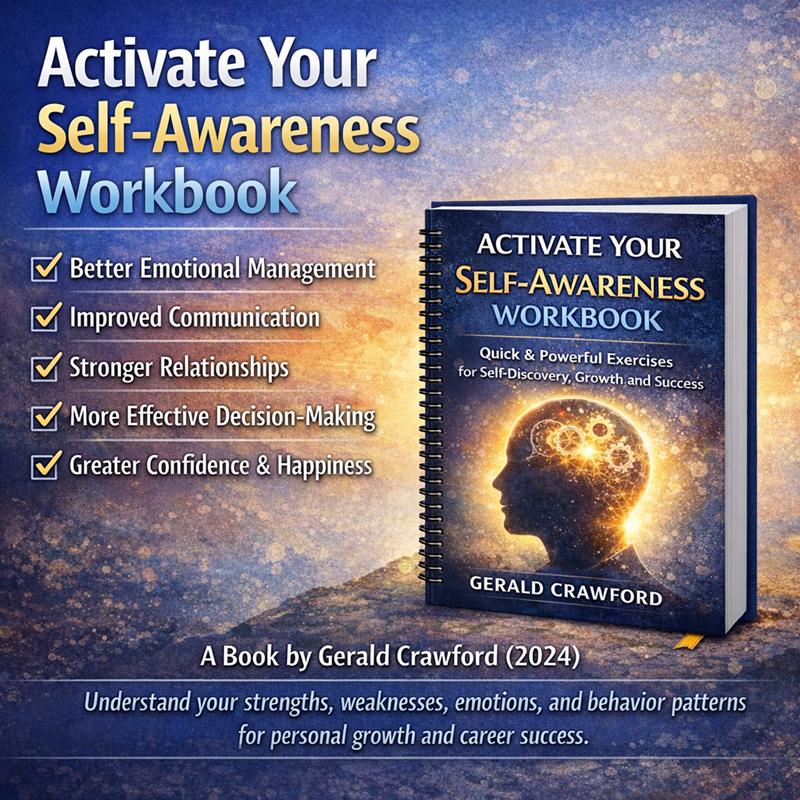
Activating self-awareness leads to better emotional management, improved communication, stronger relationships, more effective decision-making, increased confidence, greater personal happiness, and enhanced career success by helping you understand your strengths, weaknesses, emotions, and patterns of behavior.

Tag: emotional management

Improve your Emotional Management with Self-awareness.

Emotional management begins with self-awareness. You cannot regulate what you do not recognize. When you become aware of your thoughts, emotional triggers, and internal patterns, you gain the power to respond instead of react.

Here is a clear and practical framework you can use personally or teach in your Emotional Intelligence work:


Recognize Before You React

Most emotional damage happens in the first 90 seconds of reaction.

Practice:

  • Pause.

  • Name the emotion: “I feel frustrated.”

  • Identify the trigger: “I feel ignored.”

Research inspired by emotional intelligence frameworks popularized by Daniel Goleman shows that labeling emotions reduces their intensity.

Key Question:
What am I really feeling beneath this reaction?


Understand the Root, Not Just the Reaction

Every strong emotion carries a story:

  • Anger often hides hurt.

  • Control often hides fear.

  • Withdrawal often hides rejection.

Self-awareness exercise:

  • What belief is driving this emotion?

  • Is this about today — or something older?

Patterns often repeat until they are consciously examined.


Shift from Reaction to Response

Self-aware individuals:

  • Slow down decisions when emotional.

  • Avoid sending messages while triggered.

  • Ask clarifying questions instead of assuming.

Instead of:

“You never listen!”

Try:

“I feel unheard when I’m interrupted.”

This shifts from blame to ownership.


Build Emotional Regulation Habits

Self-awareness must become daily practice.

Daily tools:

  • 5 minutes of mindful breathing

  • Journaling emotional triggers

  • Body scanning (Where do I feel this emotion physically?)

  • Gratitude reflection

The nervous system calms when awareness replaces suppression.


Develop Emotional Accountability

Emotional maturity means:

  • Owning your reactions

  • Apologizing when necessary

  • Repairing quickly

  • Learning from patterns

Self-awareness transforms emotional chaos into emotional leadership.


Emotional Management Formula

Awareness → Pause → Reflection → Choice → Growth

Without awareness, emotions control you.
With awareness, you lead yourself.

Better emotional management, communication, relationships, decision-making, confidence, happiness and you understanding your strengths and weaknesses.

It seems like you’re interested in personal development and self-improvement. The areas you’ve listed are all important aspects of personal growth and can have a significant impact on one’s overall well-being and quality of life.

Here are some strategies that can help with each of these areas:

1. Better Emotional Management: Practicing mindfulness, meditation, and self-reflection can help you become more aware of your emotions and manage them more effectively. Learning to recognize and accept your emotions, rather than suppressing or denying them, can also be helpful.

2. Improved Communication: Active listening, asking open-ended questions, and clarifying expectations can all help improve communication in personal and professional relationships. Being aware of nonverbal cues and practicing assertive communication can also be beneficial.

3. Stronger Relationships: Building strong relationships involves being empathetic, supportive, and trustworthy. Practicing effective communication, being reliable, and showing appreciation for others can all help foster stronger relationships.

4. Better Decision-Making: Taking the time to weigh the pros and cons of a decision, considering different perspectives, and trusting your instincts can all help improve decision-making skills. Practicing self-reflection and learning from past experiences can also be helpful.

5. Increased Confidence: Building self-confidence involves recognizing and leveraging your strengths, learning from failures, and practicing self-compassion. Setting achievable goals and celebrating successes can also help boost confidence.

6. Greater Happiness: Focusing on the present moment, practicing gratitude, and engaging in activities that bring joy and fulfillment can all contribute to greater happiness. Building strong relationships, taking care of physical and mental health, and pursuing personal growth can also help.

7. Understanding Your Strengths and Weaknesses: Practicing self-reflection, seeking feedback from others, and taking personality assessments can all help you gain a better understanding of your strengths and weaknesses. Focusing on developing your strengths and working on areas for improvement can help you grow both personally and professionally.

Some key takeaways for achieving personal growth in these areas include:

* Being self-aware and reflective

* Practicing effective communication and active listening

* Building strong relationships and networks

* Focusing on personal development and continuous learning

* Embracing challenges and learning from failures

* Prioritizing self-care and mental health

Remember, personal growth is a lifelong journey, and it’s okay to take things one step at a time. By focusing on these areas and being patient and kind to yourself, you can cultivate greater emotional intelligence, build stronger relationships, and achieve greater overall well-being.

Back a Buddy Show your Support