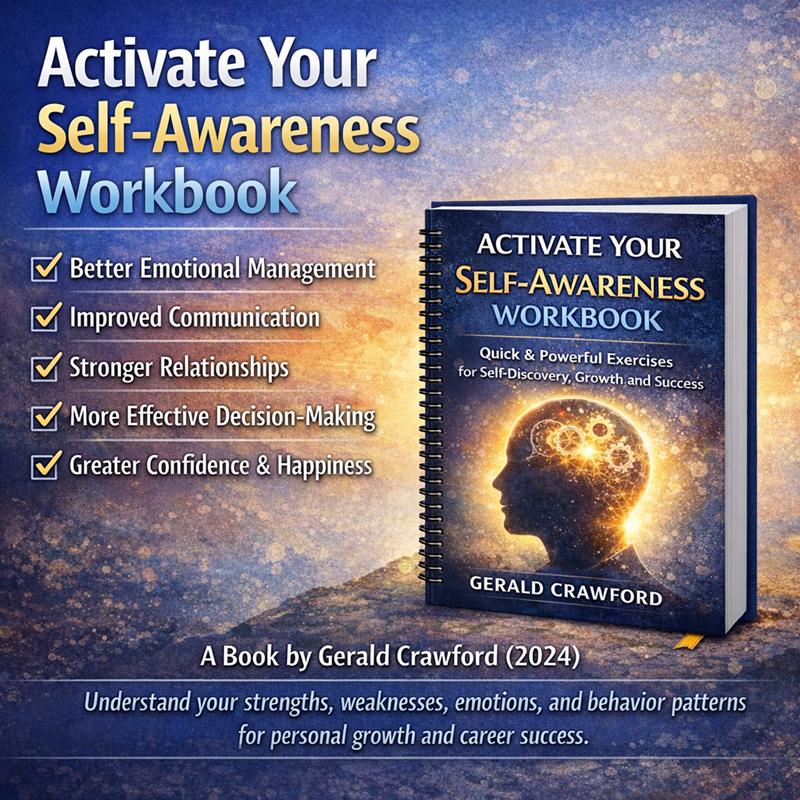
Activating self-awareness leads to better emotional management, improved communication, stronger relationships, more effective decision-making, increased confidence, greater personal happiness, and enhanced career success by helping you understand your strengths, weaknesses, emotions, and patterns of behavior.

Category: (SA Model) Press Kit (Page 3 of 16)

Self-awareness Teaching and Education Model (EFT Model) – Module 11 – Values, Meaning & Life Direction 11 of 14

Module 11 is where healing turns into direction.
After release and closure (Module 10), learners are finally clear enough to ask: “How do I want to live now?”

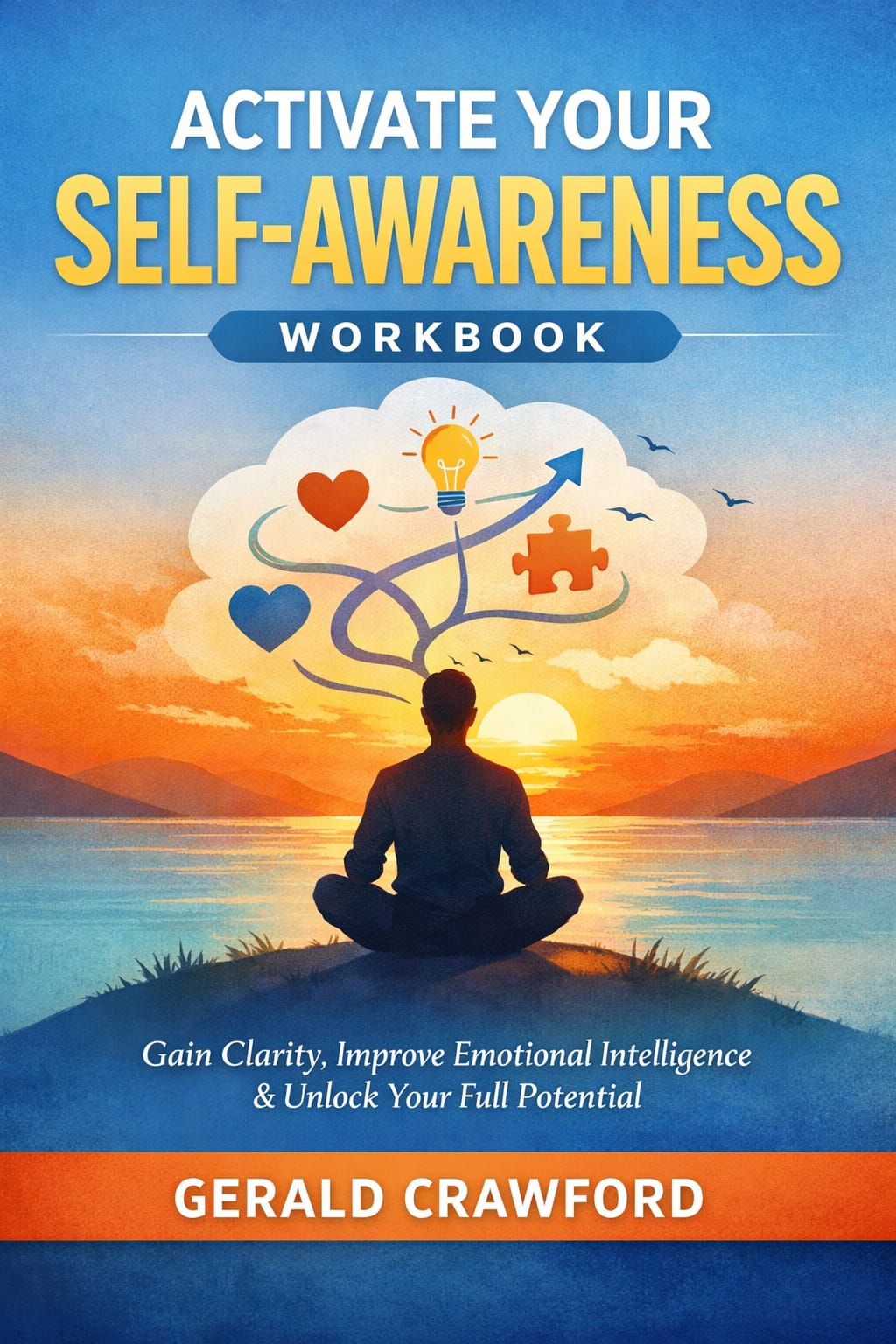
Below is Module 11 fully expanded, facilitator-ready, and aligned with Modules 1–10, grounded in the EFT Teaching & Education Model and Activate Your Self-awareness Workbook.


Self-awareness Teaching and Education Model (EFT Model)

Module 11 (11 of 14): Values, Meaning & Life Direction

Theme

Living aligned


Purpose of Module 11

Many people feel stuck not because they lack ability — but because they lack inner alignment.

This module helps learners move from:

  • Reacting → choosing

  • Drifting → directing

  • Pleasing → aligning

When values are clear, decisions become simpler — even when they’re difficult.


Learning Focus (Expanded)

1. Clarifying Values

Learners explore the difference between:

  • Values (how I want to live)

  • Goals (what I want to achieve)

  • Expectations (what others want from me)

Key teaching points:

  • Values are internal and stable

  • Values guide behaviour across situations

  • Misalignment creates exhaustion and resentment

Examples of core values explored:

  • Integrity

  • Freedom

  • Connection

  • Growth

  • Compassion

  • Creativity

  • Stability

  • Contribution

A value is something you live, not something you achieve.


2. Decision-Making from Awareness

Learners reflect on how decisions are often made:

  • From fear

  • From guilt

  • From habit

  • From pressure

They learn a new decision-making filter:

  • Is this aligned with my values?

  • Does this honour my energy and wellbeing?

  • Am I choosing from fear or clarity?

Important reframe:

Aligned decisions feel calmer — even when they are uncomfortable.


EFT Focus (Expanded)

Clearing Confusion & Fear of Choice

Fear often blocks clarity, not lack of information.

Common fears explored:

  • Fear of making the wrong decision

  • Fear of disappointing others

  • Fear of regret

  • Fear of responsibility

EFT is used to:

  • Calm the nervous system

  • Reduce pressure to “get it right”

  • Restore trust in inner guidance

Key EFT principle:

When fear softens, clarity emerges naturally.


Key Outcomes (Expanded)

By the end of Module 11, the learner:

  • Clarifies core personal values
  • Understands misalignment as a source of stress
  • Feels more confident in decision-making
  • Experiences greater life direction
  • Makes purpose-driven, values-based choices

Practice Section (Facilitator-Ready)

Values Clarification Exercise

Learners are guided through a reflective process.

Steps:

  1. Identify moments in life that felt meaningful or energising

  2. Ask: What value was being honoured here?

  3. Identify moments of resentment or burnout

  4. Ask: What value was being violated or ignored?

Reflection Prompts:

  • What values feel non-negotiable for me now?

  • Which values do I want my decisions to reflect?

  • Where am I currently living out of alignment?

Key instruction:

Values evolve — clarity comes from honesty, not perfection.


EFT Tapping – Uncertainty & Fear of Choice

Setup Statement (Karate Chop):

“Even though I feel uncertain or afraid about making the right choices, and part of me worries about getting it wrong, I choose to calm my system and trust my growing awareness.”

(Repeat 3 times)

Tapping Points (Short Phrases):

  • Eyebrow: This uncertainty

  • Side of Eye: This fear of choosing

  • Under Eye: What if I get it wrong?

  • Under Nose: This pressure

  • Chin: I don’t need certainty

  • Collarbone: I need alignment

  • Under Arm: I can choose from awareness

  • Top of Head: Trusting my inner guidance

Integration Pause:

Invite learners to notice:

  • Does the decision feel lighter?

  • Is there more calm or clarity?

  • Does the body feel more settled?


Facilitator Notes (Optional)

  • Emphasise values over outcomes

  • Normalise fear — clarity grows gradually

  • Discourage rushed decisions

  • Reinforce inner authority and trust

  • Avoid “right vs wrong” framing


Daily Integration Practice

For the next few days, learners practise:

  • Asking before decisions:
    “Which value does this serve?”

  • Noticing how alignment feels in the body

  • Allowing small, values-based choices to build confidence

Alignment is practised, not declared.


Core Message of Module 11

When you live aligned with your values,
your life begins to make sense again.
Self-awareness Teaching and Education Model (EFT Model) – Module 10 – Forgiveness & Emotional Release 10 of 14

Module 10 is a turning point.
This is where learners stop carrying emotional weight from the past and begin to experience lightness, closure, and forward movement.

Below is Module 10 fully expanded, facilitator-ready, and aligned with Modules 1–9, grounded in the EFT Teaching & Education Model and Activate Your Self-awareness Workbook.


Self-awareness Teaching and Education Model (EFT Model)

Module 10 (10 of 14): Forgiveness & Emotional Release

Theme

Letting go to move forward


Purpose of Module 10

After learning boundaries (Module 9), learners are now ready for emotional completion.

This module reframes forgiveness in a radically different way:

Forgiveness is not about excusing, forgetting, or reconciling —
it is about freeing yourself from carrying unresolved emotional pain.

This is self-liberation, not moral obligation.


Learning Focus (Expanded)

1. Forgiveness as Self-Liberation

Learners explore common myths about forgiveness:

  • “If I forgive, what happened was okay”

  • “Forgiveness means reconciliation”

  • “I must forgive to be spiritual”

  • “I should be over this by now”

These myths are gently dismantled.

Forgiveness is redefined as:

  • Releasing emotional charge

  • Ending internal replay

  • Letting the nervous system complete unfinished responses

You forgive for you, not for them.


2. Emotional Completion

Learners learn that emotions need:

  • Expression

  • Acknowledgement

  • Completion

When emotions are suppressed or interrupted:

  • They stay stored in the body

  • They replay through triggers

  • They drain energy and attention

Emotional completion means:

  • Allowing the emotion to be felt safely

  • Letting the body finish what it couldn’t then

  • Closing the loop

Unfelt emotions don’t disappear — they wait.


EFT Focus (Expanded)

Releasing Stored Emotional Pain

EFT is used to:

  • Gently access unresolved emotional wounds

  • Reduce intensity without retraumatisation

  • Create safety while remembering

Key EFT principles taught:

  • We work in layers

  • We stay within tolerance

  • We stop before overwhelm

Learners are reminded:

Healing does not require reliving — only feeling safely.


Key Outcomes (Expanded)

By the end of Module 10, the learner:

  • Understands forgiveness as self-care
  • Experiences emotional lightness
  • Releases stored emotional pain
  • Feels greater closure and peace
  • Stops replaying unresolved emotional stories

Practice Section (Facilitator-Ready)

Forgiveness Journaling (Without Pressure)

Learners are guided to write for themselves only.

Prompts:

  1. What situation or person still carries emotional charge for me?

  2. What emotion do I still feel (anger, sadness, betrayal, grief)?

  3. What did this experience cost me emotionally?

  4. What do I wish I could say but never did?

  5. What am I ready to release — even a little?

Important instruction:

Forgiveness begins with honesty, not positivity.


EFT Tapping – Unresolved Emotional Wounds

Setup Statement (Karate Chop):

“Even though I still carry emotional pain from this experience, and part of me has been holding onto it for protection, I choose to acknowledge what I feel and allow this emotional burden to soften.”

(Repeat 3 times)

Tapping Points (Short Phrases):

  • Eyebrow: This unresolved pain

  • Side of Eye: I’ve been carrying it

  • Under Eye: It still affects me

  • Under Nose: I didn’t get closure

  • Chin: And that hurt

  • Collarbone: I’m allowed to feel this

  • Under Arm: Letting the weight lighten

  • Top of Head: I choose release and peace

Integration Pause:

Invite learners to notice:

  • Is the emotional charge lower?

  • Is the memory less intense?

  • Is there more space or neutrality?

No forcing. No rushing.


Facilitator Notes (Optional)

  • Never push forgiveness

  • Honour anger, grief, and sadness

  • Remind learners: release can happen in stages

  • Normalise returning emotions — that’s layering, not failure

  • Keep emphasis on safety and choice


Daily Integration Practice

For the next few days, learners practise:

  • Noticing when old stories replay

  • Gently saying:
    “This no longer needs to live in me.”

  • Taking a slow breath and releasing tension from the body

Small releases accumulate.


Core Message of Module 10

Forgiveness is not about letting someone off the hook —
it is about taking yourself off the hook.

« Older posts Newer posts »
Back a Buddy Show your Support