
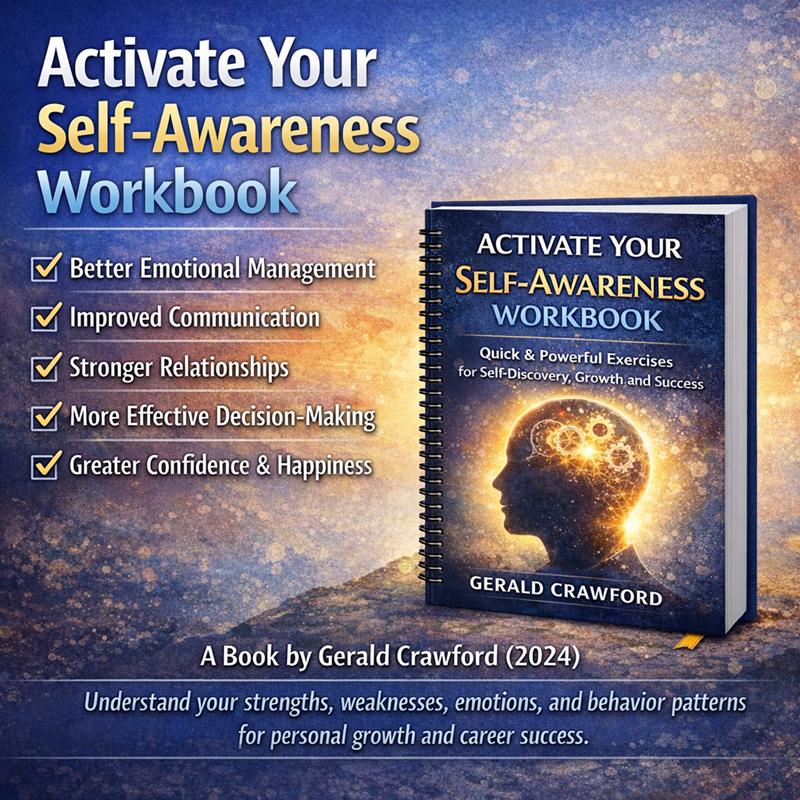
Activating self-awareness leads to better emotional management, improved communication, stronger relationships, more effective decision-making, increased confidence, greater personal happiness, and enhanced career success by helping you understand your strengths, weaknesses, emotions, and patterns of behavior.

Category: (SA Model) (Page 1 of 2)

Case Study 213: Healing the 3 Generation Wealth Pattern in Family’s with Self-awareness – Real World Building Legacy and Generational Wealth

Case Study 213

Healing the 3-Generation Wealth Pattern with Self-Awareness

A Real-World Framework for Building Legacy & Generational Wealth


The 3-Generation Wealth Pattern Explained

Across global cultures, a recurring pattern appears:
  • Generation 1 – The Builder: Creates wealth through sacrifice.
  • Generation 2 – The Preserver: Maintains wealth under pressure.
  • Generation 3 – The Spender or Disconnect: Lacks emotional connection to the wealth creation story.

The breakdown rarely happens because of poor financial products.

It happens because:

  • Identity is not formed.
  • Emotional intelligence is undeveloped.
  • Wealth values are not transferred.
  • Self-awareness is absent.

Real-World Case: The Jacobs Family (Cape Town, South Africa)

Generation 1 – The Builder (Patriarch)

  • Started a construction company during difficult economic times.
  • Lived frugally.
  • Worked relentlessly.
  • Rarely expressed emotions.

Core Belief:
“Money protects the family from suffering.”


Generation 2 – The Manager (Daughter)

  • Studied business.
  • Took over company operations.
  • Felt obligated rather than inspired.
  • Avoided conflict about succession planning.

Core Belief:
“If I disappoint my father, I fail the family.”


Generation 3 – The Disengaged Heirs (Two Sons)

  • International education.
  • No direct involvement in company.
  • High lifestyle spending.
  • Lack of financial discipline.

Core Belief:
“The business will always provide.”


The Crisis Trigger

  • Business profitability declining.
  • Internal family tension rising.
  • One grandson requested early access to inheritance for speculative investments.
  • No governance structure in place.

The family sought structured intervention before irreversible damage occurred.


The Self-Awareness Intervention Framework


Phase 1: Individual Wealth Identity Assessment

Each member explored:
  • Earliest money memories.
  • Emotional triggers around spending and saving.
  • Fear patterns (loss, approval, failure).
  • Relationship between self-worth and wealth.

Discovery:

The grandchildren were not irresponsible — they were disconnected from the origin story of sacrifice.

The daughter was operating from inherited pressure rather than purpose.


Phase 2: Family Narrative Reconstruction

Facilitated family dialogue sessions focused on:

  • The origin story of the business.
  • Near-failure experiences.
  • Emotional cost of building wealth.
  • Silent expectations.

For the first time:

  • The patriarch shared bankruptcy scares.
  • The daughter expressed burnout.
  • The sons admitted feeling excluded from real decision-making.

Trust began replacing tension.


Phase 3: Structural Wealth Governance

Concrete steps implemented:
  1. Formal family constitution drafted.
  2. Clear succession roadmap created.
  3. Education milestones required before inheritance access.
  4. Independent advisory board established.
  5. Quarterly intergenerational meetings institutionalized.

Phase 4: Purpose-Driven Legacy Alignment

The family defined a unified Legacy Vision:

“We build wealth to create stability, opportunity, and impact for future generations.”

The next generation was invited to:

  • Develop new divisions within the company.
  • Launch innovation projects.
  • Participate in philanthropic leadership.

Ownership shifted from entitlement to stewardship.


Measurable 4-Year Outcomes

  • Revenue growth stabilized and increased by 28%.
  • Reduced lifestyle overspending among Gen 3.
  • Increased next-generation involvement in governance.
  • Family conflict significantly reduced.
  • Clear leadership succession plan formalized.

Key Insight

Wealth without self-awareness leads to erosion.

Wealth with self-awareness leads to continuity.

Self-awareness creates:

  • Emotional intelligence
  • Financial discipline
  • Identity clarity
  • Shared mission
  • Long-term stewardship

The Generational Legacy Formula

  1. Awareness of inherited beliefs.
  2. Healing of emotional money trauma.
  3. Education before entitlement.
  4. Governance before growth.
  5. Purpose beyond profit.

Final Reflection

Money can be transferred in a document.

Legacy must be transferred through dialogue, identity, and consciousness.

Generational wealth is not sustained by assets alone — it is sustained by self-aware leadership across time.

12 Month Program – Successfully Generational Wealth Saved, Re-shaped, and Re-directed of R215 million in the Jacobs Family with a Self-awareness plan.

Case Study 212: Healing the 3 Generation Wealth Pattern in Family’s with Self-awareness – Real World Building Legacy and Generational Wealth

Case Study 212

Healing the 3-Generation Wealth Pattern with Self-Awareness

A Real-World Model for Building Legacy & Generational Wealth


Understanding the 3-Generation Wealth Reality

Across cultures, a common pattern exists:
  • Generation 1 – The Builder (Sacrifice & Survival)
  • Generation 2 – The Manager (Pressure & Preservation)
  • Generation 3 – The Consumer (Comfort & Confusion)

Research in family business studies consistently shows that wealth erosion is rarely about poor investment strategy. It is about:

  • Emotional disconnection
  • Lack of financial education
  • Undefined family identity
  • Absence of shared purpose

The missing ingredient? Self-awareness.


Real-World Case: The Dlamini Family (Johannesburg, South Africa)

Generation 1 – The Builder (Grandfather)

  • Built a logistics company from nothing.
  • Worked 16-hour days.
  • Operated from survival mindset.
  • Rarely discussed finances openly.

Hidden Belief:
“If I lose money, we lose everything.”


Generation 2 – The Preserver (Son)

  • Inherited the company.
  • Well educated but emotionally distant from father.
  • Felt burdened by expectations.
  • Avoided discussing succession planning.

Hidden Belief:
“I must not fail.”


Generation 3 – The Beneficiary (Grandchildren)

  • Private schooling.
  • Access to luxury lifestyle.
  • No structured financial literacy training.
  • Social comparison pressure.

Hidden Belief:
“Money will always be there.”


The Breaking Point

At age 27, the eldest grandson accumulated significant personal debt despite family wealth.

The business also began declining due to:

  • Poor communication.
  • No succession clarity.
  • Lack of innovation.

The family sought intervention — not financial restructuring first — but psychological restructuring.


The Self-Awareness Intervention Model


Phase 1: Personal Money Story Awareness

Each family member completed:
  • Money timeline exercise
  • Emotional trigger mapping
  • Wealth identity profiling

Breakthrough Discoveries:

  • Gen 1 operated from trauma of childhood poverty.
  • Gen 2 equated wealth with pressure and approval.
  • Gen 3 equated wealth with lifestyle identity.

The family recognized that they were not fighting about money — they were fighting about fear and identity.


Phase 2: Intergenerational Dialogue & Transparency

Facilitated sessions focused on:

  • Sharing sacrifice stories.
  • Clarifying expectations.
  • Defining roles.
  • Transparent financial education.

For the first time:

  • The grandfather explained how many times he almost went bankrupt.
  • The son admitted burnout.
  • The grandson admitted insecurity and lack of direction.

Emotional walls dissolved.


Phase 3: Structural Realignment

Practical actions implemented:
  1. Formal succession plan.
  2. Creation of a family constitution.
  3. Mandatory financial literacy certification before access to trust funds.
  4. Independent board advisors added to company.
  5. Quarterly family governance meetings.

Phase 4: Purpose & Legacy Alignment

The family defined:

Legacy Statement:
“We build wealth to create opportunity, dignity, and impact beyond ourselves.”

They launched:

  • A youth entrepreneurship foundation.
  • A mentorship program within their company.
  • A next-generation innovation lab.

The grandson started a tech logistics division — modernizing the business.


Measurable Results (5-Year Outcome)

  • Business revenue increased by 34%.
  • Personal debt of Gen 3 eliminated.
  • Formal governance structure stabilized assets.
  • Family conflict significantly reduced.
  • Philanthropic foundation operational.
  • Clear succession plan documented.

The Core Insight

Wealth without self-awareness breeds entitlement.
Wealth with self-awareness builds legacy.

Self-awareness enables:

  • Emotional maturity
  • Responsible stewardship
  • Identity formation
  • Vision beyond consumption

The Real-World Generational Wealth Formula

  1. Heal inherited fear.
  2. Develop financial literacy intentionally.
  3. Create governance before crisis.
  4. Tie wealth to purpose, not lifestyle.
  5. Build identity before inheritance access.

Final Reflection

Money transfers assets.
Self-awareness transfers wisdom.

Generational wealth is not built by numbers alone — it is built by conscious leadership across generations.

18 Month Program – Successfully Generational Wealth Saved, Re-shaped, and Re-directed of R400 million in the Dlamini Family with a Self-awareness plan.

« Older posts
Back a Buddy Show your Support