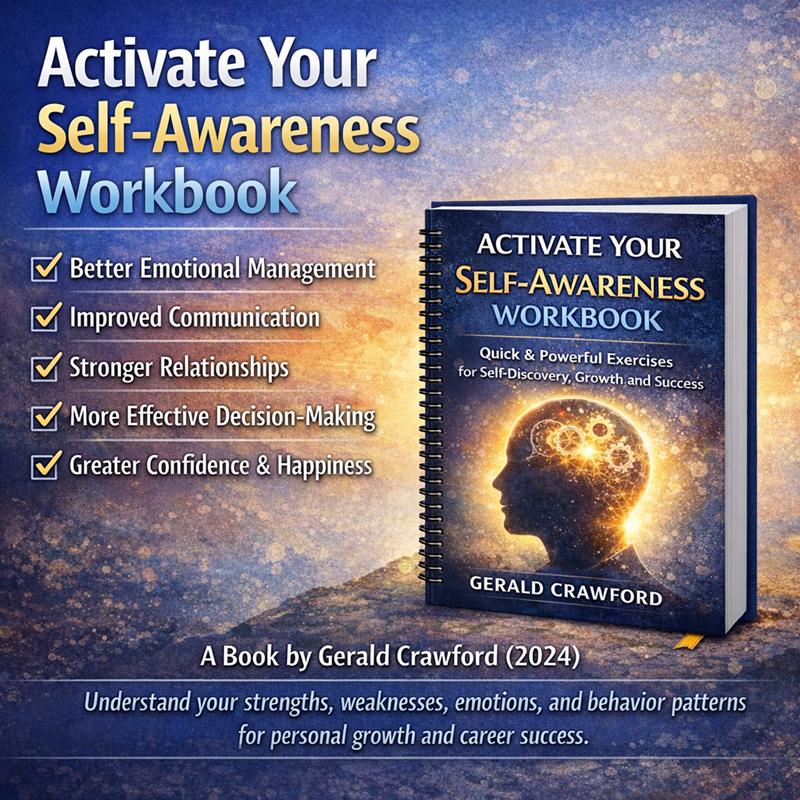
Activating self-awareness leads to better emotional management, improved communication, stronger relationships, more effective decision-making, increased confidence, greater personal happiness, and enhanced career success by helping you understand your strengths, weaknesses, emotions, and patterns of behavior.

Category: Cultivating Self-Love and Self-Acceptance (Page 2 of 2)

Cultivating Self-Love and Self-Acceptance – Practicing self-compassion and self-forgiveness

Practicing self-compassion and self-forgiveness is a powerful way to cultivate self-love and self-acceptance. When we treat ourselves with kindness, understanding, and compassion, we create a foundation for spiritual growth, healing, and transformation.

The Importance of Self-Compassion

Self-compassion is the practice of treating ourselves with the same kindness, care, and concern that we would offer to a good friend. When we cultivate self-compassion, we:

1. Develop a positive self-image: Self-compassion helps us to develop a positive self-image, which is essential for self-love and self-acceptance.

2. Reduce self-criticism and judgment: Self-compassion helps us to reduce self-criticism and judgment, and to treat ourselves with kindness and understanding.

3. Increase resilience and adaptability: Self-compassion helps us to develop resilience and adaptability, which enables us to navigate challenges and setbacks with greater ease.

4. Enhance our emotional well-being: Self-compassion helps us to regulate our emotions, reduce stress and anxiety, and increase our overall sense of well-being.

Practicing Self-Compassion

Here are some ways to practice self-compassion:

1. Treat yourself with kindness: Speak to yourself with kindness, care, and concern, just as you would to a good friend.

2. Practice mindfulness and self-awareness: Develop mindfulness and self-awareness to recognize your thoughts, emotions, and physical sensations, and to respond to them with kindness and compassion.

3. Engage in self-care activities: Engage in activities that nourish your mind, body, and spirit, such as meditation, yoga, or spending time in nature.

4. Write yourself a letter: Write yourself a letter of kindness, care, and concern, and read it regularly to cultivate self-compassion.

5. Practice self-forgiveness: Practice self-forgiveness by acknowledging your mistakes, and treating yourself with kindness and compassion, rather than judgment and criticism.

The Importance of Self-Forgiveness

Self-forgiveness is the practice of letting go of guilt, shame, and self-criticism, and treating ourselves with kindness, understanding, and compassion. When we cultivate self-forgiveness, we:

1. Release negative emotions and energy: Self-forgiveness helps us to release negative emotions and energy, and to create space for positive emotions and experiences.

2. Develop a sense of closure and completion: Self-forgiveness helps us to develop a sense of closure and completion, and to move forward with greater ease and clarity.

3. Increase self-acceptance and self-love: Self-forgiveness helps us to increase self-acceptance and self-love, and to treat ourselves with kindness and compassion.

4. Enhance our relationships with others: Self-forgiveness helps us to enhance our relationships with others, by letting go of resentment, anger, and hurt.

Practicing Self-Forgiveness

Here are some ways to practice self-forgiveness:

1. Acknowledge your mistakes: Acknowledge your mistakes, and take responsibility for them, rather than denying or justifying them.

2. Let go of guilt and shame: Let go of guilt and shame, and treat yourself with kindness and compassion, rather than judgment and criticism.

3. Practice self-compassion: Practice self-compassion by speaking to yourself with kindness, care, and concern, and by engaging in self-care activities.

4. Create a ritual of self-forgiveness: Create a ritual of self-forgiveness, such as writing a letter, lighting a candle, or saying a prayer, to acknowledge your mistakes and to let go of negative emotions and energy.

5. Seek support from others: Seek support from others, such as friends, family, or a therapist, to help you practice self-forgiveness and to develop a greater sense of self-acceptance and self-love.

Common Barriers to Self-Compassion and Self-Forgiveness

Here are some common barriers to self-compassion and self-forgiveness:

1. Negative self-talk and self-criticism: Negative self-talk and self-criticism can make it challenging to practice self-compassion and self-forgiveness.

2. Perfectionism and self-expectations: Perfectionism and high self-expectations can make it difficult to acknowledge mistakes and to practice self-forgiveness.

3. Fear of vulnerability and intimacy: Fear of vulnerability and intimacy can make it challenging to practice self-compassion and self-forgiveness, and to seek support from others.

4. Past trauma and wounds: Unhealed past trauma and wounds can make it difficult to practice self-compassion and self-forgiveness, and to develop a positive self-image.

5. Lack of self-awareness and mindfulness: Lack of self-awareness and mindfulness can make it challenging to recognize the need for self-compassion and self-forgiveness, and to practice these skills effectively.

I hope this helps. Remember, practicing self-compassion and self-forgiveness is a journey, and it’s okay to take your time and be patient with yourself. With kindness, understanding, and compassion, you can cultivate a deeper sense of self-love and self-acceptance, and unlock the doors to spiritual growth and fulfillment.

Now, I’d like to ask you some questions to help you further explore your relationship with self-compassion and self-forgiveness. What are some common barriers to self-compassion and self-forgiveness that you’ve experienced in your own life? How do you think self-compassion and self-forgiveness have impacted your spiritual growth and connection? What practices or techniques do you find most helpful in cultivating self-compassion and self-forgiveness?

Cultivating Self-Love and Self-Acceptance – Understanding the importance of self-love and self-acceptance on spiritual growth

Cultivating self-love and self-acceptance is a crucial aspect of spiritual growth. When we love and accept ourselves, we open ourselves up to a deeper level of connection with the universe and with others.

Self-love and self-acceptance are essential for building a strong foundation for spiritual growth, and for navigating the challenges and opportunities that come with it.

The Importance of Self-Love

Self-love is not about being selfish or self-centered; it’s about having a deep appreciation and acceptance of ourselves, just as we are. When we love ourselves, we are more likely to:

1. Take care of our physical, emotional, and spiritual needs: We are more likely to prioritize our well-being and make choices that support our growth and happiness.

2. Be more compassionate and understanding towards others: When we love and accept ourselves, we are more likely to extend that same love and acceptance to others.

3. Be more resilient and adaptable: Self-love helps us to develop a sense of inner strength and resilience, which enables us to navigate challenges and setbacks with greater ease.

4. Be more authentic and true to ourselves: When we love ourselves, we are more likely to be honest and authentic, and to express ourselves in a way that is true to who we are.

The Importance of Self-Acceptance

Self-acceptance is about acknowledging and accepting our strengths, weaknesses, and limitations, just as they are. When we accept ourselves, we are more likely to:

1. Let go of self-criticism and judgment: We are more likely to release the need to criticize or judge ourselves, and instead, focus on self-compassion and understanding.

2. Develop a sense of self-worth and self-value: Self-acceptance helps us to develop a sense of self-worth and self-value, which is not based on external validation or achievement.

3. Be more open to learning and growth: When we accept ourselves, we are more likely to be open to learning and growth, and to see challenges as opportunities for expansion and development.

4. Be more at peace with ourselves and the world: Self-acceptance helps us to cultivate a sense of inner peace and acceptance, which enables us to navigate life’s challenges with greater ease and clarity.

How to Cultivate Self-Love and Self-Acceptance

Here are some tips for cultivating self-love and self-acceptance:

1. Practice self-care and self-compassion: Take time to nurture and care for yourself, and to offer yourself kindness and understanding.

2. Focus on your strengths and positive qualities: Rather than dwelling on your weaknesses or limitations, focus on your strengths and positive qualities, and celebrate them.

3. Let go of self-criticism and judgment: Practice self-forgiveness and self-acceptance, and let go of the need to criticize or judge yourself.

4. Develop a growth mindset: View challenges and setbacks as opportunities for growth and learning, and be open to new experiences and perspectives.

5. Surround yourself with positive and supportive people: Surround yourself with people who support and uplift you, and who help you to feel good about yourself.

Common Barriers to Self-Love and Self-Acceptance

Here are some common barriers to self-love and self-acceptance:

1. Negative self-talk and self-criticism: Negative self-talk and self-criticism can be major barriers to self-love and self-acceptance.

2. Low self-esteem and self-worth: Feeling inadequate or unworthy can make it difficult to cultivate self-love and self-acceptance.

3. Fear of vulnerability and intimacy: Fear of being vulnerable or intimate with others can make it challenging to open ourselves up to self-love and self-acceptance.

4. Perfectionism and self-expectations: Having high expectations of ourselves or others can lead to disappointment and self-criticism, which can be barriers to self-love and self-acceptance.

5. Past trauma and wounds: Unhealed past trauma and wounds can make it challenging to cultivate self-love and self-acceptance.

The Connection between Self-Love, Self-Acceptance, and Spiritual Growth

Cultivating self-love and self-acceptance is essential for spiritual growth, as it allows us to:

1. Develop a sense of inner peace and harmony: Self-love and self-acceptance help us to cultivate a sense of inner peace and harmony, which is essential for spiritual growth and connection.

2. Connect with our higher selves and the universe: When we love and accept ourselves, we are more likely to feel a sense of connection to our higher selves and the universe, which is essential for spiritual growth and evolution.

3. Navigate challenges and setbacks with greater ease: Self-love and self-acceptance help us to develop resilience and adaptability, which enables us to navigate challenges and setbacks with greater ease and clarity.

4. Embody our true nature and purpose: When we love and accept ourselves, we are more likely to embody our true nature and purpose, which is essential for spiritual growth and fulfillment.

I hope this helps. Remember, cultivating self-love and self-acceptance is a journey, and it’s okay to take your time and be patient with yourself. With self-compassion, self-awareness, and a willingness to grow, you can develop a deeper sense of self-love and self-acceptance, and unlock the doors to spiritual growth and fulfillment.

Now, I’d like to ask you some questions to help you further explore your relationship with self-love and self-acceptance. What are some common barriers to self-love and self-acceptance that you’ve experienced in your own life? How do you think self-love and self-acceptance have impacted your spiritual growth and connection? What practices or techniques do you find most helpful in cultivating self-love and self-acceptance?

Newer posts »
Back a Buddy Show your Support