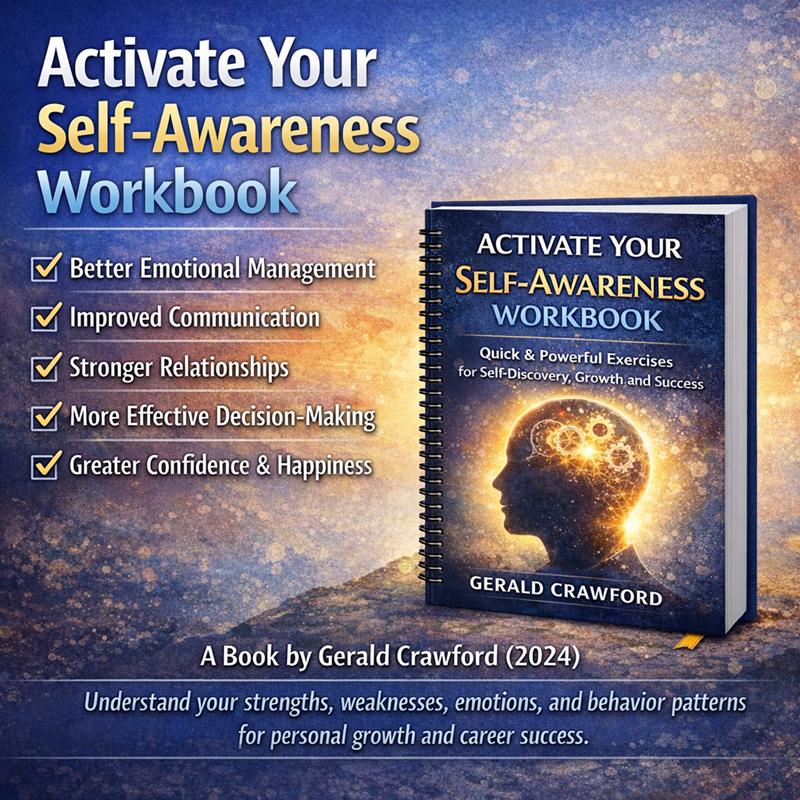
Activating self-awareness leads to better emotional management, improved communication, stronger relationships, more effective decision-making, increased confidence, greater personal happiness, and enhanced career success by helping you understand your strengths, weaknesses, emotions, and patterns of behavior.

Category: Activating Self-awareness (Page 4 of 15)

Chapter 13: Workbook Questions and Answers – Integrating Spirituality into Daily Life

Here are 10 workbook questions and answers for students about integrating spirituality into daily life:

Q1: What does it mean to integrate spirituality into daily life, and why is it important?

A1: Integrating spirituality into daily life means incorporating spiritual practices, values, and principles into our daily activities, relationships, and decisions. It’s important because it helps us to cultivate a sense of purpose, meaning, and connection to something larger than ourselves, and to live a more authentic, compassionate, and fulfilling life.

Q2: How can we start to integrate spirituality into our daily lives, and what are some simple practices we can begin with?

A2: We can start to integrate spirituality into our daily lives by setting aside time for meditation, prayer, or reflection, and by incorporating spiritual practices such as gratitude, forgiveness, and mindfulness into our daily routines. Simple practices we can begin with include taking a few deep breaths before starting our day, saying a daily prayer or mantra, or writing in a gratitude journal.

Q3: What role does mindfulness play in integrating spirituality into daily life, and how can we cultivate mindfulness in our daily activities?

A3: Mindfulness plays a significant role in integrating spirituality into daily life because it helps us to stay present, focused, and aware of our thoughts, feelings, and actions. We can cultivate mindfulness in our daily activities by paying attention to our breath, body, and surroundings, and by engaging in activities such as meditation, yoga, or walking with a sense of awareness and intention.

Q4: How can we bring spirituality into our relationships with others, and what are some ways to cultivate spiritual connections with family, friends, and community?

A4: We can bring spirituality into our relationships with others by practicing empathy, compassion, and active listening, and by engaging in activities such as group meditation, prayer, or spiritual discussion. We can cultivate spiritual connections with family, friends, and community by sharing our spiritual values and practices, attending spiritual events and gatherings, and participating in service projects or volunteer work.

Q5: What are some ways to integrate spirituality into our work or career, and how can we make our work more meaningful and purposeful?

A5: We can integrate spirituality into our work or career by practicing mindfulness, finding meaning and purpose in our work, and aligning our work with our values and passions. We can make our work more meaningful and purposeful by setting clear intentions, seeking out opportunities for growth and development, and cultivating a sense of gratitude and appreciation for the work we do.

Q6: How can we balance our spiritual growth and development with our responsibilities and obligations in the world, and what are some strategies for managing our time and energy?

A6: We can balance our spiritual growth and development with our responsibilities and obligations in the world by prioritizing our time and energy, setting clear boundaries, and seeking out support from spiritual communities or mentors. Strategies for managing our time and energy include scheduling time for spiritual practice, setting realistic goals and expectations, and taking breaks and practicing self-care.

Q7: What is the importance of self-care and self-compassion in integrating spirituality into daily life, and how can we cultivate these qualities?

A7: Self-care and self-compassion are essential in integrating spirituality into daily life because they help us to cultivate a sense of inner peace, compassion, and understanding. We can cultivate self-care and self-compassion by practicing self-kindness, taking care of our physical and emotional needs, and seeking out activities that bring us joy and relaxation.

Q8: How can we navigate challenges and obstacles on our spiritual journey, and what are some strategies for staying on track and motivated?

A8: We can navigate challenges and obstacles on our spiritual journey by seeking out support from spiritual communities or mentors, practicing self-reflection and self-awareness, and cultivating a sense of patience, perseverance, and trust. Strategies for staying on track and motivated include setting clear intentions, celebrating our successes, and staying connected to our spiritual values and principles.

Q9: What is the role of gratitude and appreciation in integrating spirituality into daily life, and how can we cultivate these qualities?

A9: Gratitude and appreciation play a significant role in integrating spirituality into daily life because they help us to cultivate a sense of inner peace, contentment, and connection to something larger than ourselves. We can cultivate gratitude and appreciation by practicing daily gratitude, reflecting on our blessings and good fortune, and seeking out opportunities to serve and give to others.

Q10: How can we continue to deepen and grow in our spiritual practice over time, and what are some strategies for maintaining a lifelong commitment to spiritual growth and development?

A10: We can continue to deepen and grow in our spiritual practice over time by seeking out new challenges and opportunities, practicing self-reflection and self-awareness, and staying open to new experiences and perspectives. Strategies for maintaining a lifelong commitment to spiritual growth and development include setting clear intentions, seeking out supportive relationships and communities, and staying connected to our spiritual values and principles.

Chapter 12: Workbook Questions and Answers – Embracing Your Spiritual Gifts and Talents

Here are 10 workbook questions and answers for students about embracing your spiritual gifts and talents:

Q1: What are spiritual gifts and talents, and how can we discover and develop them?

A1: Spiritual gifts and talents refer to the unique abilities and qualities that each person possesses, which can be used to serve others and fulfill one’s purpose. We can discover and develop our spiritual gifts and talents by paying attention to our passions and interests, seeking feedback from others, and practicing self-reflection and self-awareness.

Q2: How can we cultivate a sense of purpose and meaning in our lives, and what role do spiritual gifts and talents play in this process?

A2: We can cultivate a sense of purpose and meaning in our lives by exploring our values and passions, setting clear goals and intentions, and seeking out opportunities for personal growth and development. Spiritual gifts and talents play a significant role in this process, as they can help us to identify our unique strengths and abilities, and use them to make a positive impact in the world.

Q3: What are some common spiritual gifts and talents, and how can we use them to serve others and fulfill our purpose?

A3: Common spiritual gifts and talents include healing, teaching, prophecy, and creativity. We can use these gifts and talents to serve others and fulfill our purpose by sharing our knowledge and skills with others, volunteering our time and energy, and using our creativity to inspire and uplift others.

Q4: How can we overcome fear and self-doubt and confidently share our spiritual gifts and talents with others?

A4: We can overcome fear and self-doubt and confidently share our spiritual gifts and talents with others by practicing self-compassion and self-awareness, seeking out supportive relationships and communities, and taking small steps outside of our comfort zones. We can also remind ourselves that our gifts and talents are unique and valuable, and that sharing them with others can bring joy and fulfillment to both ourselves and others.

Q5: What is the importance of spiritual humility and how can we cultivate it in our lives?

A5: Spiritual humility is the recognition that our gifts and talents come from a higher power, and that we are merely vessels for their expression. We can cultivate spiritual humility by practicing gratitude and acknowledging the source of our gifts and talents, seeking out opportunities for service and surrender, and recognizing the interconnectedness of all things.

Q6: How can we use our spiritual gifts and talents to create positive change in the world, and what are some examples of people who have done so?

A6: We can use our spiritual gifts and talents to create positive change in the world by sharing our knowledge and skills with others, volunteering our time and energy, and using our creativity to inspire and uplift others. Examples of people who have used their spiritual gifts and talents to create positive change include spiritual leaders, artists, and activists who have used their talents to promote peace, justice, and equality.

Q7: What is the role of intuition and inner guidance in discovering and developing our spiritual gifts and talents?

A7: Intuition and inner guidance play a significant role in discovering and developing our spiritual gifts and talents, as they can provide us with subtle hints and nudges about our passions and abilities. We can cultivate our intuition and inner guidance by practicing mindfulness and self-reflection, seeking out solitude and quiet time, and trusting our inner wisdom and instincts.

Q8: How can we balance our spiritual growth and development with our practical needs and responsibilities, and what are some strategies for integrating our spiritual gifts and talents into our daily lives?

A8: We can balance our spiritual growth and development with our practical needs and responsibilities by prioritizing our time and energy, seeking out supportive relationships and communities, and finding ways to integrate our spiritual practices into our daily routines. Strategies for integrating our spiritual gifts and talents into our daily lives include setting aside time for meditation and prayer, seeking out opportunities for service and volunteering, and using our creativity to inspire and uplift others.

Q9: What is the importance of spiritual community and support in embracing and developing our spiritual gifts and talents?

A9: Spiritual community and support are essential in embracing and developing our spiritual gifts and talents, as they provide a safe and nurturing environment in which to grow and explore. We can find spiritual community and support by seeking out like-minded individuals, attending spiritual events and gatherings, and joining online forums and groups.

Q10: How can we continue to grow and develop our spiritual gifts and talents over time, and what are some strategies for maintaining a lifelong commitment to spiritual growth and development?

A10: We can continue to grow and develop our spiritual gifts and talents over time by seeking out new challenges and opportunities, practicing self-reflection and self-awareness, and cultivating a growth mindset and a love of learning. Strategies for maintaining a lifelong commitment to spiritual growth and development include setting aside time for meditation and reflection, seeking out supportive relationships and communities, and staying open to new experiences and opportunities.

« Older posts Newer posts »
Back a Buddy Show your Support