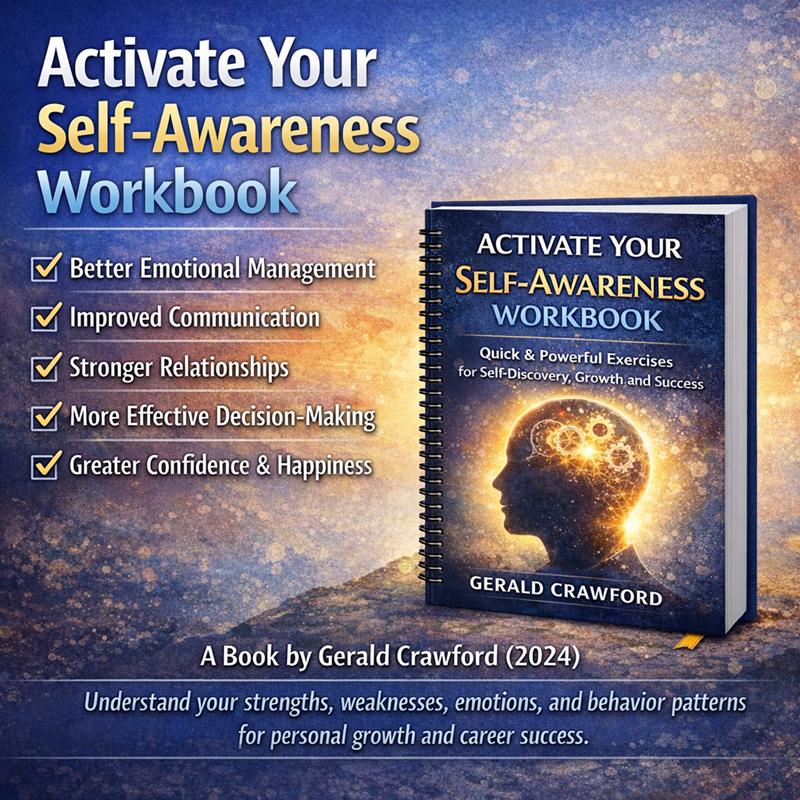
Activating self-awareness leads to better emotional management, improved communication, stronger relationships, more effective decision-making, increased confidence, greater personal happiness, and enhanced career success by helping you understand your strengths, weaknesses, emotions, and patterns of behavior.

Category: Activating Self-awareness (Page 1 of 15)

Being More True to Yourself – Be honest with yourself

Acknowledge your strengths, weaknesses, and emotions, and be kind to yourself as you navigate your imperfections.

Being honest with yourself is a fundamental aspect of being true to who you are. It’s about acknowledging your thoughts, feelings, and behaviors, and accepting yourself as you are, without judgment. Here are some ways to cultivate self-honesty and become more authentic:

Why is self-honesty important?

1. Increased self-awareness: Being honest with yourself helps you understand your strengths, weaknesses, values, and goals.

2. Improved relationships: When you’re honest with yourself, you’re more likely to be honest with others, leading to more authentic and meaningful relationships.

3. Personal growth: Self-honesty allows you to identify areas for improvement and make positive changes in your life.

4. Reduced stress and anxiety: Being truthful with yourself can help you release emotional burdens and feel more at peace.

How to be honest with yourself:

1. Practice self-reflection: Regularly take time to examine your thoughts, feelings, and behaviors.

2. Keep a journal: Writing down your thoughts and feelings can help you process and understand yourself better.

3. Ask yourself tough questions: Be willing to confront your fears, insecurities, and biases.

4. Seek feedback from others: Ask trusted friends, family, or a therapist for their honest perspective on your strengths and weaknesses.

5. Be kind to yourself: Treat yourself with compassion and understanding, just as you would a close friend.

Common areas where people struggle with self-honesty:

1. Emotions: Avoiding or denying difficult emotions, such as anger, sadness, or fear.

2. Motivations: Not acknowledging the underlying reasons for your actions or decisions.

3. Faults and weaknesses: Refusing to admit or work on personal flaws or areas for improvement.

4. Goals and aspirations: Not being truthful with yourself about what you want to achieve or what’s holding you back.

5. Relationships: Avoiding confrontation or difficult conversations with others.

Tips for overcoming self-deception:

1. Develop a growth mindset: Believe that you can learn, grow, and change.

2. Practice mindfulness: Stay present and focused on the current moment, without judgment.

3. Seek self-awareness: Continuously work on understanding yourself, including your strengths, weaknesses, and motivations.

4. Be patient and compassionate: Treat yourself with kindness and understanding, just as you would a close friend.

5. Celebrate small wins: Acknowledge and celebrate your progress, no matter how small.

Remember, being honest with yourself is a journey, and it’s okay to take it one step at a time. By cultivating self-honesty, you can develop a stronger sense of self, make more informed decisions, and live a more authentic, fulfilling life.

Chapter 2: Workbook Questions and Answers – Understanding Your Soul’s Purpose

Here are 10 workbook questions and answers for students about understanding your soul’s purpose:

Q1: What is the concept of a soul’s purpose, and why is it important to understand it?

A1: A soul’s purpose refers to the unique reason why you were born and the contribution you are meant to make to the world. Understanding your soul’s purpose is important because it can give you direction, meaning, and fulfillment in life, and help you make choices that align with your values and passions.

Q2: How can you discover your soul’s purpose, and what are some common signs that you are on the right path?

A2: You can discover your soul’s purpose by reflecting on your values, passions, and strengths, and by paying attention to your intuition and inner guidance. Common signs that you are on the right path include feeling a sense of excitement, joy, and fulfillment, and experiencing a sense of flow and alignment with your values and goals.

Q3: What is the role of intuition in understanding your soul’s purpose, and how can you develop your intuition?

A3: Intuition plays a crucial role in understanding your soul’s purpose because it allows you to tap into your inner wisdom and guidance. You can develop your intuition by practicing mindfulness, meditation, and self-reflection, and by trusting your instincts and gut feelings.

Q4: How can you align your daily life and activities with your soul’s purpose, and what are some common obstacles to watch out for?

A4: You can align your daily life and activities with your soul’s purpose by setting clear goals and priorities, and by making choices that support your values and passions. Common obstacles to watch out for include fear, self-doubt, and external pressures, which can distract you from your purpose and cause you to lose focus.

Q5: What is the importance of self-care and self-love in understanding and fulfilling your soul’s purpose?

A5: Self-care and self-love are essential in understanding and fulfilling your soul’s purpose because they allow you to nurture and support yourself, and to cultivate a positive and loving relationship with yourself. This can help you build confidence, develop resilience, and stay motivated and focused on your goals.

Q6: How can you overcome fear and self-doubt, and stay motivated and focused on your soul’s purpose?

A6: You can overcome fear and self-doubt by practicing self-compassion, reframing negative thoughts, and focusing on your strengths and abilities. Staying motivated and focused on your soul’s purpose requires setting clear goals, creating a supportive environment, and celebrating your successes and progress along the way.

Q7: What is the role of spiritual practices in understanding and fulfilling your soul’s purpose, and what are some common spiritual practices that can help?

A7: Spiritual practices such as meditation, prayer, and connection with nature can help you understand and fulfill your soul’s purpose by allowing you to tap into your inner wisdom and guidance. These practices can also help you cultivate a sense of compassion, forgiveness, and inner peace, which can support you on your journey.

Q8: How can you use your values and passions to guide your decisions and choices, and stay aligned with your soul’s purpose?

A8: You can use your values and passions to guide your decisions and choices by reflecting on what is most important to you, and what brings you a sense of joy and fulfillment. Staying aligned with your soul’s purpose requires regularly checking in with your values and passions, and making adjustments as needed to ensure that you are living a life that is true to who you are.

Q9: What is the importance of community and support in understanding and fulfilling your soul’s purpose, and how can you build a supportive community?

A9: Community and support are essential in understanding and fulfilling your soul’s purpose because they can provide you with encouragement, guidance, and accountability. You can build a supportive community by connecting with like-minded individuals, joining groups or organizations that align with your values and passions, and nurturing your relationships with family and friends.

Q10: How can you trust that you are on the right path and fulfilling your soul’s purpose, and what are some common signs that you are living a life that is true to who you are?

A10: You can trust that you are on the right path and fulfilling your soul’s purpose by paying attention to your intuition, listening to your inner guidance, and trusting your instincts. Common signs that you are living a life that is true to who you are include feeling a sense of joy, fulfillment, and alignment with your values and passions, and experiencing a sense of flow and ease in your daily life.

« Older posts
Back a Buddy Show your Support