
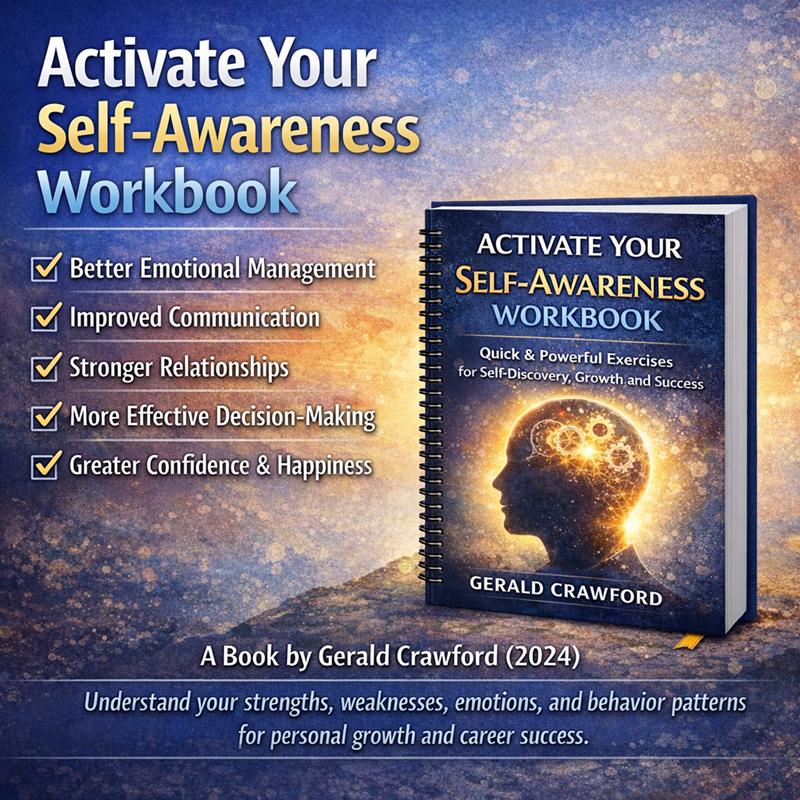
Here’s a clear, teachable 14-module guided learning journey you can use as a course, group programme, workshop series, or self-study path, aligned with the Self-awareness Teaching & Education (EFT) Model and the workbook Activate Your Self-awareness Workbook.
Each module follows the same learning rhythm:
Awareness → Emotional Insight → EFT Integration → Reflection → Application
14-MODULE GUIDED LEARNING JOURNEY
Self-awareness Teaching & Education Model (EFT Model)
Module 1 – Awakening Self-Awareness
Theme: Becoming conscious of self
Learning Focus
-
What self-awareness really is (not self-judgment)
-
Shifting from autopilot to conscious living
EFT Focus
-
Tapping on resistance to self-observation
-
Safety in looking inward
Key Outcomes
-
Learner recognises unconscious patterns
-
Establishes intention for the journey
Practice
-
“I am willing to notice myself” tapping round
-
Awareness journaling
Module 2 – Observing Thoughts Without Attachment
Theme: The mind as a pattern system
Learning Focus
-
Thoughts vs truth
-
Identifying repetitive mental loops
EFT Focus
-
Reducing emotional charge around thoughts
Key Outcomes
-
Less identification with negative thinking
-
Increased mental clarity
Practice
-
Thought-tracking worksheet
-
EFT for intrusive or limiting thoughts
Module 3 – Emotional Awareness & Regulation
Theme: Feeling without suppression
Learning Focus
-
Naming emotions accurately
-
Emotional literacy and regulation
EFT Focus
-
Tapping to safely feel emotions
-
Emotional acceptance
Key Outcomes
-
Reduced emotional overwhelm
-
Improved self-regulation
Practice
-
Emotion-body mapping
-
EFT for current emotional state
Module 4 – Understanding Emotional Triggers
Theme: Why reactions happen
Learning Focus
-
Triggers as teachers
-
Past experiences shaping present reactions
EFT Focus
-
Clearing emotional roots of triggers
Key Outcomes
-
Reduced reactivity
-
Increased emotional choice
Practice
-
Trigger reflection worksheet
-
EFT on a specific trigger
Module 5 – Self-Beliefs & Identity
Theme: Who am I really?
Learning Focus
-
Core beliefs and identity formation
-
False self vs authentic self
EFT Focus
-
Releasing limiting identity beliefs
Key Outcomes
-
Increased self-confidence
-
Greater authenticity
Practice
-
Belief identification exercise
-
EFT for “I am not enough” narratives
Module 6 – Self-Acceptance & Compassion
Theme: Ending the inner war
Learning Focus
-
Acceptance as healing
-
Compassion over self-criticism
EFT Focus
-
Tapping on self-judgment and shame
Key Outcomes
-
Improved self-relationship
-
Reduced inner resistance
Practice
-
Self-compassion statements
-
EFT for self-criticism
Module 7 – Behaviour & Habit Awareness
Theme: What I do automatically
Learning Focus
-
Habit loops (trigger → response → outcome)
-
Emotional drivers of behaviour
EFT Focus
-
Emotional roots of habits
Key Outcomes
-
Behavioural insight
-
Ability to interrupt unhealthy patterns
Practice
-
Habit awareness map
-
EFT for behaviour change
Module 8 – Relationships as Mirrors
Theme: Others reveal us
Learning Focus
-
Projection and reflection
-
Attachment patterns
EFT Focus
-
Emotional clearing around relationships
Key Outcomes
-
Improved communication
-
Reduced relational conflict
Practice
-
Relationship reflection exercise
-
EFT for relational pain or resentment
Module 9 – Boundaries & Personal Responsibility
Theme: Where I end and others begin
Learning Focus
-
Healthy boundaries
-
Responsibility vs blame
EFT Focus
-
Fear of saying no
-
Guilt and people-pleasing
Key Outcomes
-
Stronger boundaries
-
Increased self-respect
Practice
-
Boundary audit
-
EFT for guilt and fear of rejection
Module 10 – Forgiveness & Emotional Release
Theme: Letting go to move forward
Learning Focus
-
Forgiveness as self-liberation
-
Emotional completion
EFT Focus
-
Releasing stored emotional pain
Key Outcomes
-
Emotional lightness
-
Closure and peace
Practice
-
Forgiveness journaling
-
EFT for unresolved emotional wounds
Module 11 – Values, Meaning & Life Direction
Theme: Living aligned
Learning Focus
-
Clarifying values
-
Decision-making from awareness
EFT Focus
-
Clearing confusion and fear of choice
Key Outcomes
-
Directional clarity
-
Purpose-driven decisions
Practice
-
Values clarification exercise
-
EFT for uncertainty
Module 12 – Stress, Nervous System & Inner Safety
Theme: Regulating the body
Learning Focus
-
Nervous system awareness
-
Stress responses (fight/flight/freeze)
EFT Focus
-
Calming the nervous system
-
Restoring safety
Key Outcomes
-
Reduced anxiety
-
Increased resilience
Practice
-
Body awareness scan
-
EFT for stress and overwhelm
Module 13 – Integration into Daily Life
Theme: Living the work
Learning Focus
-
Turning awareness into lifestyle
-
Daily self-awareness practices
EFT Focus
-
Maintaining emotional balance
Key Outcomes
-
Sustainable growth
-
Consistent self-reflection
Practice
-
Daily awareness routine
-
EFT for consistency and motivation
Module 14 – Sustaining Growth & Conscious Living
Theme: The ongoing journey
Learning Focus
-
Self-awareness as a lifelong practice
-
Growth through curiosity
EFT Focus
-
Future-focused emotional alignment
Key Outcomes
-
Long-term emotional intelligence
-
Empowered self-leadership
Practice
-
Personal growth plan
-
EFT for future vision and confidence
HOW THIS JOURNEY WORKS EDUCATIONALLY
This 14-module journey supports:
- Personal development
- Group facilitation
- Therapy & coaching
- Corporate emotional intelligence training
- Spiritual & holistic education
It builds awareness first, then emotional insight, then behavioural change, and finally integration.




Recent Comments